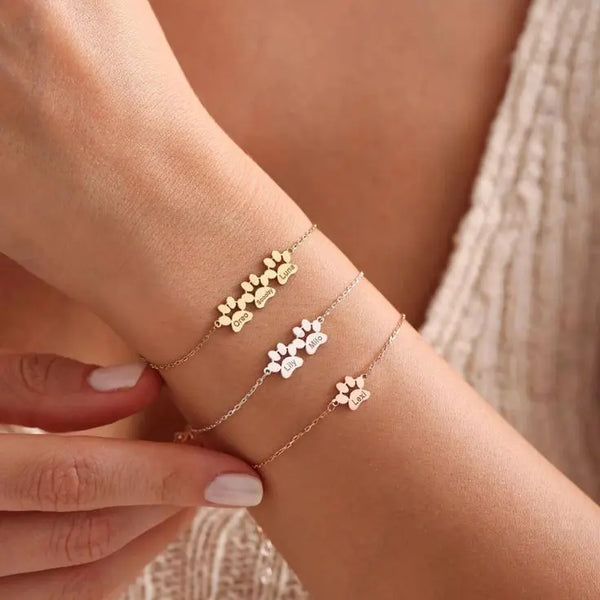
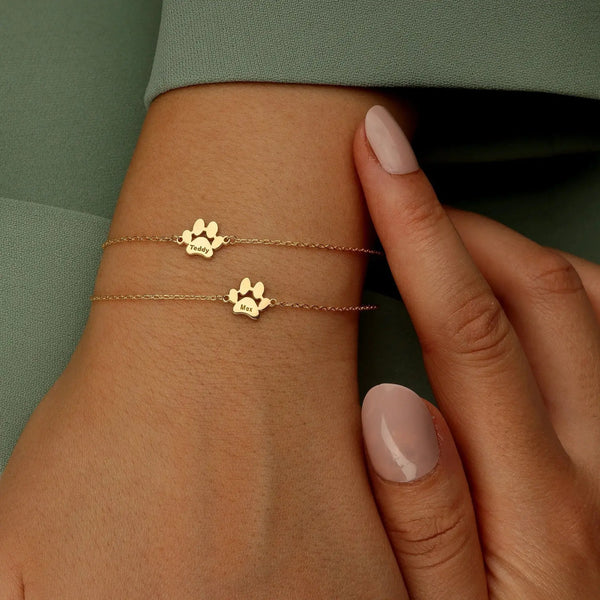
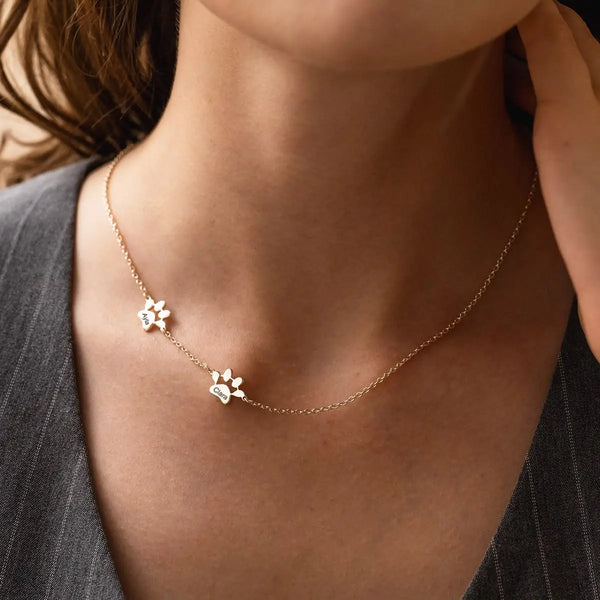
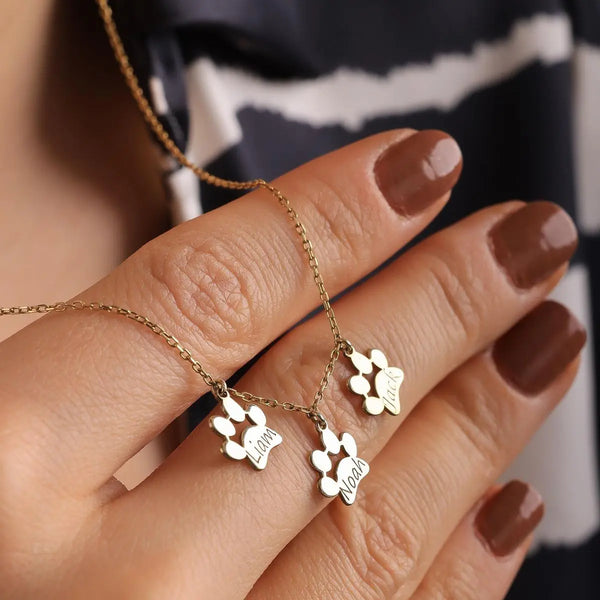
Real PVD vs Cheap Electroplating: How to Spot the Fake
TL;DR
Real PVD is dense, hard, and holds color for years. Cheap electroplating is a soft, thin gold flash that wears through in weeks. Five visible signals separate them: color evenness, edge finish, weight, wear-through pattern after use, and how the piece reacts to a gentle abrasion test on a hidden edge.
Why the difference matters more than the price tag
Jewelry finished with PVD (Physical Vapor Deposition) and jewelry finished with cheap gold electroplating can look almost identical on day one. On day 90 they look nothing alike. A well-made PVD gold piece still reads as gold. A cheap gold-flash piece has patchy exposure of the base metal at every friction point.
The problem is that retailers know PVD sells and often stretch the vocabulary. "Gold plated," "gold finish," "18K gold color" — these phrases can cover both PVD and thin electroplating. Buyers who want durability need to know which they are actually getting before the piece is on the wrist for a season.
Five checks that separate real PVD from cheap plating
1. Color evenness across curves and joints
PVD is applied in a vacuum chamber where vaporized metal deposits atom-by-atom on every surface facing the source. When done properly, PVD covers curves, undercuts, and clasp interiors evenly. The color is identical at the highest point of a bracelet's outer curve and inside the fold near the clasp.
Cheap electroplating is applied in a bath. Current density varies across the piece geometry, so plating deposits unevenly. The exterior top surfaces receive the most plating; interior curves and undercuts receive less. Under bright light, a well-done PVD piece looks color-continuous. A cheap-plated piece shows subtle color shifts around curves, undercuts, and joints.
2. Edge finish at joins and clasp mechanisms
PVD deposits on all exposed surfaces including the edges of moving parts. A PVD clasp looks the same on the top face and on the thin edge that clicks into place.
Cheap plating often skips or thin-coats these edges. Look at the edge of a clasp mechanism, the seam of a link, the inside of a jump ring. A visible line where the gold color transitions to a duller silver-white base metal is a sign of thin electroplating.
3. Weight relative to size
Not a definitive test, but useful for comparison. Real PVD is almost always applied over 316L stainless steel or another engineered base metal, and 316L is dense — 8.0 g/cm³. Cheap gold-flash jewelry is often built on brass, zinc alloy, or aluminum bases, which range from 2.7 to 8.7 g/cm³ but usually feel lighter for the same visual size.
Pick the piece up. A PVD-on-316L piece has a satisfying, dense feel. A hollow-feeling piece with the same visual size is more likely thin plating on cheap base metal.
4. Wear-through pattern after use
This is the most reliable test if you already own the piece. After 30-60 days of daily wear, inspect the friction points: the inside of a bracelet where it rubs against watch straps, the clasp mechanism, ring shanks, chain links that flex.
PVD shows even, gradual, minimal wear. Cheap plating shows patchy, high-contrast wear — spots where the base metal has clearly re-emerged. Once you see spot-wear on plated jewelry within two months, you have your answer.
5. Reaction to a hidden-edge abrasion test
On a piece you already own and don't mind risking, rub a hidden edge (inside a clasp, under a chain link) with a soft pencil eraser about 20 times. PVD is hard — around 2000-3000 HV on the Vickers scale — and will show almost no change. Cheap electroplating (around 100-200 HV) will visibly dull and often reveal the base metal at the abrasion site.
What the two processes actually look like in a factory
PVD in a vacuum chamber
Pieces are cleaned, degreased, and mounted on rotating fixtures inside a stainless steel vacuum chamber. The chamber is evacuated to near-vacuum, argon is introduced, and a solid target (titanium, chromium, gold, or an alloy) is heated or bombarded with ions until it vaporizes. The vaporized metal deposits onto the jewelry surface in a controlled thickness — typically 0.5 to 3 microns depending on the application. The whole cycle takes hours, requires expensive equipment, and produces a coating with strong atomic bonding to the substrate.
Electroplating in a bath
Pieces are dipped in a plating solution containing dissolved gold or gold-alloy compounds. Electric current drives gold ions to deposit on the piece surface. Cheap gold-flash finishes typically apply 0.05 to 0.5 microns of gold, sometimes over a nickel or copper intermediate layer. The whole cycle takes minutes and requires far cheaper equipment. The plating adheres well enough for shelf display but wears fast under friction.
Traditional gold vermeil sits between these two extremes: electroplated, but with a much thicker gold layer (2.5 microns minimum by legal definition in the US) and always over sterling silver. Our full PVD gold vs gold vermeil comparison explains where vermeil fits in this landscape.
What honest jewelry listings should tell you
| Term on listing | What it likely means | Trust level |
|---|---|---|
| "PVD gold coated 316L stainless" | Real PVD on a good base | High |
| "PVD gold, 2 micron thickness" | Real PVD, spec named | Very high |
| "Gold vermeil" (with sterling silver base) | Thick electroplated gold on sterling | High |
| "Gold plated stainless steel" | Could be PVD or thin electroplating | Medium — ask |
| "18K gold plated" | Refers to gold color, not solid gold; process unclear | Low without more info |
| "Gold finish" / "gold tone" | Usually thin electroplating | Low |
| "18K gold filled" | Bonded gold layer over base metal, not PVD, but often durable | Medium-high |
The pattern: brands that use real PVD say so, name the thickness, and specify the base metal. Brands that use cheap plating tend to lean on "gold" language without process details. The PVD coating chemistry guide covers what those specifications actually mean at the molecular level.
Why cheap plating still exists in the market
Cost. Real PVD can add several dollars per piece at manufacturing scale — real money for a $20 fashion bracelet, negligible for a $60 personalized piece. Fast-fashion brands lean on electroplating because the customer is not expected to wear the piece for years. Personalized jewelry brands built around "forever piece" positioning cannot afford that trade-off, because a customer who receives an engraved name necklace and sees the plating wear off in three months tells everyone.
The base metal also matters. Well-plated pieces on 316L steel or sterling silver tolerate coating wear-through gracefully — the metal underneath still looks reasonable. Cheap plating on brass or zinc looks awful once the coating breaks. This compounds the durability gap between price tiers.
What to do before you buy
Three habits catch most mistakes.
Ask the brand two questions: what is the base metal, and how is the finish applied. If they answer specifically (316L base, PVD gold at 1-2 microns) trust the piece. If they answer generically ("high quality gold plated stainless") the odds of real PVD drop meaningfully.
Read reviews with a specific search: filter for reviews at 3+ months of ownership. Fresh reviews say nothing about coating durability. Older reviews reveal it.
Look for warranty language. Brands confident in their PVD often warranty against plating wear for a year or more. Brands using cheap plating either have no warranty or one that specifically excludes plating loss.
The bottom line
PVD and electroplating solve the same visual problem — how to make a base metal look gold — with very different physics. PVD is expensive, hard, and lasts. Electroplating is cheap, soft, and doesn't. The gap in cost between the two, translated to retail, is smaller than the cost of replacing a piece that faded on you in a season.