Adoption Anniversary Gifts: Adoptive Parents vs the Child
TL;DR
Adoptive parents want a piece that acknowledges the plural of family: a two- or three-name engraved bracelet, or a locket with the Gotcha Day date. The adopted child wants a piece scaled to their age and identity: an initial pendant for young kids, a hidden-engraving heart for teens, and something they helped choose for adults.
The most common mistake with adoption anniversary gifting is treating the parents and the child as one interchangeable recipient. They're not. What lands for a mother marking her tenth Gotcha Day would feel odd on a twelve-year-old's wrist, and what a teenager actually wants to wear would look small on a parent's necklace.
This guide splits the two audiences cleanly, with piece recommendations, engraving notes, and age-adjustment tips for the child side.
What Adoptive Parents Actually Want
Parents on their child's Gotcha Day are usually experiencing a very specific emotion: quiet, private pride mixed with a low hum of protectiveness. The jewelry that fits this feeling has three qualities:
- It acknowledges plurality (the family is more than one person now)
- It carries the date without shouting it
- It can be worn to work, school pickup, and dinner without feeling like a costume
Piece recommendations
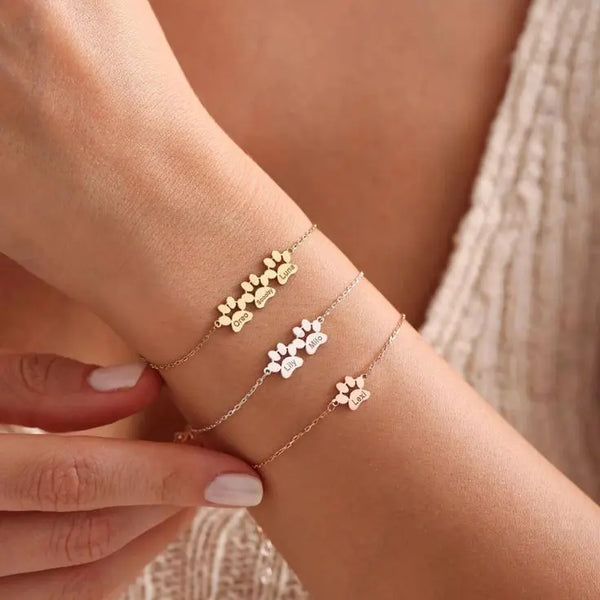
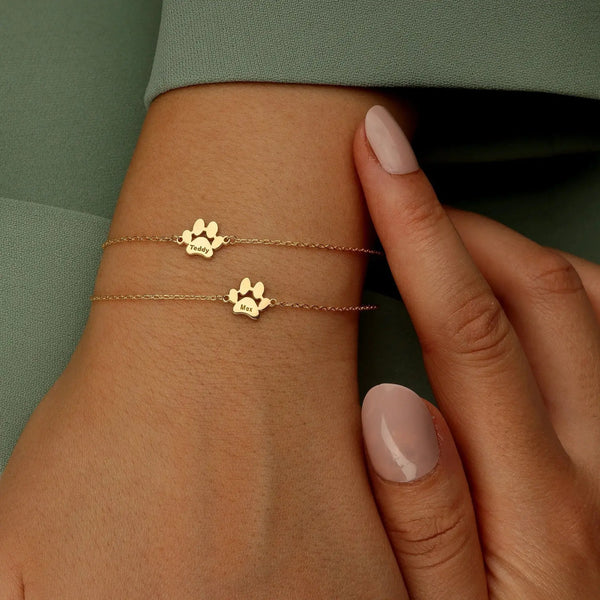
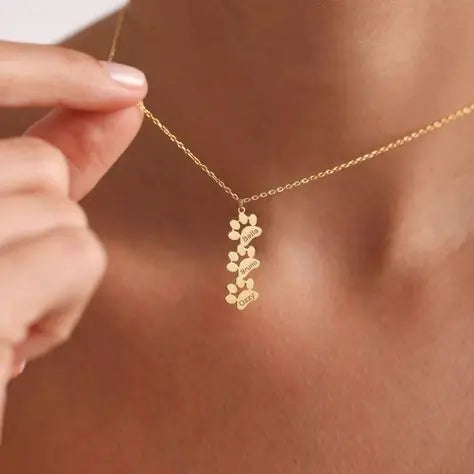
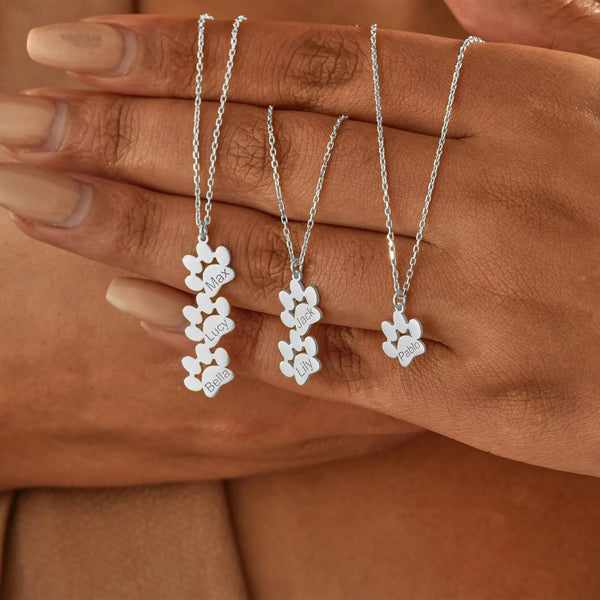
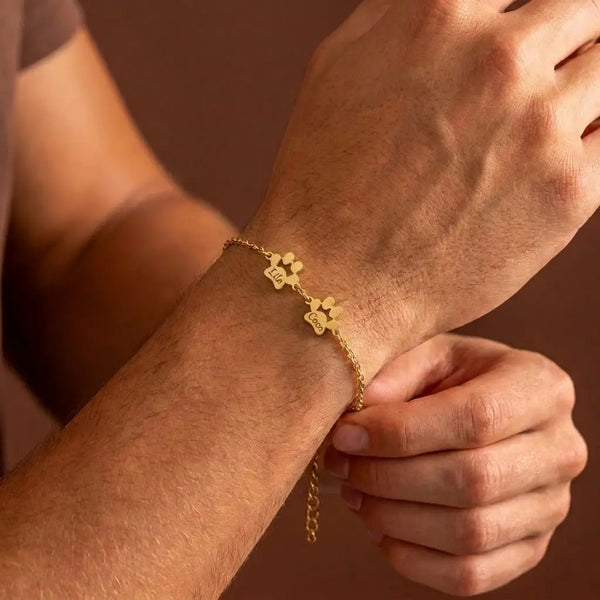
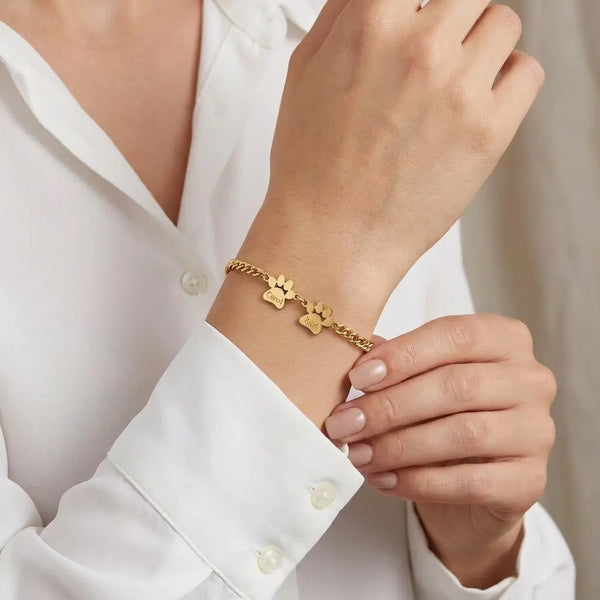
Engraved name bracelet, two or three names. Sits under a shirt cuff, reads as clean modern jewelry, but holds the whole household in one place. Common engraving pattern is child's name plus Gotcha Day date, with a parent adding their own name or a sibling's on the reverse.
Photo locket with a first-day-home photo. The classic for a reason. Parents on hard days reach for pieces that carry an image, and no image carries more weight than the one taken the day the family became whole.
Birthstone pendant keyed to the Gotcha Day month. Sweet for parents who already wear their children's birthstones and want to add the anniversary month as its own stone. Layers well with existing pieces without competing.
What the Adopted Child Wants (by Age Band)
The child side is where age becomes the whole conversation. A six-year-old, a fourteen-year-old, and a twenty-eight-year-old adoptee are three completely different gift recipients even though the anniversary is technically the same.
Ages 3 to 8
At this age the piece needs to survive playgrounds, bathwater, and being taken off and misplaced. It also needs to be simple enough that the child can identify with it (this is mine, this has my name) without needing complex explanation.
Best picks: A small initial pendant on a shorter chain, or a soft cord bracelet with a single engraved bead. Sterling silver is the safest metal; skip plated pieces at this age because the wear-through happens fast.
Engraving: One letter, one small symbol, or the child's first name. Keep it obvious.
Ages 9 to 13
This is the age where identity questions start showing up in serious ways. Peers ask about family, teachers ask about backgrounds in class projects, and the child begins deciding what they do and don't want to share.
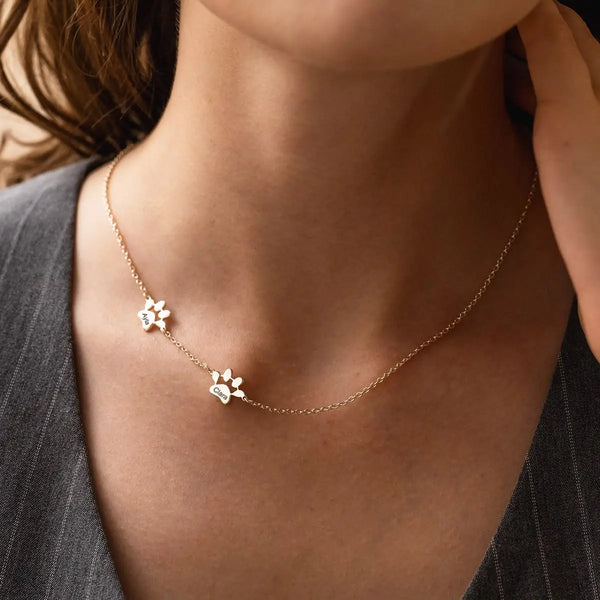
Best picks: A small heart pendant with an engraving on the reverse, or a delicate name necklace with the child's chosen name on the front and a hidden date on the back.
Engraving: Chosen name on the visible side. Anything more personal (date, coordinates, family phrase) goes on the reverse or interior.
Ages 14 to 18
Teenagers have taste and opinions. Buying without their input at this age often ends with the piece in a drawer. The best approach is to involve them in the design decision, even if the specific engraving stays a surprise.
Best picks: A hidden-engraving heart pendant, a signet-style pendant with an interior inscription, or a photo locket with a discreet exterior that only opens when the wearer wants it to.
Engraving: Interior only. Coordinates, dates, or a two-word family phrase. Nothing on the outside that a curious classmate can read from across a lunch table.
Adult Adoptees (18+)
Adult adoptees have full authorship of their own story. The gift here works best when it's collaborative: pick the style together, agree on the engraving together, and let the surprise be the fact that you made it happen for the specific anniversary.
Best picks: Classic silhouettes. A thin bar necklace, a signet ring, a solid heart pendant. Materials matter here; adult recipients notice the difference between sterling silver and plated brass immediately.
Matching Sets: When and How
Matching sets between parent and child work beautifully at milestone years (1st, 5th, 10th) and can feel forced in between. If you're building a set, follow two rules:
- Scale differently. The parent piece and child piece don't need to be the same size. A pendant on the parent might match a smaller charm on the child's bracelet.
- Share one element. A shared date, a shared symbol, a shared birthstone. That single shared element does more emotional work than making the whole pieces identical.
Special Case: Multi-Child Families
When multiple children joined the family through adoption, single-Gotcha-Day gifting gets emotionally tricky. Two workable approaches:
- Combined family anniversary. Pick one date and celebrate the whole family on that day.
- Individual quiet acknowledgment. Each child's Gotcha Day is marked privately with just that child and the parents.
Materials and Longevity
Both parent and child pieces are going to be worn for decades if the family loves them.
- Sterling silver: Best all-around choice. Holds engraving cleanly, patinas gracefully, easy to re-polish.
- 14k gold-fill: Warmer tone than silver, more durable than plated, holds up to daily wear.
- Solid gold (10k, 14k, 18k): Best for milestone pieces (5th, 10th, 15th anniversaries). Expensive, but truly heirloom.
- Plated pieces: Avoid for anything the recipient will wear daily. The plating wears through in one to three years.
Final Thought
The right adoption anniversary gift for a parent is not a smaller version of the right gift for the child, and vice versa. Split the two audiences early, pick two pieces (or one piece for whichever recipient is the actual focus this year), and let the shared date do the linking work quietly.