Keeping Grandma's Memory Alive: Simple Rituals
TL;DR
Keeping grandma's memory alive isn't about big memorials. It's about the small ordinary things that carry her presence forward — cooking her recipes, telling her stories to your kids, wearing something of hers, and letting her keep showing up in your everyday life for as long as you're alive.
Some grandmothers occupy a permanent room in your inner life. Yours might have taught you to make bread, or been the person who wrote to you every week at college, or the one whose lap was the safest place in the world when you were small. When she died, whether last month or five years ago, you may find yourself wanting a way to keep her present without it turning into performative grief.
This guide is about the small, ordinary practices that carry a grandmother's memory forward. Not memorials. Not shrines. Just the way she keeps living inside your life if you let her.
Why Keeping Her Present Matters
Grief culture tends to focus on the acute period after a death: the funeral, the first year, the anniversaries. What gets less attention is what happens for the rest of your life. Grandmothers, especially close ones, often become people you're in relationship with forever, whether or not the world sees it.
Small rituals give that relationship a place to live. They keep her from becoming a photo on a shelf that you look at less each year. They let you introduce her to grandchildren she never met. They keep her voice in your head loud enough that you can still hear her call you by the specific version of your name only she used.
The Cooking Rituals
Recipes are one of the most reliable ways grandmothers stay alive in families. Her hands are in your hands when you make her food.
Cook Her Signature Dish on Her Birthday
Not a big event. Just make it for whoever's around. Tell whoever eats it what it was and why. "This is my grandma's recipe. She'd have been 87 today." That single sentence, repeated over years, keeps her present.
Teach Someone Else How to Make It
The recipe doesn't survive if you're the only one who knows it. Teach a niece, a child, a friend. Let them fumble the first time the way you fumbled. Show them how to eyeball the flour the way she did.
Write It Down Properly
Many family recipes exist only in someone's head. Write yours down while your memory is fresh. Include the intangibles: "cook until it smells done," "you know it's ready when the spoon stands up," "add a little of this even though it seems weird." Those details are her actual voice.
The Object Rituals
Some of what she left behind carries her presence in ways nothing else can.
Keep Something of Hers in Daily Use
Not on a shelf. In use. Her wooden spoon in your kitchen drawer. Her mixing bowl on your counter. Her afghan on the back of your couch. Her measuring cups you use every time you bake. These small daily encounters keep her present without effort.
Wear Something of Hers Regularly
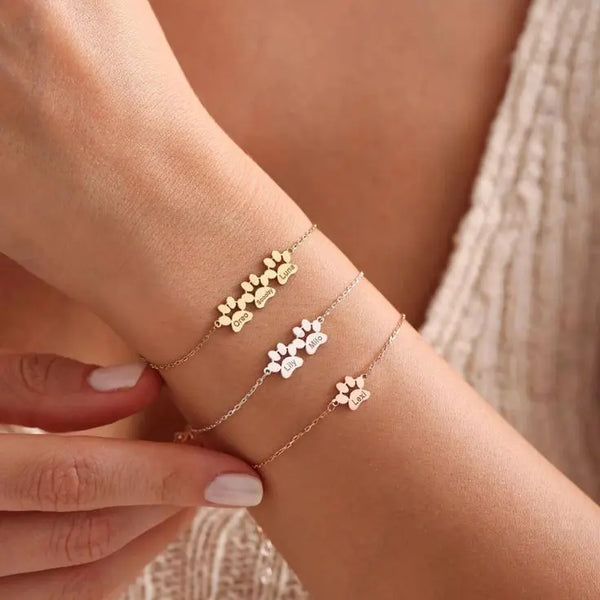
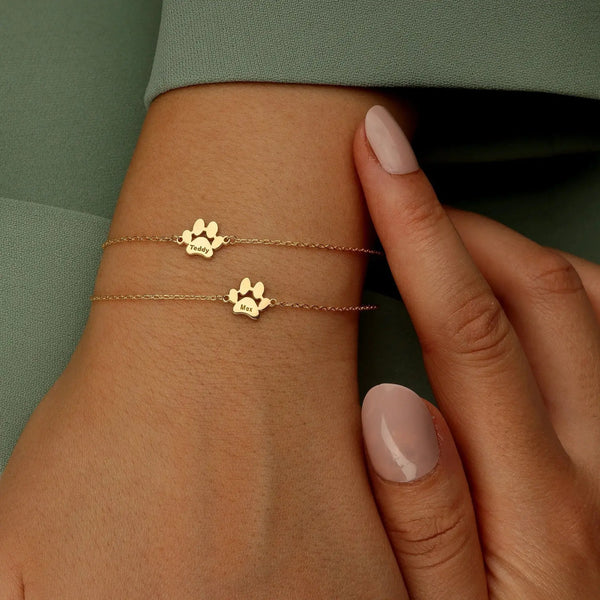
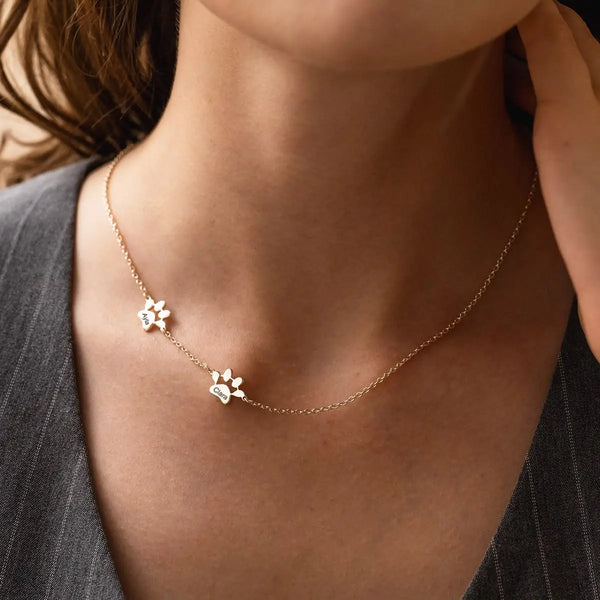
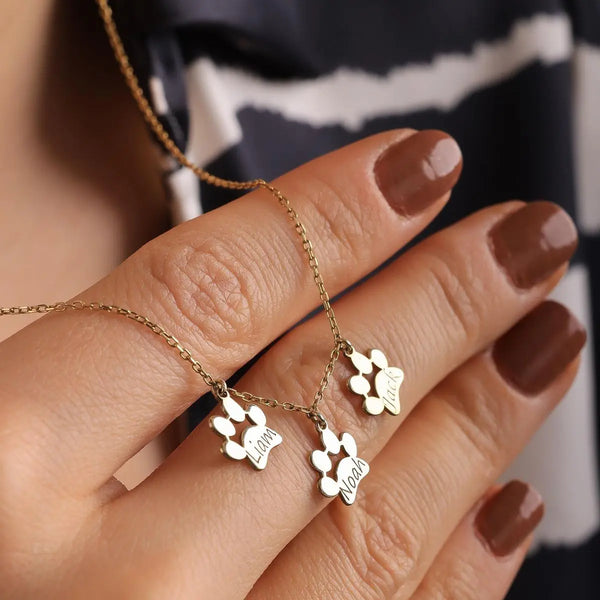
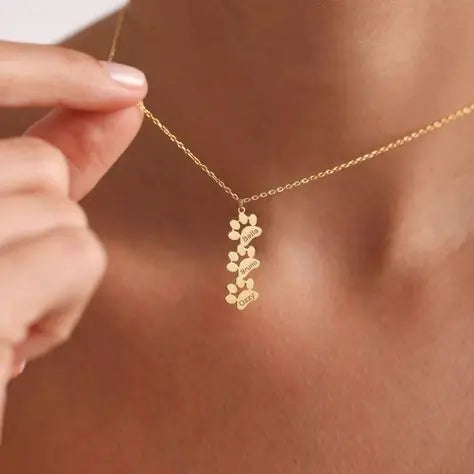
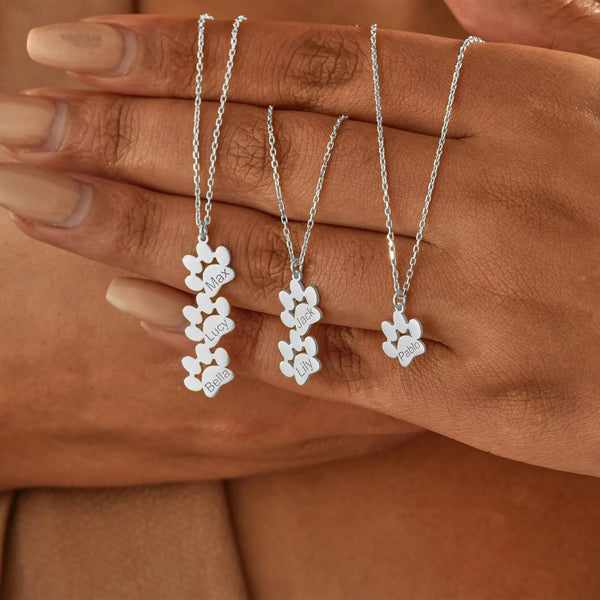
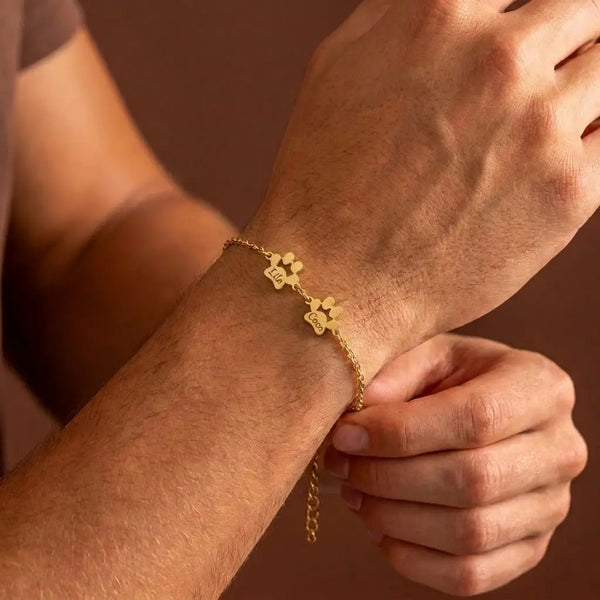
A scarf. A watch. A cardigan. Her ring on a chain. Wearing her isn't morbid. It's an intimate way of carrying her into your ordinary day. Some granddaughters wear a small piece of jewelry that connects specifically to her — a bracelet engraved with her name or handwriting, a bar necklace with her birth and death years, a pendant with her initial. Something small enough for daily wear, meaningful enough to feel her when you notice it. Our overview of grandparent memorial jewelry covers subtle options.
Display One Photo Well, Not Twenty
One really good photo in a frame you love, in a place you actually look every day, is worth more than twenty photos scattered around. Look for a candid photo where she's mid-laugh or mid-story. Not a formal portrait. Something that captures who she actually was.
The Storytelling Rituals
Tell Her Stories to Your Kids
Your children (or nieces, nephews, godchildren) will only know her through the stories you tell. If you never tell them, she disappears from the next generation. If you tell them regularly, she becomes a character in their inner world too.
Small ways this happens:
- "Your great-grandma used to always say..."
- "This song was her favorite. Let me play it."
- "She'd have loved this. She was crazy about tomatoes."
- "You know how you're stubborn about your peas? Grandma was the same way about corn."
These aren't lessons. They're the way she keeps being a real person to a child who never met her.
Record Yourself Telling Her Stories
If you have small children, record short voice memos of yourself telling stories about your grandma. Ten minutes here and there. These become priceless later — a bridge from a grandmother the child never met to the child, told through your voice.
Reach Out to People Who Knew Her
Her siblings, her old friends, her neighbors. Ask them what she was like at a specific age you never got to know her at. Ask what she was like as a teenager, a young mother, a workmate. You'll learn things about her you never suspected.
The Calendar Rituals
Mark Her Birthday, Small
You don't have to plan a formal remembrance. Some grandchildren just call their mom on grandma's birthday. "Just thinking about her today." Others make her favorite dessert. Others light a candle in the kitchen. Whatever fits.
Mark Her Anniversary, Even Smaller
Some people mark the death anniversary, some don't. If you do, keep it modest. A quiet dinner. A walk. A visit to a place she loved.
Include Her at Big Family Moments
At your wedding, at your child's baptism, at a family reunion. "She'd have loved this." A photo of her on a small table. A dish she used to make. A song of hers in the playlist. She stays part of the family celebrations without dominating them.
The Place Rituals
Visit Somewhere That Was Hers
Her old house, if you can. The town she was born in. The garden she loved. The bakery she went to every week. These pilgrimages don't have to be dramatic. Sometimes just driving past the old house on a random Saturday and remembering something specific is enough.
Plant Something She'd Have Loved
A rosebush. A tree. Basil in a pot on your windowsill because she always had it. Living things that grow because of her keep her presence forward-moving instead of only backward-looking.
The Words Rituals
Keep Her Sayings Alive
Every grandmother has phrases. "Nobody's dying, so we're fine." "You can eat, sleep, or worry — pick one." "Bake it another five minutes than you think." Use hers. Say them the way she said them. Teach them to the next generation as her lines.
Write to Her Sometimes
Some grandchildren keep a small notebook that's their ongoing letter to her. Not every week. Just when they have something to say. Whatever you'd have called to tell her, write down instead. Over years this becomes an extraordinary artifact.
Keeping her memory alive isn't a project. It's a small daily practice of letting her keep being part of your ordinary life for as long as you're alive.
What Not to Do
Don't Turn Her Into a Saint
Real grandmothers had complicated lives, contradictions, and edges. Sanitizing her memory eventually flattens her into a photo. Let her stay a real person — funny, difficult in specific ways, full of preferences you may have disagreed with. That's who she was, and that's who's worth remembering.
Don't Compete With Other Family Members
Different family members have different relationships with a grandmother. Some cousins may feel her loss less sharply, some more. Don't measure grief against theirs.
Don't Feel Pressure to Do It "Right"
There's no correct way to honor a grandmother's memory. The mother who thinks about her once a week and the granddaughter who has a full ritual on her birthday are both grieving legitimately.
If She Died When You Were Young
Grandchildren who lose a grandparent early sometimes struggle later because they don't have as many memories to keep alive. Some ways to build a fuller inner picture of her:
- Ask your parents and older relatives specific questions about her.
- Look at old photos with someone who can identify people and tell you the stories.
- Read her letters if any survived. Her handwriting is her voice.
- Watch home videos if any exist.
Your relationship with her can keep developing even after her death. New details emerge. New context arrives. She keeps becoming a fuller person to you over the years.
If Your Grief for Her Compounds
Some people lose multiple grandparents in a short window, or lose a grandparent alongside a parent, sibling, or spouse. Layered grief has its own weight. Resources on sibling loss and spouse loss may help you name the multiple griefs you're carrying, especially if grandparent loss is one of several in a season.
The Long, Quiet Presence
Grandmothers who mattered stay with us for the rest of our lives. Not as ghosts. As presences. You'll hear her voice at 40 telling you to eat something. At 60 you'll catch yourself using her exact tone with your own grandchildren. At 80 you may still be missing her, still cooking her recipe, still saying her lines.
That's not unresolved grief. That's what deep love looks like across a lifetime. The rituals in this guide are just small ways of noticing what's already happening: she is still with you, and she'll go with you the whole way.
Related reading
Frequently Asked Questions
Is it healthy to keep talking about my grandma years after she died?
Yes. Continuing bonds with deceased loved ones are considered a healthy and normal part of grief by most modern grief researchers. She can stay part of your ongoing life indefinitely.
Should I mark her death anniversary every year forever?
Only if it feels right. Some people mark it faithfully for decades. Others let the specific date fade while keeping her present in other ways. Both are fine.
How do I introduce her to grandchildren she never met?
Through stories, photos, food, and objects. Tell them small specific things about her often, not one big lecture. Show them one good photo. Let them handle something of hers. Over time she becomes a real character in their inner world.
What if my grandma and I had a complicated relationship?
You can still keep her memory alive in an honest way. Grief for complicated relationships is often more layered, and rituals can hold both the love and the difficulty. You don't have to sanitize her to honor her.
Is jewelry with her name or handwriting a good way to remember her?
For some people, yes. A small piece worn daily can become a quiet anchor that keeps her present without being performative. Others prefer keeping her memory alive in less tangible ways. Trust what feels right to you.
What if I feel guilty for not remembering her every day?
Don't. Life gets busy, grief settles, and forgetting for a while is a normal part of moving through the world. She's still part of you even on the days you don't consciously think of her.