Personalized Memorial Jewelry: Direct vs Marketplace
TL;DR
Direct-from-brand memorial jewelry offers consistent material quality, predictable lead times, and clear warranty recourse. Marketplace sellers offer wider variety, potential for genuine artisan work, but more variance in quality and support. For time-sensitive memorial dates and consistent long-wear durability, direct is usually the safer choice. For unique custom design work, a well-vetted marketplace seller can be irreplaceable.
Why the sourcing model matters more for memorial pieces
Memorial jewelry is not the same as decorative jewelry. It carries emotional weight, is often gifted, and often needs to arrive by a specific date. Failure modes hurt more. A late-shipped birthday necklace is disappointing; a late-shipped memorial pendant for a first-anniversary or ceremony is devastating.
That elevated emotional stakes changes what buyers should prioritize when choosing between a direct-from-brand purchase and a marketplace purchase.
The three models buyers actually choose between
Direct from brand
Purchasing directly from a brand's own website. The brand owns the product line, materials, production process, customer service, and warranty. Examples: ByHeart, Onecklace, MyNameNecklace.
Marketplace (Etsy, Amazon Handmade, similar)
Purchasing from an individual seller through a marketplace platform. The platform handles payment, buyer protection, and dispute mediation. The seller controls materials, production, and shipping. Quality and consistency vary by seller.
Aggregator / drop-ship
Purchasing from a site that appears to be a brand but drops-ships from third-party suppliers. Common for low-price memorial pendants sold via social media ads. Very high risk category: unpredictable materials, opaque supply chain, thin support.
Where direct-from-brand does the heavy lifting for memorial purchases
Consistent material specification
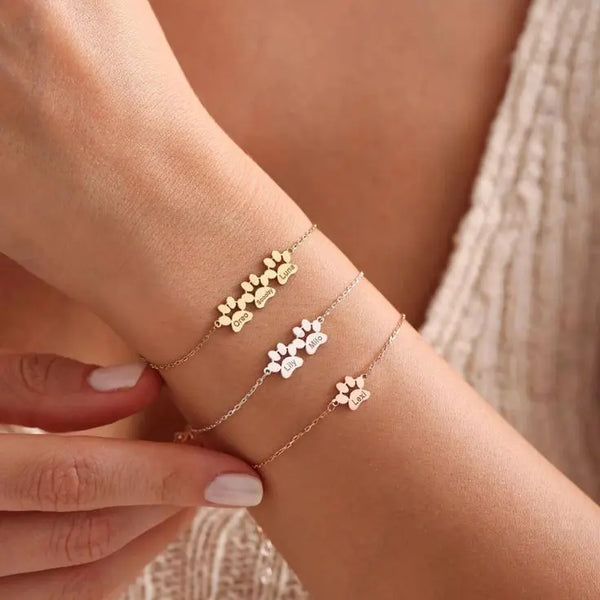
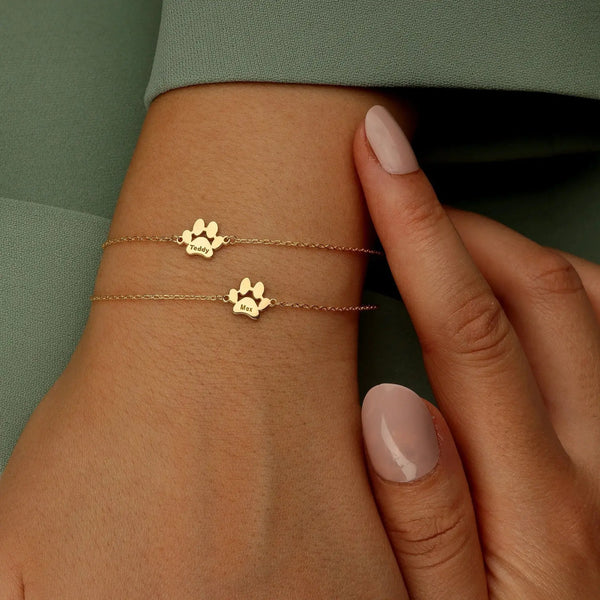
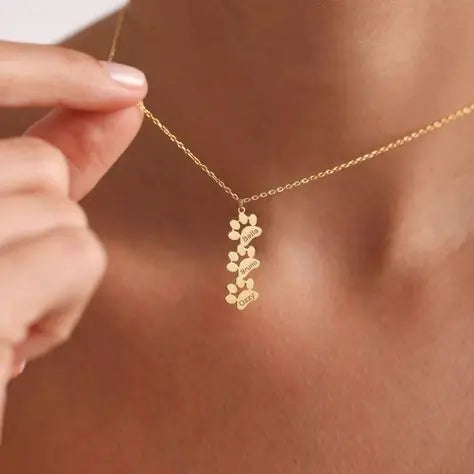
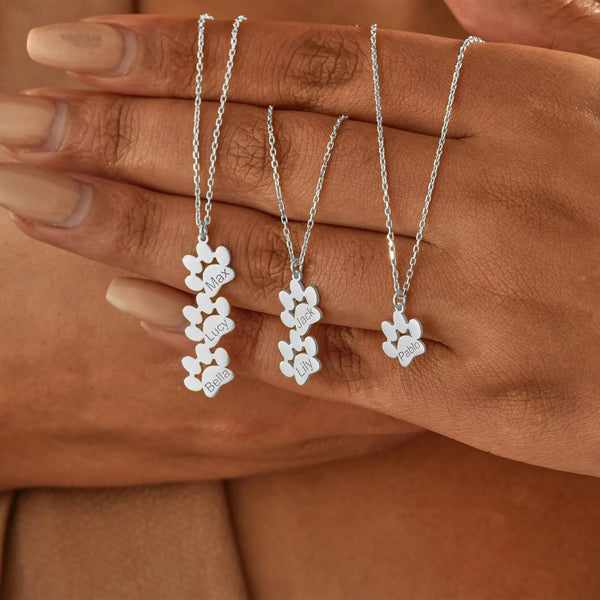
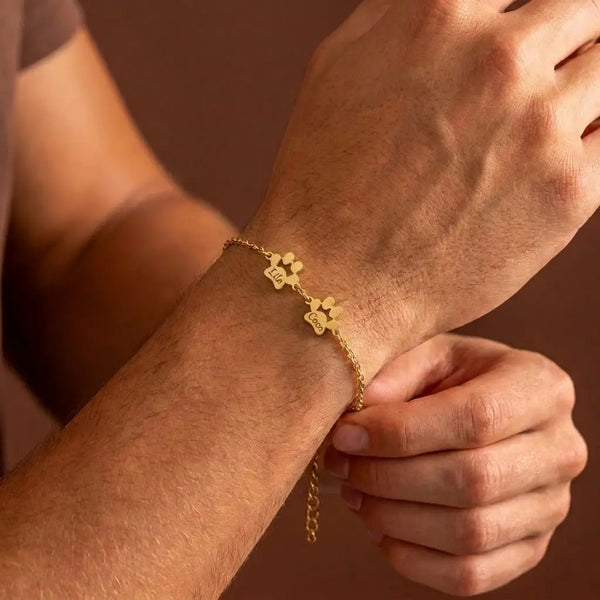
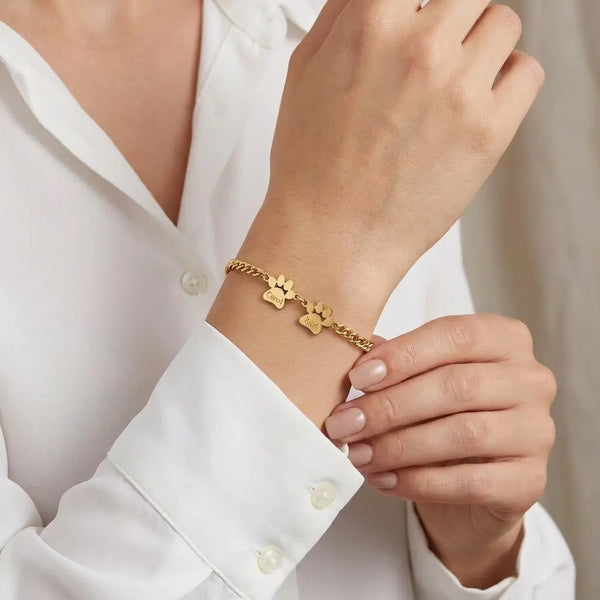
Direct brands commit to a specific material and process across their entire product line. A ByHeart paw print bracelet uses 316L stainless steel with PVD coating and deep laser engraving — every unit, every order. That consistency means the piece you receive is the piece that has been reviewed thousands of times and warrantied against defect. See the 316L vs 304 stainless steel guide for why the specific alloy matters.
Predictable turnaround
Direct brands publish lead times based on actual production capacity. If they say 5-7 business days, that number reflects reality across their operation, not one artisan's best-case scenario. For memorial pieces needed by a specific date, that predictability is often the deciding factor.
Warranty and recourse via a single contact
When something goes wrong — coating wears prematurely, clasp fails, engraving is illegible — you contact one customer service team, not a marketplace mediator plus a seller. Resolution is typically faster and more consistent.
EU/US logistics
Direct brands increasingly maintain regional fulfillment. That reduces customs delays, unpredictable duties, and the return-shipping economics that make marketplace international purchases risky.
Where a well-vetted marketplace seller wins
Unique design flexibility
A skilled Etsy metalsmith can accept an unusual paw print, work with heirloom materials the buyer supplies, or accommodate specific design requests that don't fit a curated brand's product line. Real one-of-one memorial pieces almost always come from artisan makers, not brands.
Traditional craftsmanship
Hand-forging, hand-engraving, traditional silversmithing techniques exist on marketplaces at price points that would be uneconomical for a brand to offer. Buyers who value the process of the piece being made by one person's hands find that only on the marketplace side. Our hand vs laser engraving guide covers the trade-offs between the two production methods.
Supporting individual artisans
For buyers whose values include supporting independent makers directly, marketplaces route more of the purchase price to the maker than a brand's own e-commerce operation typically does.
Where drop-ship aggregators fail memorial buyers
The most heartbreaking memorial jewelry stories tend to come from aggregator purchases. Buyers see an ad, order a beautiful-looking pendant for $30, and receive a piece that arrives late, in different materials than pictured, with generic engraving that doesn't match their submitted design. Recourse is minimal because the seller is often overseas and behind a marketing front.
Signals of an aggregator:
- Extremely low prices (memorial pendants under $20 with photo projection, ornate designs under $30 in premium metals).
- Ads that seem to be from a brand but link to a store with no clear physical address or brand history.
- Vague material descriptions and stock photography.
- Reviews that read as templated or that don't appear at all.
- Shipping times of 15-45 days with no explanation.
Avoid these for anything meaningful. The price signal is real: producing quality memorial jewelry at scale costs money.
How to decide for your specific memorial purchase
Three questions clarify the choice.
What is the design specificity?
A standard paw print with a name, or a photo inside a locket, or an engraved date: any of the three models can execute this. A specific artisan aesthetic, an unusual paw shape, or a design nobody else offers: marketplace-only.
How critical is the delivery date?
Time-sensitive (funeral date, first anniversary of a loss, birthday): direct brands offer better predictability. Flexible timing: marketplace acceptable.
What is the budget tolerance?
Standard budget ($60-200 range): direct brands are competitive. Higher budget with a specific artisan in mind: marketplace can deliver exceptional work. Lower budget ($30 or less): reconsider expectations, or explore local options rather than aggregators.
How to vet across models
Common vetting questions that apply to any purchase.
- What is the base metal, specifically?
- Is the coating PVD or electroplated? (See PVD coating chemistry and durability.)
- What is the engraving depth, or is it surface marking?
- What is the current lead time in production, plus shipping?
- What is the return and warranty policy in writing?
A brand or seller that answers all five specifically is worth trusting. A brand or seller that answers vaguely deserves further diligence.
The bottom line
Memorial jewelry sourcing is a match between what you value most and how each model delivers. Direct-from-brand purchases prioritize consistency, predictability, and clear recourse — the qualities most memorial buyers benefit from. Marketplace purchases prioritize variety, craft, and the possibility of unique work — valuable when the buyer's needs match the marketplace's strengths. Aggregator drop-ship prioritizes low prices — a match for almost no memorial purchase.