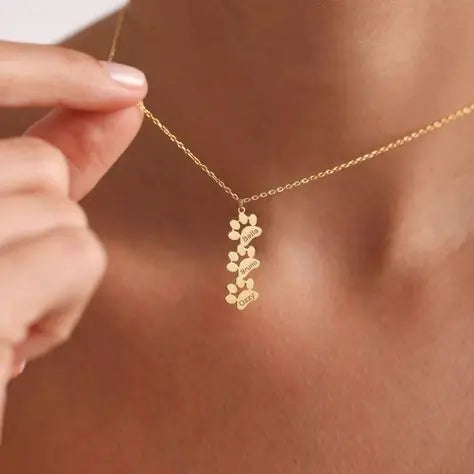
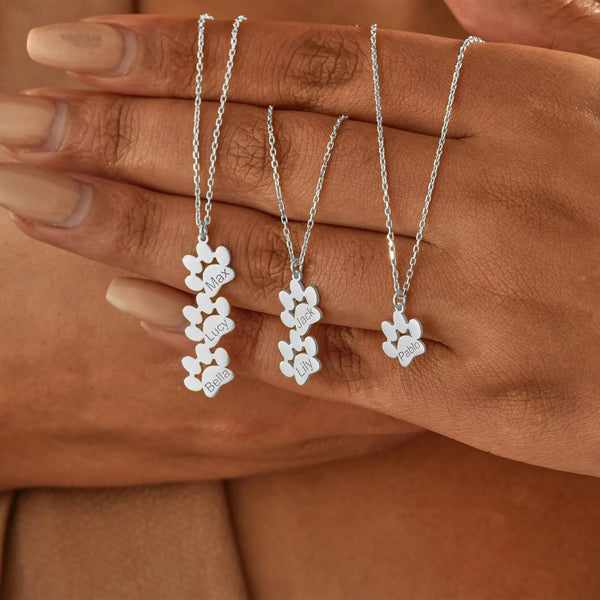
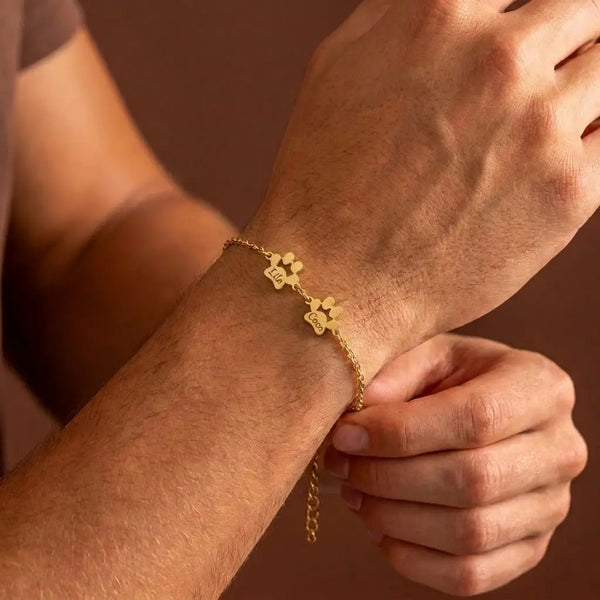
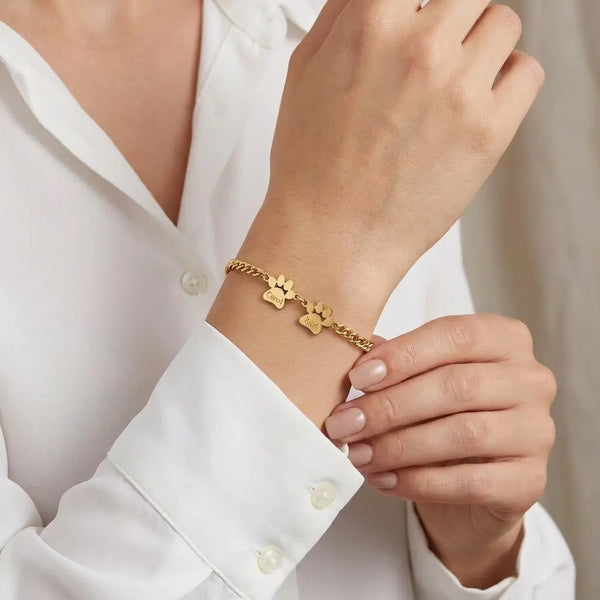
316L Stainless Steel vs Sterling Silver: Cost & Durability
TL;DR
Sterling silver is softer, tarnishes, and costs roughly 5-10x more per gram than 316L stainless. 316L holds shape better, resists tarnish almost completely, and works better for everyday wear pieces. Sterling still wins where you want warmer color, easier resizing, and traditional heirloom feel.
Two metals, two very different physics
316L stainless steel and sterling silver look similar at arm's length. A polished 316L bracelet and a polished sterling bracelet can be visually hard to distinguish under normal lighting. What separates them shows up over months of wear: how they tarnish, how they scratch, how they respond to skin chemistry, and how they price at the checkout.
Neither metal is universally better. Each solves a different problem. This is a straight comparison for buyers deciding which suits their actual use case.
What each metal actually is
316L stainless steel
An iron-based alloy: roughly 62-68% iron, 16-18% chromium, 10-14% nickel, 2-3% molybdenum, with trace carbon. The chromium forms an invisible chromium oxide film across the surface that prevents rust. The molybdenum specifically protects against chloride pitting from sweat, chlorine, and salt water. See the deeper breakdown in the 316L vs 304 stainless steel for jewelry guide.
Sterling silver (925)
92.5% pure silver plus 7.5% copper. Pure silver is too soft to hold jewelry shape, so it is alloyed with copper for structural integrity. The copper is what makes sterling tarnish — copper reacts with sulfur in the air to form dark silver sulfide on the surface.
Price comparison — per gram and per finished piece
Raw material costs vary week to week, but the gap is consistent enough to make a decision on.
| Metric | 316L stainless | Sterling silver |
|---|---|---|
| Raw material cost (approx. per gram) | $0.01 - $0.05 | $0.80 - $1.00 |
| Typical retail bracelet, 20g piece | $25 - $80 | $80 - $250 |
| Typical retail necklace, 5g piece | $20 - $60 | $45 - $150 |
| Resale / scrap value | Minimal | Recoverable at spot price |
Sterling costs meaningfully more because the raw material costs more. That gap is amplified at retail because sterling generally sits in a different product category — often with higher labor, more complex smithing, and more premium branding.
Durability head-to-head
Tarnish
316L does not tarnish under normal wear. The chromium oxide film prevents oxidation of the surface metal. In extreme conditions (long chloride exposure) it can develop pitting, but not the uniform darkening people associate with silver tarnish.
Sterling tarnishes predictably. Sulfur in the air, in rubber bands, in eggs, in certain foods, in some cosmetics, all accelerate it. A sterling piece worn daily in a low-sulfur environment might tarnish visibly in months. In a high-sulfur environment it can darken in weeks. Tarnish polishes off with a silver cloth, but the polishing process removes a microscopic layer of metal each time, which matters over decades.
Scratches and shape retention
316L has a Mohs hardness around 5.5-6.5 and a much higher yield strength than sterling. A 316L bracelet holds its shape under everyday knocks and does not warp on the wrist. Scratches happen but are shallow.
Sterling has a Mohs hardness around 2.5-3. It scratches more easily and bends more easily. Rings can go out of round. Chain links can stretch or open. This is the price you pay for a metal soft enough to be worked traditionally by hand.
Reaction with skin
Sterling occasionally causes green marks on skin. That is not tarnish on the silver, it is copper in the alloy reacting with sweat to form copper compounds that transfer to the skin. It is harmless and rinses off. People with heavily acidic sweat see it more.
316L does not leave marks on skin. The passive layer stops direct contact between the alloy and sweat. People with confirmed nickel allergy are the exception — the 10-14% nickel in 316L can, rarely, trigger a reaction, though the free nickel released is low.
Which metal wears better where
Everyday wear pieces
316L for anything you plan to keep on constantly — daily bracelets, everyday necklaces, gym-and-shower pieces. It handles the abuse. Sterling in the same use case requires more upkeep and will show its age faster.
Heirloom and ceremonial pieces
Sterling for pieces meant to be worn occasionally, polished before use, and passed down. The warmer color, easier customization, and cultural weight of sterling suit that role. Traditional engraving houses work sterling more easily than steel.
Personalized pieces
Both take personalization well. Sterling engraves more easily by hand because the metal is softer, and hand-engraved sterling develops a patina that many buyers actually want. 316L engraves cleanly with laser and holds the mark against wear better because the surrounding metal doesn't deform. Our full hand vs laser engraving guide covers which method suits which metal.
Waterproof requirements
316L handles water — shower, pool, ocean — with pat-dry care. Sterling tolerates water but chloride from pools and salt water accelerates tarnish and can pit the surface. Sterling worn in salt water needs to be rinsed and dried immediately after.
Color and light — the aesthetic difference
Sterling silver has a slightly warmer, softer tone than 316L stainless. 316L polishes to a cooler, slightly gray-blue mirror. Under bright daylight the difference is subtle. Under warm indoor light sterling looks more like traditional silverware and 316L looks more contemporary.
This matters for buyers matching jewelry to other pieces they already own. Sterling pairs visually with vintage or heirloom collections. 316L pairs visually with modern watch cases and titanium-look pieces.
Coated versions of each
Both metals accept gold plating. The comparison shifts here: PVD-plated 316L holds a gold color far longer than gold-plated sterling of the same tier. Sterling's softer surface allows the plating to wear through at contact points faster. Traditional gold vermeil (thick electroplated gold on sterling) sits in the middle. Our full PVD gold vs gold vermeil comparison lays this out with wear-test data.
What actually matters for your buying decision
Ask two questions.
How will the piece be worn? Daily and active, favor 316L. Occasional and ceremonial, sterling is a fine choice.
What matters more, aesthetics or maintenance? If you want to polish and care for a piece as part of the ritual, sterling rewards that. If you want jewelry that stays looking new without ceremony, 316L is engineered for that.
Neither metal is the "quality" answer by default. Both are legitimate. What kills buyer satisfaction is buying the wrong metal for the intended use case — sterling that gets treated like stainless and tarnishes on the third week, or stainless bought expecting the traditional heirloom feel of silver.