Is Stainless Steel Jewelry Actually Good? An Honest 2026 Guide
TL;DR
Stainless steel jewelry is genuinely good when it is 316L surgical grade — the same alloy used in medical implants and body piercings. It does not tarnish, it is hypoallergenic and nickel-safe for most sensitive skin, it survives daily wear including water and sweat, and it costs a fraction of solid gold for equivalent durability. The three honest limitations: it is heavier than silver, it cannot be resized easily, and lower-grade 304 or unmarked steel does not perform the same. If a piece is not labeled 316L, treat the claim skeptically.
Yes — stainless steel jewelry is genuinely good, especially in the 316L grade used in surgical instruments and high-quality fashion jewelry. It doesn't tarnish, it's hypoallergenic, it's waterproof for daily wear, and a quality piece can last 5–10+ years without visible degradation. The caveats are real but narrow: not all "stainless" is 316L, the color options are limited without PVD plating, and the metal feels slightly different than precious metals in the hand. Below is the honest comparison — including what stainless does not do well.
What stainless steel jewelry actually is
Stainless steel is an iron-based alloy mixed with chromium (typically 16–18%) and other metals like nickel and molybdenum. The chromium content is what makes it "stainless": chromium reacts with oxygen to form a microscopic protective layer on the surface of the metal, which prevents rust and corrosion. This self-healing layer is the reason stainless steel jewelry can survive showers, sweat, and years of daily wear without tarnishing.
Jewelry-grade stainless steel is most often 316L (the "L" stands for low carbon). 316L is the same grade used in surgical implants, marine hardware, and food-processing equipment — all environments where corrosion would be catastrophic. The implication for jewelry: if a metal is good enough to be implanted in a human body, it's good enough to be worn on the skin daily.

Grades that matter: 304 vs 316L vs 316
| Grade | Composition (key) | Used in | Jewelry-worthy? |
|---|---|---|---|
| 304 | 18% chromium, 8% nickel | Kitchenware, low-cost fashion | Sometimes — but lower corrosion resistance |
| 316 | 16-18% chromium, 10-14% nickel, 2-3% molybdenum | Marine, chemical equipment | Yes — high corrosion resistance |
| 316L | Same as 316, lower carbon (<0.03%) | Surgical implants, premium jewelry | Best in class — hypoallergenic-rated |
The "L" in 316L means low carbon, which improves weld integrity and reduces corrosion at high temperatures. For jewelry, the practical implication is that 316L is the least likely to cause skin reactions and the most stable over decades of wear.
Watch out: many "stainless steel jewelry" listings on marketplaces don't specify the grade. If a piece doesn't disclose 316L (or at minimum 316), assume it's 304 or a generic stainless of lower quality. The difference matters most for people with sensitive skin and for pieces that will be worn against the body daily (like a memorial necklace).

7 reasons stainless is genuinely good
- It doesn't tarnish. The chromium oxide layer prevents oxidation. Unlike sterling silver, which blackens in air over weeks, stainless stays the same color indefinitely. Full details on tarnish behavior here.
- It's waterproof for daily wear. Showers, hand washing, sweat, light swimming — none of these damage 316L. The piece doesn't need to be removed.
- It's hypoallergenic-grade. 316L is the same alloy used in surgical implants, including bone screws and replacement joints, specifically because it doesn't trigger immune reactions. For consumers with nickel sensitivity, 316L is among the safest options below precious metals.
- It's harder than precious metals. 316L has a Vickers hardness of around 200 HV, compared to sterling silver at ~60 HV and 14K gold at ~140 HV. Practically: it resists scratches, dents, and engraving wear better than softer metals.
- It holds laser engraving permanently. Engraving on stainless removes material — the line is cut into the metal, not printed on top. It cannot fade. It can only be polished smooth, which takes deliberate effort.
- It's affordable for the quality. A 316L piece at $40–$80 offers durability comparable to solid gold at $400–$800. The trade-off is the look-and-feel (see limitations below), not the longevity.
- It can be plated for variety. PVD plating with 18K gold, rose gold, or black coatings on a 316L base gives you the color of precious metals on top of the durability of surgical steel. Quality PVD plating lasts 3–5 years of daily wear without wearing through.
Quick durability comparison (Vickers hardness, higher = harder):
- 316L stainless steel: ~200 HV
- 14K gold: ~140 HV
- 18K gold: ~120 HV
- Sterling silver: ~60 HV
- Pure gold (24K): ~25 HV (too soft for jewelry)
3 honest limitations to know
- The look-and-feel is different. Stainless has a slightly cooler, more industrial sheen than precious silver. To trained eyes, the difference is visible. To most observers and in most photos, it isn't.
- Resale value is essentially zero. Solid gold and silver retain market value. Stainless does not. If you're buying jewelry as a long-term store of value, stainless is the wrong category.
- Repair is harder than precious metals. A snapped sterling silver chain can be soldered easily. A snapped stainless chain often needs the entire chain replaced because stainless requires specialized welding. Reputable brands cover this under warranty (ByHeart's 2-year warranty includes manufacturing chain failures); generic-market stainless typically doesn't.

Stainless vs sterling silver vs gold-filled vs solid gold
| Property | 316L stainless | Sterling silver | Gold-filled | Solid 14K gold |
|---|---|---|---|---|
| Tarnish-resistant | Yes | No | Mostly | Yes |
| Waterproof daily | Yes | No | Mostly | Yes |
| Hypoallergenic | Yes (316L) | Mostly | Mostly | Yes |
| Hardness (HV) | ~200 | ~60 | ~140 (core) | ~140 |
| Resale value | ~None | Modest | Modest | High |
| Price band (necklace) | $30-$80 | $50-$200 | $80-$250 | $300-$2,000 |
| Best for… | Daily wear | Special occasion | Light daily | Heirloom |
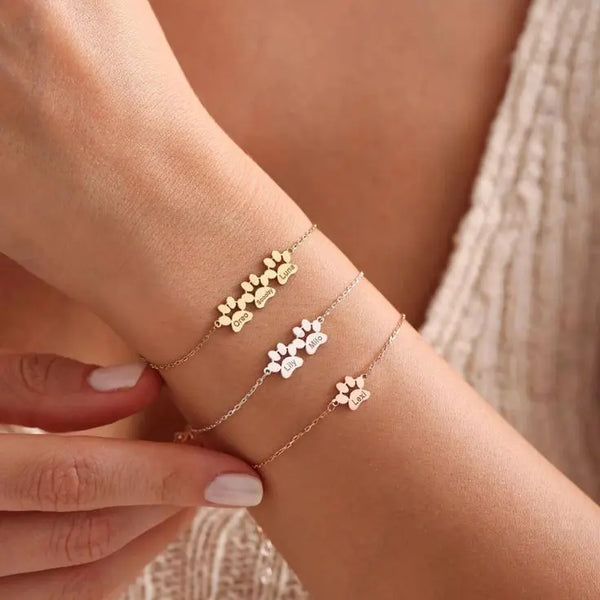
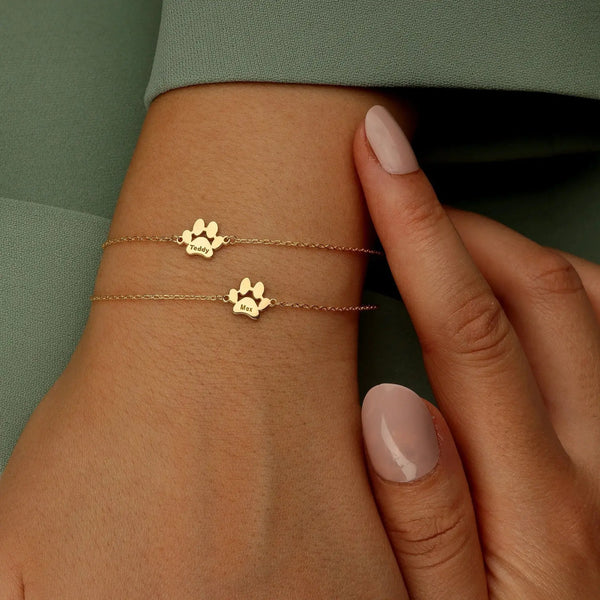
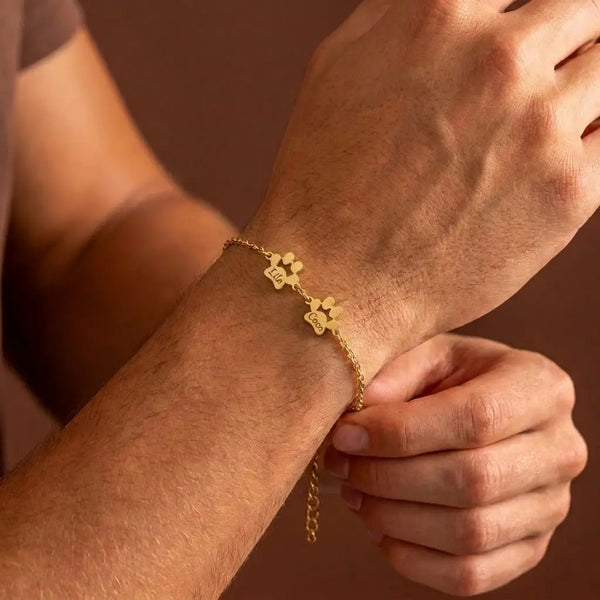
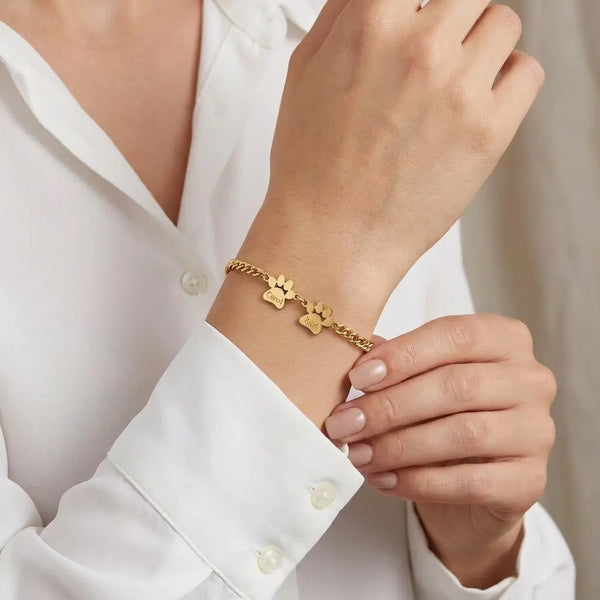
"I bought my paw bracelet from ByHeart in early 2024. I've worn it every day — showers, beach trips, yoga — for two years. Zero tarnish, zero plating loss, engraving still crisp. I have a sterling silver necklace from a different brand that needed polishing after 4 months. Stainless wins for daily wear, hands down."
— — Rachel D., ByHeart customer review (verified, April 2026)
Who stainless steel jewelry is right for
- Daily-wear buyers. If you want a piece you never have to take off, stainless is the most forgiving metal.
- People with sensitive skin. 316L is hypoallergenic-rated and nickel-leaching is extremely low. Most nickel-allergic users tolerate 316L without reaction.
- Active wearers. Gym, swimming, outdoor work, manual labor — stainless handles abuse that destroys silver-plated and gold-filled pieces in months.
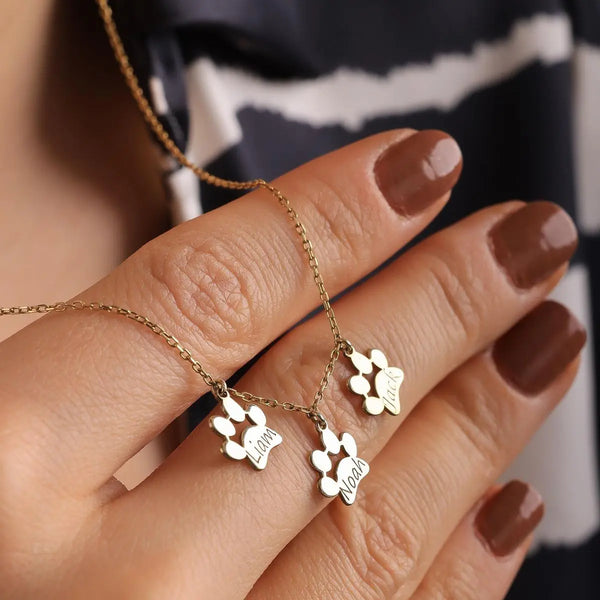
- Buyers of personalized / memorial pieces. Engraving longevity matters most when the piece itself is irreplaceable. Stainless engraving doesn't fade.
- Budget-conscious quality buyers. $40–$80 for a piece that will last 5+ years of daily wear is a value proposition unmatched by silver or gold at the same price point.
Who stainless is not right for
- Heirloom buyers. If the piece needs to retain monetary value across generations, choose 14K+ solid gold.
- Costume-piece collectors who want delicate filigree. Stainless is hard to work into very fine, delicate filigree shapes. Sterling and gold are easier to cast in intricate detail.
- Buyers who want the unmistakable luxury weight of solid gold. Stainless is slightly lighter and feels different in the hand. Most people don't notice; some do.
Care: how to make it last 10 years
- Rinse after saltwater or pool chlorine. Single exposure won't harm 316L, but repeated long exposure can cause micro-pitting over years.
- Put it on last, take it off first. Perfumes, sunscreens, and hairsprays land on the metal surface — apply them, let them dry, then put the necklace on.
- Polish monthly with a soft cloth. Microfiber is enough. Skip silver polish, which is unnecessary for stainless and removes PVD plating.
- Store flat, not tangled. Hanging stress weakens chain links over years.
- For PVD-plated pieces: avoid abrasive cleaners. PVD plating is hard but can be scratched by abrasives. Stick to soft cloth + warm water + mild soap.
Frequently asked questions
Does stainless steel jewelry rust?
No. The chromium oxide layer prevents rust formation. In extreme conditions (high-salt environments, prolonged seawater immersion), 316L can develop very minor surface pitting over years — but this is not rust in the traditional sense.
Is stainless steel jewelry hypoallergenic?
316L specifically is hypoallergenic-rated. Lower grades like 304 contain more nickel and can cause reactions in highly nickel-sensitive users. If you have a nickel allergy, confirm the piece is 316L (sometimes labeled "surgical steel").
How does stainless compare to titanium jewelry?
Titanium is similar in corrosion resistance and hypoallergenic profile but is harder to work and more expensive to manufacture into intricate jewelry shapes. For most consumers, 316L offers 90% of the benefit of titanium at 40% of the price.
Can stainless steel jewelry be resized?
Difficult. Stainless is harder than precious metals and requires specialized welding, which most local jewelers don't handle. For rings, buy the correct size or buy adjustable styles. For chains, choose adjustable lengths. ByHeart's chains include extender links for 2–3 inches of adjustment.
Will the 18K gold plating wear off?
Quality PVD-applied gold plating on 316L typically lasts 3–5 years of daily wear before showing visible wear. Lower-grade flash gold plating wears in 6–12 months. Always ask about the plating method (PVD = best).
Is stainless steel jewelry considered "real" jewelry?
Yes, in the same sense that platinum, titanium, or palladium are "real" jewelry — they are durable, intentional metals chosen for performance properties. The "real" vs "fake" distinction is more usefully applied to cheap plated brass costume pieces, not to surgical-grade stainless.
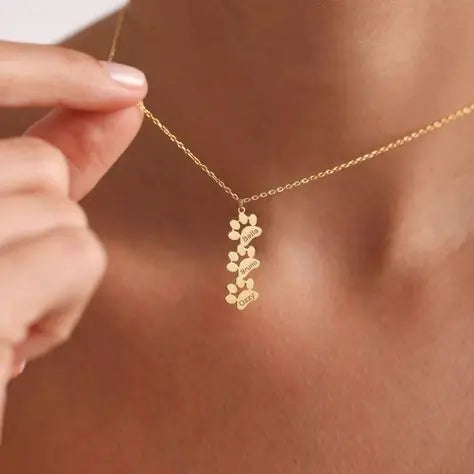
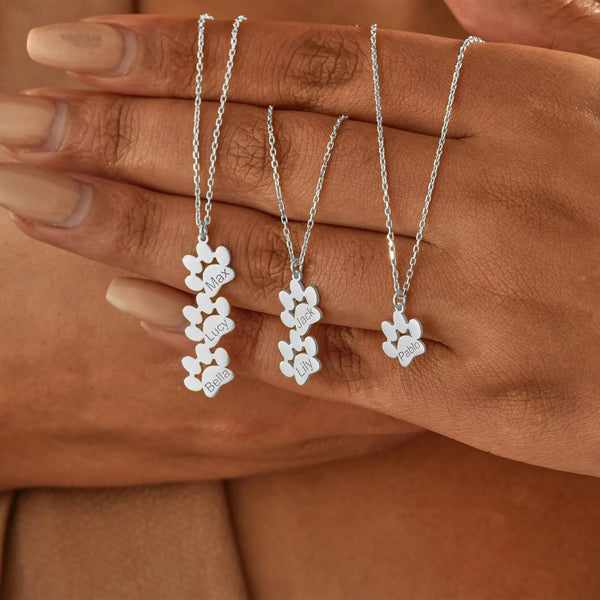
Shop the collection: All stainless steel jewelry · Paw Print Bracelet (316L stainless)
Read next:
- Does stainless steel jewelry tarnish?
- 18K gold plated vs gold filled vs solid gold
- How long does gold-plated jewelry actually last?
Is stainless steel jewelry as good as gold?
For durability, 316L stainless steel outperforms solid gold — it does not scratch, dent, or bend as easily. For value retention, gold wins because it is a precious metal. Stainless steel is the better choice for a piece you wear every day and want to look the same in ten years. Gold is the better choice as a store of value.
Does 316L stainless steel jewelry cause skin irritation?
316L is one of the safest metals for sensitive skin because it contains no nickel that can leach out — nickel is bound tightly in the alloy structure. Most people who react to costume jewelry can wear 316L without issue. If you have severe nickel allergies, patch-test first, but reactions to true 316L are rare.
Can I wear stainless steel jewelry in the shower and swimming?
Yes. 316L stainless steel is waterproof and corrosion-resistant, including in chlorinated pools and saltwater. Long-term daily exposure to salt water may dull PVD gold plating over time, but the base steel itself is unaffected. All ByHeart pieces are built for daily wear including water contact.
How long does stainless steel jewelry last?
316L stainless steel jewelry lasts effectively indefinitely under normal wear — the base metal does not corrode, tarnish, or degrade. Plated finishes (like gold PVD) last 3-5 years of continuous wear before showing thinning at high-friction points. Every ByHeart piece comes with a 2-year warranty against manufacturing defects.
How can I tell if a piece is real 316L stainless steel?
Look for a clear label from the seller stating 316L or "surgical grade." A magnet test is not conclusive — 316L is weakly magnetic. Reputable sellers state the alloy openly, and any listing that just says "stainless" without a grade should be treated cautiously. ByHeart uses 316L across every piece.