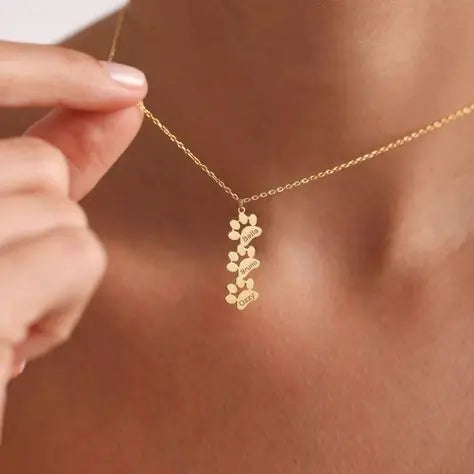
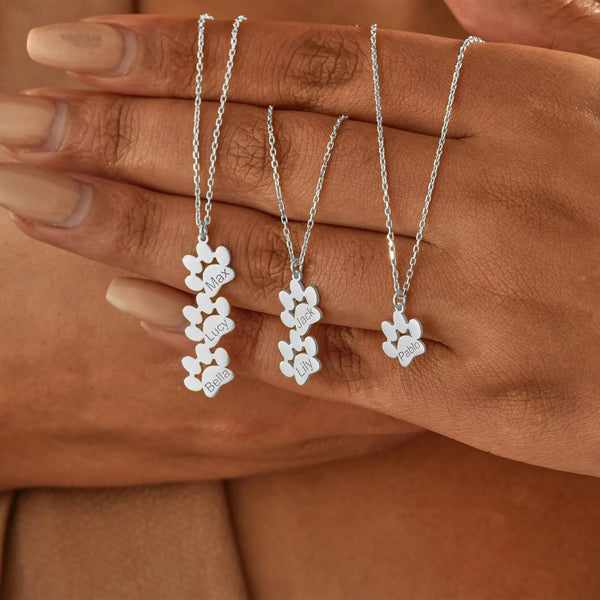
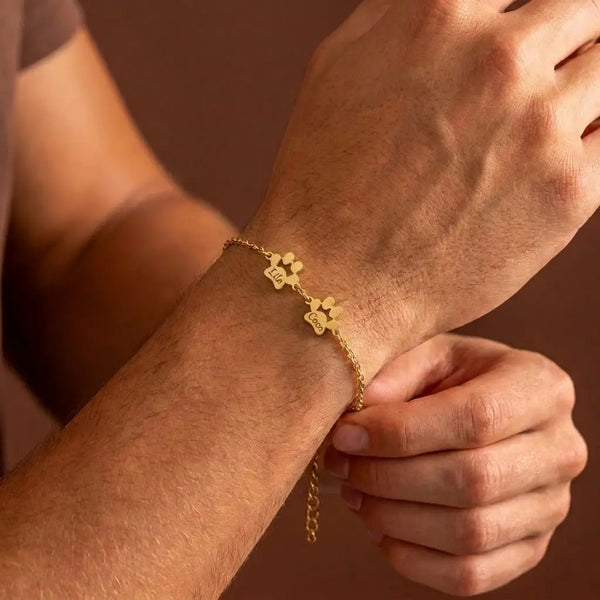
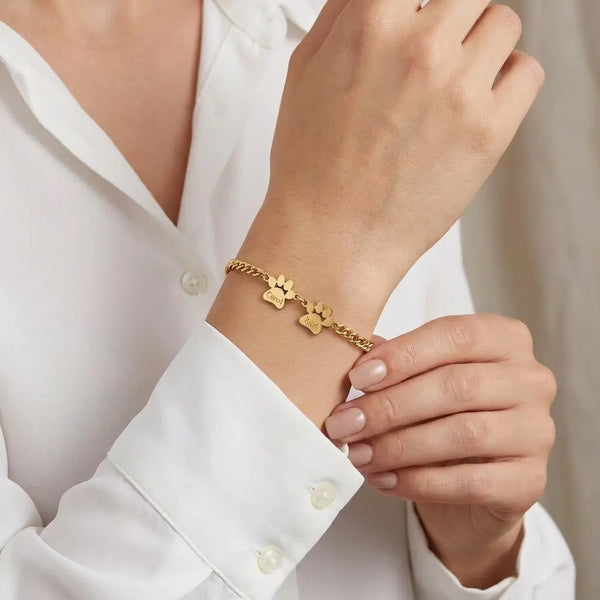
PVD Gold vs 18K Gold Vermeil: Real Wear Test Compared
TL;DR
PVD gold typically outlasts 18K gold vermeil in daily wear because the coating is harder, denser, and more scratch-resistant. Vermeil looks and feels closer to solid gold and can be re-plated, while PVD is essentially unrepairable when worn. For everyday durability, PVD wins; for traditional feel and long-term maintainability, vermeil wins.
Two ways to get a gold-look piece
PVD gold coating and 18K gold vermeil are the two most common approaches to producing jewelry with genuine gold color without paying solid-gold prices. They achieve similar visual results by very different means, and their durability profiles differ enough that the right choice depends on how you actually wear jewelry.
PVD gold in one sentence
Physical Vapor Deposition applies a thin (1-3 microns), extremely hard coating of gold-alloy vapor onto a base metal (usually 316L stainless) in a vacuum chamber. The result is a dense, ceramic-like layer that survives daily wear for years.
Gold vermeil in one sentence
Vermeil (pronounced ver-may) is thick gold electroplating (2.5 microns minimum by US legal definition) applied over sterling silver base. The gold layer is softer than PVD but sits on a substantial silver base that gives the piece weight and feel.
Month-by-month wear outcomes
| Time | PVD gold on 316L | 18K gold vermeil on sterling |
|---|---|---|
| Day 1 | Cool gold tone, slightly harder look | Warm gold tone, softer feel |
| 1 month | No visible change | No visible change on surface; slight softening at high-friction points |
| 3 months | Minor loss of highest polish on clasp; still fully gold-colored | Visible wear starting on clasp edges; tiny areas beginning to show base silver |
| 6 months | Clasp showing minimal dulling; body of piece looks new | Clasp edges and high-friction points show base silver clearly; body still mostly gold but softer |
| 12 months (projected) | Slight overall dulling; still recognizably gold | Multiple areas of visible plating wear-through; may need re-plating |
| 3 years (projected) | Wear at high-friction zones; body remains gold | Would benefit from professional re-plating |
Color and feel differences
Color character
PVD gold tends toward a slightly cooler, more consistent tone. The color is deposited from a controlled vapor and does not vary across the piece. Some PVD processes produce a tone closer to 18K yellow gold; others produce closer to rose or champagne.
Vermeil uses actual gold plating, which reads slightly warmer and softer. The color depth is comparable to solid 18K gold because it is 18K gold, just as a thin layer over sterling.
Weight and hand feel
PVD on 316L feels solid but has a slightly different weight profile than solid gold jewelry. Vermeil on sterling has weight closer to fine jewelry expectations because sterling silver produces a piece that feels like traditional silversmith work.
Repair and re-plating
PVD is essentially unrepairable at consumer scale
PVD requires a vacuum chamber and specialized equipment. Most jewelers cannot re-apply it. For most consumers, a worn PVD piece is a replaced piece.
Vermeil can be re-plated
Traditional gold plating is a common jeweler service. A worn vermeil piece can be sent to a jeweler for re-plating, typically costing $30-100 depending on piece size. This means a well-cared-for vermeil piece can be renewed multiple times.
Which to choose for which use case
Choose PVD gold when
- You want maximum daily-wear durability with minimum maintenance.
- You wear jewelry through pool, ocean, and active life without wanting to remove it.
- Budget matters and you want gold-look at a lower price point than vermeil.
- You have nickel sensitivity and want the barrier PVD provides.
Choose gold vermeil when
- You value the traditional feel and warm tone of real gold plating.
- You are willing to maintain the piece (light care, occasional re-plating) as part of long-term ownership.
- You want the piece to have resale or scrap value (sterling silver base retains value).
- You want a piece that can be professionally serviced across decades.
The bottom line
Daily-wear durability: PVD wins. Traditional feel and long-term repairability: vermeil wins. Both produce beautiful pieces at prices well below solid gold. The correct answer depends on how you actually wear jewelry — active wearers benefit from PVD's toughness, traditional wearers benefit from vermeil's warmth and serviceability.