PVD Jewelry Care: What to Avoid to Keep the Finish
TL;DR
PVD survives daily wear, shower, sweat, and light chlorine exposure without noticeable damage. Abrasive cleaners, ultrasonic jewelry cleaners, salt water for extended periods, and mechanical friction with hard objects (gym equipment, keys, tools) are the real threats. Wipe dry after wet exposure, store separately, skip the polish paste.
Why PVD needs a different care routine than traditional plating
PVD coating is fundamentally more durable than electroplated gold or silver. It is denser, harder, and better bonded to the base metal. That resilience changes the care rules — some "jewelry cleaning" habits that make sense for sterling or plated pieces actively damage PVD.
The mechanism matters. A PVD coating is 1-3 microns of ceramic-like film (titanium nitride, chromium nitride, or a gold-alloy PVD) bonded atomically to the base metal. That film is hard on the Vickers scale — typically 1500-3000 HV compared to gold electroplating at around 100-200 HV. Hard, in this context, means it laughs at ordinary handling. It also means it responds to abrasion by cracking rather than smearing, which changes what "cleaning" should look like.
Five things that damage PVD (in order of severity)
1. Ultrasonic jewelry cleaners
The high-frequency vibration in ultrasonic cleaners generates microscopic bubbles that collapse against the piece surface (cavitation). On a delicate PVD coating, repeated cavitation can create microcracks in the film and, over time, cause the coating to lift at any edge or weak point. Bench jewelers who service diamond settings avoid ultrasonics on any coated piece.
2. Abrasive polish paste and polishing cloths
Silver polishing cloths and abrasive pastes work by removing a microscopic layer of tarnish and metal. On PVD, they remove the coating itself. A single aggressive polish session can dull a PVD finish or expose the base metal at high spots.
3. Prolonged salt water contact
Chloride ions in seawater can penetrate microscopic pores or scratches in any coating and initiate corrosion of the base metal underneath. On a 316L base this is slow but real. Occasional ocean swimming with a rinse afterward is fine. Wearing the piece continuously through a week-long beach vacation without rinsing is not.
4. Mechanical friction with harder materials
PVD is hard, but it can still be scratched by materials harder than itself: diamond, ceramic, hardened steel tools, gym equipment weights, some countertop stones. Everyday hand contact and clothing fabric are no problem. Repeated banging against a weight bar or a granite countertop will eventually mark the coating.
5. Chemical exposure to strong acids, bases, and solvents
Bleach, ammonia, drain cleaner, acetone (nail polish remover), and some jewelry "dip" cleaners contain compounds that can attack PVD coatings directly. Occasional splash contact is usually fine. Prolonged soak or repeated exposure damages the surface.
What PVD tolerates just fine
The list of things that don't matter is longer than the list of things that do.
- Shower water, soap, shampoo, conditioner — no problem.
- Sweat, gym conditions, sauna — no problem.
- Sunscreen, most lotions, most perfumes — no problem in normal use.
- Occasional pool swimming — no problem if rinsed afterward.
- Sleeping in the piece — no problem, though check clasps for wear.
- Handwashing dishes without harsh chemicals — no problem.
This tolerance is exactly what buyers pay for when they choose PVD over cheaper plating. The whole point is jewelry you don't have to think about. The care rules exist to prevent the small number of scenarios that can shorten that carefree life.
The two-minute weekly care routine
PVD requires almost no care. What little it needs takes two minutes a week.
Step 1: Warm water and mild soap
Run the piece under warm water. A drop of gentle dish soap or hand soap on a soft microfiber cloth wipes away skin oils, lotion residue, and general grime. Skip anything abrasive.
Step 2: Rinse and pat dry
Rinse thoroughly to remove soap residue. Pat completely dry with a soft cloth, paying attention to clasp mechanisms and any grooves where water can hide.
Step 3: Air-dry briefly, then store
Let the piece sit for 5 minutes to release any residual moisture from crevices before storing. Store in a soft pouch or a lined jewelry box, ideally with each piece separated so they don't scratch each other.
Storage rules that extend PVD life
Storage matters more than most buyers assume. Two pieces of coated jewelry rubbing against each other in a drawer will damage each other faster than months of regular wear.
- Separate soft pouches or a jewelry box with individual compartments.
- Anti-tarnish paper is unnecessary for PVD (PVD does not tarnish) but does not harm the piece either.
- Avoid storing near open bottles of perfume, hair spray, or cleaning chemicals. Airborne exposure over months can dull the finish.
- Do not store multiple pieces stacked directly in a container that allows contact — chain links tangle and scrape.
When PVD does eventually wear
Even the best PVD coating is not permanent. Realistic expectations for a well-made piece worn daily:
| Wear scenario | Expected visible wear |
|---|---|
| Everyday office/home wear, occasional pool | 3-5+ years, minimal visible change |
| Daily gym, sweat, occasional ocean | 2-4 years before noticeable dulling |
| High-friction daily wear (construction, manual work) | 1-2 years before visible coating wear-through at friction points |
| Occasional wear, careful storage | Effectively indefinite finish life |
Note: these are for genuine PVD at 1-2+ micron thickness on a proper base. Cheap PVD-labeled coatings under 0.5 microns wear meaningfully faster. Our guide on PVD coating chemistry and durability covers what specifications translate to what real wear performance.
When (and if) to re-plate a PVD piece
PVD is not easily re-applied at consumer scale. It requires a vacuum chamber and specialized equipment. Most jewelry brands do not offer PVD re-coating as a service. Some higher-end brands offer it under warranty for pieces that fail early, but out-of-warranty replating is rare and expensive.
The practical answer for a beloved piece with visible wear-through is either accepting the patina, replacing the piece, or (if the base metal is 316L) having the coating professionally stripped and re-applied by a specialty PVD shop. The latter is rarely worth it for pieces under $200 retail.
Care rules by piece type
Bracelets
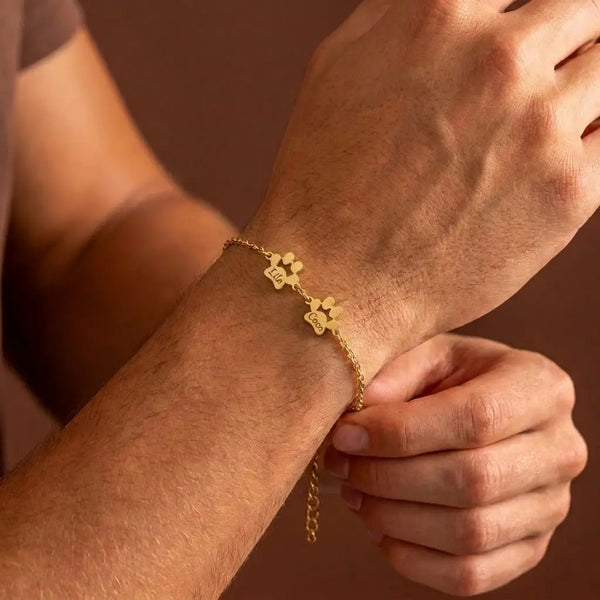
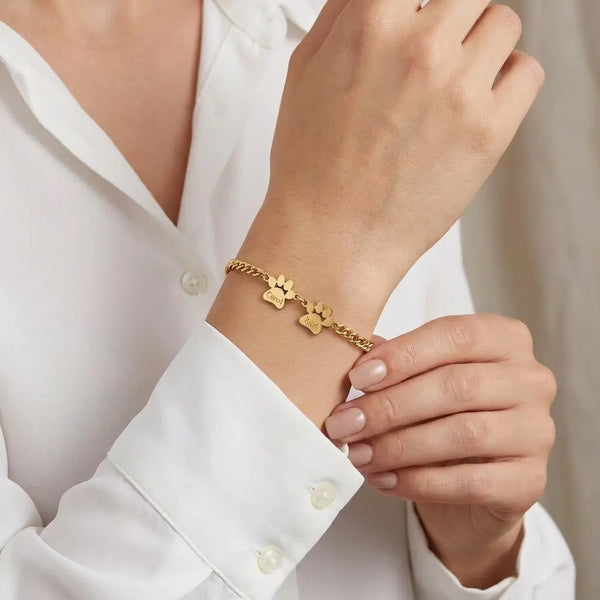
Clasp mechanisms are the highest-wear zone. Check monthly for coating loss around the clasp tongue and box. If the clasp starts to feel sticky, a small amount of watchmaker's oil (not WD-40) on the moving parts extends life.
Rings
Inside of the band is the highest-wear zone from constant contact with fingers. Remove for weightlifting and manual tools. PVD rings should not be resized because resizing damages the coating along the cut and rejoin.
Necklaces and chains
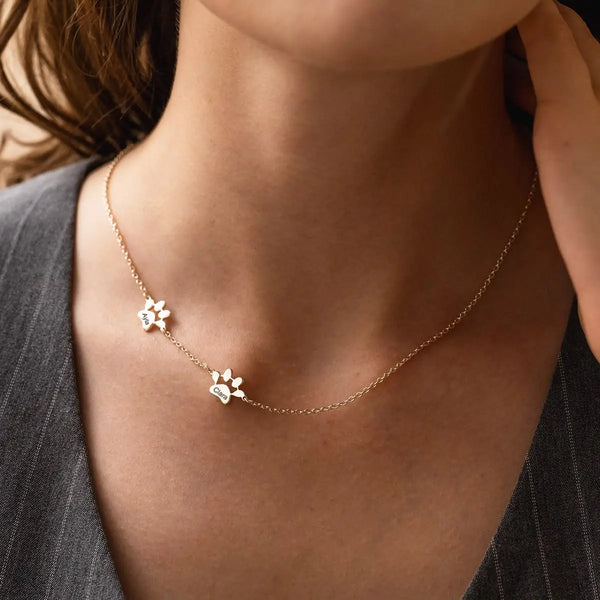
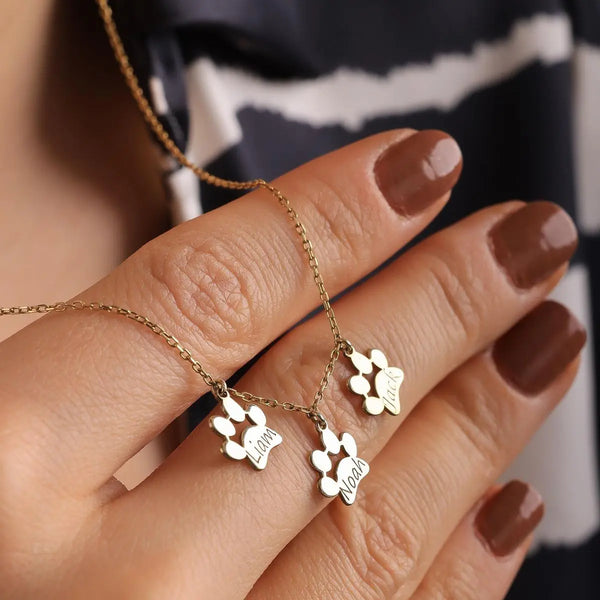
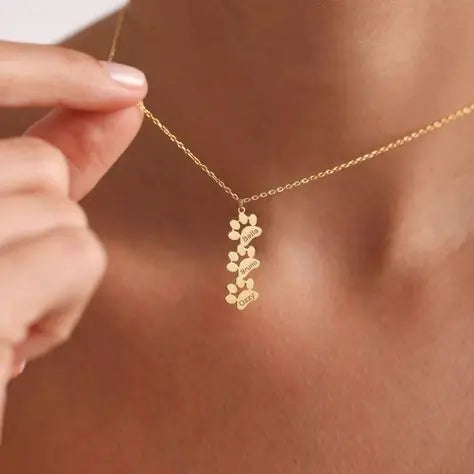
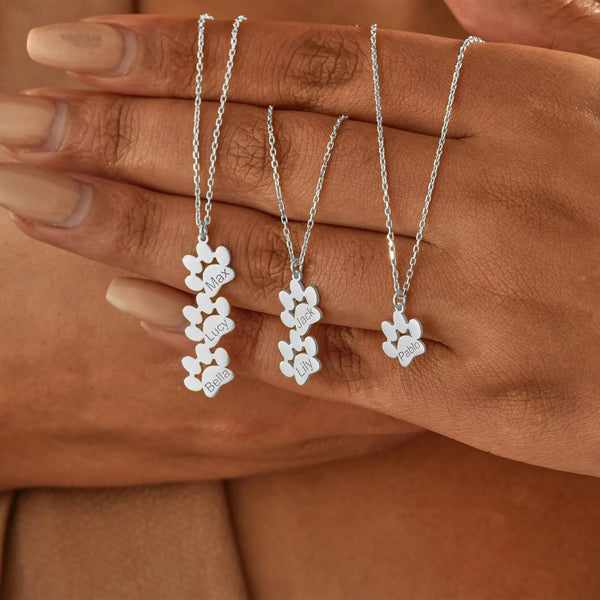
Store hung, not coiled, to prevent link wear from twisting. Rinse and dry after gym or beach exposure. Personalized pendants with engraving benefit from occasional gentle wipe with a slightly damp microfiber to keep engraved lines readable — see hand vs laser engraving for how coating and engraving interact.
Earrings
Studs and drops both fare well with PVD. Wipe with a soft cloth after wear to remove skin oils. Skip cotton swabs with alcohol; the alcohol residue can dry the piece unevenly.
Practical rules that summarize everything
Three lines cover 90% of PVD care.
Do not use ultrasonic cleaners, silver dip, or abrasive polish.
Rinse and pat dry after significant water exposure, especially salt water.
Store separately from other jewelry to prevent friction damage.
Those three habits keep a PVD piece looking new for years. Everything beyond them is optional refinement.