Due Date Rituals After Pregnancy Loss: Gentle Ideas
TL;DR
The due date is often the hardest day after pregnancy loss. Small private rituals — a walk, a candle, a note written to the baby, a piece of jewelry worn once — help mark a day that has no formal recognition anywhere else.
Nobody warns you that the due date will come. You spend weeks or months getting through the loss itself, and then the calendar arrives at the date the baby was supposed to be born, and it lands with a weight you didn't quite see coming.
This guide is for the person who's approaching that date and doesn't know what to do with themselves. There's no obligation to mark it. But if some part of you wants to, here are gentle ways women have made the day feel meaningful without making it heavier than it already is.
Why the Due Date Hits So Hard
The date of the loss is a wound. The due date is a ghost. It represents a future that was supposed to happen and didn't — a version of your life you were actively imagining. For weeks or months after conception, you'd oriented your calendar around this day. The baby's first birthday would fall here, the maternity leave would end there, this summer would look completely different.
When the due date arrives, all of that phantom future crystallizes into a single day. That's why it can feel disproportionately hard, even months into recovery. You aren't going backwards. You're moving through a specific and expected wave.
Deciding Whether to Mark It At All
Some women want to mark the day formally. Some want to pretend it's an ordinary Tuesday. Some don't know what they want until the morning arrives.
All three responses are valid. If you're the type of person who feels better with a plan, decide loosely in advance what you'd want the day to look like, and give yourself permission to change your mind that morning. If you're the type who doesn't want to think about it, at minimum consider one thing: don't schedule anything you can't cancel. Give yourself an off-ramp.
Ritual Ideas That Have Helped Others
Write a Letter You Never Send
Pick up a pen and write to the baby. Whatever you want to say. What you were hoping for, what you named them, what you wish you could have told them. You don't have to keep the letter afterward — some women burn it, some tuck it into a box, some rip it into pieces and let the wind take them off a hill. The act of writing is the thing.
Light a Candle Somewhere Meaningful
Not a memorial candle from a store necessarily. A candle you already own, in a room that matters. Light it in the morning, let it burn while you have your coffee, and blow it out when you're ready. The candle is a placeholder for attention. It gives your day a small anchor.
Take a Walk You've Never Taken
New scenery is easier than familiar scenery on a heavy day. A trail you haven't been on, a beach you've been meaning to visit, a park in a town you don't usually pass through. Walking releases what sitting won't.
Bake or Cook Something That Takes Real Time
Bread, a slow-simmered stew, a cake that requires layering. The hours pass. You have something to show for the day. And there's something quietly grounding about making food while grieving. You're feeding yourself.
Plant Something
A tree, a rosebush, a pot of herbs. It doesn't have to be dramatic. Something that will still be there next year, and the year after. Some families dedicate a specific corner of the garden to a lost pregnancy and add to it slowly over the years.
Wear Something That's Yours to Wear
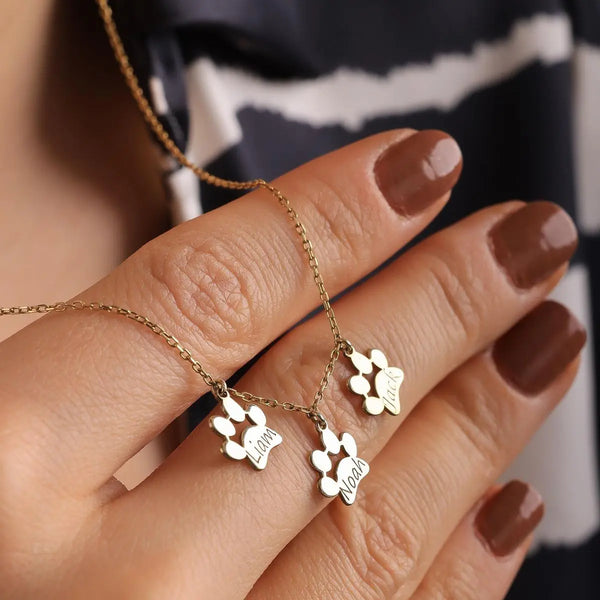
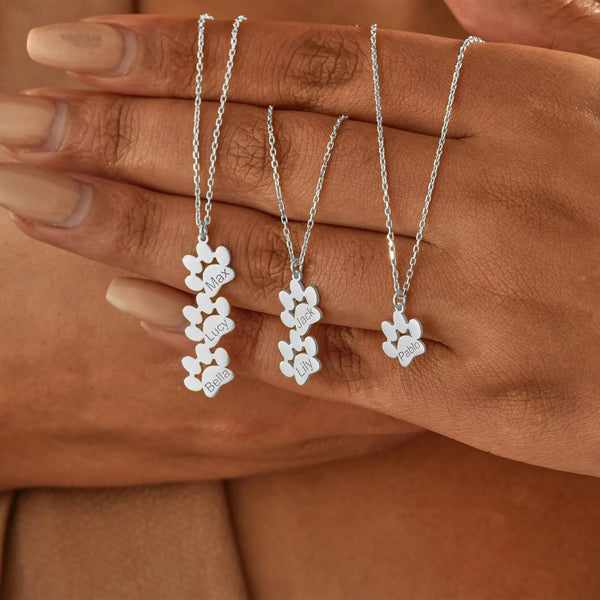
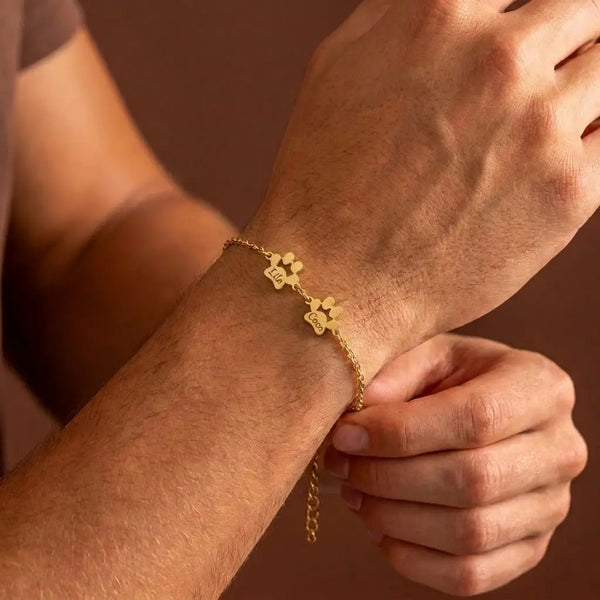
Some women mark the day by wearing a piece of jewelry they only wear on this date. A bracelet with the baby's name or the due date engraved, or a small delicate necklace with a birthstone. Not because they need a public symbol, but because they want to feel the weight of it against their skin on the day it matters. If this feels right for you, our guide to pregnancy loss memorial jewelry covers gentle, non-obvious options.
If You Have a Partner
Partners often grieve pregnancy loss on a different timeline. He may not have felt the physical pregnancy the way you did, or may have processed the loss faster or more privately. That doesn't mean he doesn't care about the due date. It may just mean he doesn't know it's coming, or doesn't know what you need on it.
Tell him. "The due date is next Tuesday. I don't know exactly what I want the day to look like, but I don't want to be alone in the morning." That specificity gives him something to do. Vague hope for the right response usually doesn't work.
Some couples create small joint rituals: making a specific meal together, going somewhere quiet, taking the day off work together even if they don't plan anything at all. Others find one partner wants ritual and the other wants normalcy, and the compromise is that the morning belongs to one of you and the afternoon returns to ordinary life.
If You Have Older Children
You know your children best. Some parents want to keep the due date entirely private from young kids because they can't hold the weight of it. Others include the older siblings in a small, age-appropriate way: lighting a candle at dinner, releasing a balloon in the yard, planting a flower together and calling it "the baby's flower."
Children process loss better when adults name it plainly. "Today would have been a special day for the baby that we lost before you got to meet them. We're going to light a candle." That's enough. You don't have to make it more.
If You're Grieving Alone
Not every woman has a partner or a supportive family. If you're going into the due date alone, please consider these two things: don't isolate completely, and don't force social interaction that costs you energy you don't have.
A middle path is helpful: text one friend and tell them what day it is. "Today would have been the due date. I don't need you to do anything. I just wanted one person to know." That single acknowledgement from another human often carries the day.
The point of a ritual isn't to make grief smaller. It's to give a day that has no shape somewhere to rest.
The Second Year, and the Ones After
The first due date is usually the hardest. The ones after tend to soften, though they rarely disappear entirely. Some women mark it every year with a small quiet ritual. Some let it become a private inner nod that only they know about. Some, after a subsequent pregnancy or a change of season, find the date has lost some of its charge and doesn't need marking anymore.
All of these are healthy. Grief is not a linear project you complete. It's more like weather that shifts across a landscape you're always going to be walking through.
When the Due Date Coincides With Other Grief
Sometimes the due date falls in a month you're already grieving something else — a parent's death anniversary, a sibling's birthday you can no longer celebrate. Compounded grief can feel unbearable, but it can also be gently held together. Some women deliberately group anniversaries: one day dedicated to remembering everyone lost, so that the weight isn't spread across four sad weekends in the same month. If this is your reality, resources on grandparent loss or spouse loss may offer overlapping ideas.
A Small Note for the Person Approaching the Day
You don't have to be composed. You don't have to do it "well." You don't have to produce anything meaningful. The due date is not a test you can fail.
Whatever you do or don't do on this day is enough. The baby is not measuring you. You are the only person keeping this quiet appointment. Show up for it however you can, and let that be sufficient.
Related reading
Frequently Asked Questions
How do I calculate the due date if I miscarried very early?
If you know the date of your last period, most online due date calculators can estimate it. If you don't want to know, don't calculate it. There is no requirement to mark this day.
Is it weird to celebrate the due date instead of the loss date?
Not at all. Many women mark the due date more than the loss date because it represents who the baby would have been, not just how the pregnancy ended. Either date is valid to mark, or both, or neither.
What if the due date falls near a holiday?
This can be especially hard. Consider marking the due date a day early or late, in a moment that belongs only to you, so it doesn't get swallowed by holiday chaos.
Do I have to tell my family what day it is?
No. Some women find it helpful to say something. Others prefer to keep the day entirely private. Both are healthy. You don't owe anyone your grief calendar.
What if the due date passes and I feel nothing?
That's also normal. Grief moves in waves that don't always sync to calendar dates. Sometimes a random Tuesday three months later hits harder than the due date itself. Nothing is wrong with you.
Should I do the same ritual every year?
Only if it still feels right. Some rituals mean a lot for two or three years and then start to feel forced. It's fine to retire them and let the day become quieter as the years go on.