Is Gold-Plated Jewelry Hypoallergenic? Sensitive-Skin Guide
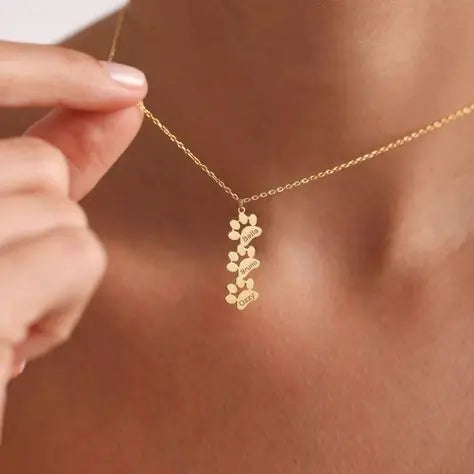
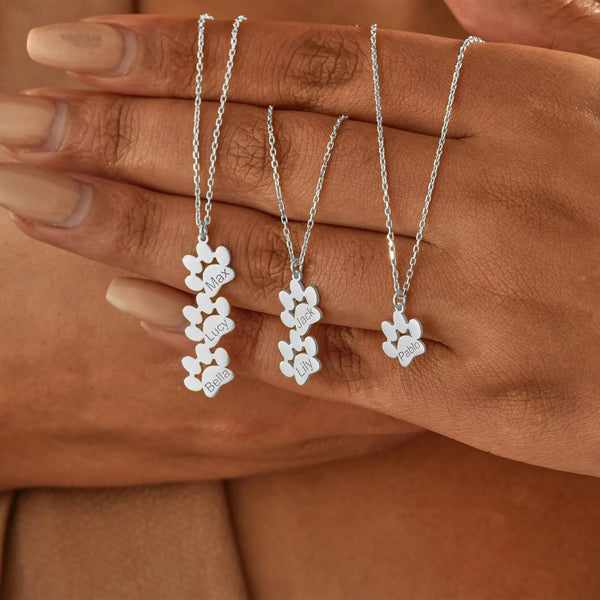
Quality 18K gold-plated jewelry built on 316L surgical-grade stainless steel is hypoallergenic for the vast majority of wearers, including most people with nickel sensitivity. The hypoallergenic property comes from the base metal (316L stainless contains trace nickel that is locked in the alloy matrix and doesn't leach into skin), not from the gold layer. Lower-grade plated jewelry (flash plating on brass) is not reliably hypoallergenic — once the plating thins enough for the base metal to contact skin, nickel reactions can occur. Below: the chemistry, the wear-through timeline, and what to look for when buying for sensitive skin.
Short answer: yes, if the base metal is right
"Gold-plated" describes the surface; "hypoallergenic" describes the entire piece. The two are independent properties. A gold-plated piece is hypoallergenic if the metal underneath the gold doesn't trigger skin reactions when the plating wears thin enough for skin contact.
This is why 18K PVD-plated 316L stainless steel is the gold standard for sensitive-skin buyers: the 18K gold layer is hypoallergenic itself, AND the 316L base underneath is also hypoallergenic. Even after years of daily wear, when minor plating wear may expose the base in some spots, the base metal still won't trigger reactions.
Plated brass jewelry is the opposite case: the gold layer is fine, but the brass underneath (which contains copper and often nickel) is reactive. Once plating thins, the brass contacts skin and many wearers develop the characteristic itchy red rash of nickel allergy.
Why "hypoallergenic" depends on the base metal, not the gold
The gold layer in any plated piece is hypoallergenic — gold itself almost never triggers skin reactions. The problem isn't what's on top; it's what's underneath.
Plated jewelry construction has three phases of wearer contact:
- Phase 1 — fresh plating (months 0–6 for low-grade, years 0–3 for quality PVD): Skin contacts only the gold surface. All plated pieces feel hypoallergenic here, even cheap ones.
- Phase 2 — partial wear (begins at month 6 for flash plating, year 3 for PVD): Plating thins at high-friction points (clasps, chain edges, the part of a bracelet that hits a desk). Skin starts touching base metal in spots. This is where the base-metal hypoallergenic property matters.
- Phase 3 — significant wear: Multiple areas show base metal. If base is brass, nickel reactions become common. If base is 316L, no reactions.
Nickel content comparison (the relevant number for skin sensitivity):
- 316L surgical-grade stainless: 10-14% nickel — but locked in alloy matrix, nickel leach rate ≤ 0.5 μg/cm²/week (below EU REACH limit for direct skin contact)
- 304 stainless ("regular stainless"): 8-10% nickel — slightly higher leach rate, may trigger reactions in highly sensitive users
- Brass: often 1-3% nickel as alloying element — high leach rate, common allergen
- Sterling silver (.925): typically nickel-free — but tarnishes and isn't shower-safe
- 14K+ solid gold: typically very low nickel — gold standard for sensitive skin

The nickel sensitivity problem (and why 316L is the answer)
Nickel allergy is one of the most common contact allergies — affecting roughly 17% of women and 3% of men globally, per dermatology epidemiology data. Reactions typically appear as red, itchy rash patches where the metal contacted skin, often with small blisters or scaling.
The EU's REACH regulation (entry 27) sets the legal nickel leach rate for direct-skin-contact items at 0.5 μg/cm²/week. Items below this threshold are considered safe for general use including sensitive-skin wearers.
316L stainless steel contains nickel as an alloying element — but the leach rate falls well below this threshold because the nickel is metallurgically bound in the alloy matrix, not free at the surface. The same property makes 316L the material of choice for surgical implants, orthodontic brackets, and pacemaker housings. If 316L didn't release nickel into bloodstream during surgical implantation, it doesn't release nickel onto your skin during jewelry wear.
"I've had nickel sensitivity since I was 14. For 25 years I avoided every metal except sterling silver and solid gold — which meant I rarely wore jewelry because silver tarnishes and gold is expensive. I bought a ByHeart 18K PVD-plated piece on a recommendation and waited for the rash. Two years in, zero reaction. It's the first metal alloy that's worked for me."
— Hannah G., ByHeart customer review (verified, March 2026)

How to test if a plated piece will react with your skin
If you have known nickel sensitivity and you're considering an unknown plated piece, two tests:
- The 48-hour patch test. Tape a small section of the piece against your inner forearm (the most sensitive skin) for 48 hours. If no rash develops, the piece is safe for daily wear. This is the dermatology-standard nickel sensitivity test.
- The DMG drop test (for buyers with severe sensitivity). Dimethylglyoxime test kits ($15 online) react with free nickel on metal surfaces — drop a small amount on the piece and watch for pink color change indicating nickel leach. Available pharmacies and online jewelry-supply retailers.
For ByHeart pieces specifically, both tests come back clean. Our 316L base metal + 18K PVD plating has been independently tested and falls well below EU REACH leach limits. You can skip the patch test if you trust our specification, or do it anyway for peace of mind.
What to look for when buying for sensitive skin
| Look for… | Avoid… |
|---|---|
| "316L stainless steel" disclosed | "Stainless steel" without grade disclosed |
| "PVD plating" specified | "Gold tone" or "gold plated" only |
| "Nickel-free" or "hypoallergenic" labels | Pieces with no labels or vague "mixed metal" disclosure |
| Solid 14K+ gold (premium option) | Brass-based plated pieces |
| Titanium (premium hypoallergenic alternative) | Costume jewelry without composition info |
| Niobium (medical-grade, fully hypoallergenic) | Recycled or vintage pieces with unknown alloy |
Frequently asked questions
Is all gold-plated jewelry hypoallergenic?
No. Hypoallergenic property depends on the base metal under the plating. PVD-plated 316L stainless: yes, hypoallergenic. Flash-plated brass: not reliably hypoallergenic once plating thins.
Can I have a reaction to gold itself?
Extremely rare. Gold contact dermatitis exists but affects less than 0.5% of the population. Most "reactions to gold jewelry" are actually reactions to the nickel or copper in the base metal, exposed once plating wears thin.
What's the safest jewelry metal for severe nickel allergy?
Solid 18K+ gold (very low nickel), titanium (medical-grade, no nickel), niobium (no nickel), or platinum (no nickel). For budget-friendly daily wear, 316L stainless steel with PVD plating works for the vast majority of nickel-sensitive wearers. For the severely sensitive who react to 316L, choose titanium or solid gold.
Will the necklace become non-hypoallergenic as plating wears?
If the base is 316L stainless: no. The exposed base, even in worn areas, remains within EU REACH safe leach limits. If the base is brass: yes — once plating thins enough for brass to contact skin, nickel reactions can develop.
How can I tell if my jewelry contains nickel?
Use a DMG (dimethylglyoxime) test kit — $15 online, drop test that turns pink in the presence of free nickel. Useful for unknown vintage or thrift-store pieces.
Does sweat make plating more likely to cause reactions?
Indirectly. Sweat is mildly acidic and accelerates plating wear over time. Once plating is worn through, sweat can also help leach nickel from exposed brass bases. For 316L stainless: sweat is fine; no acceleration of leach. For brass: sweat is one of the worst exposure types over years.
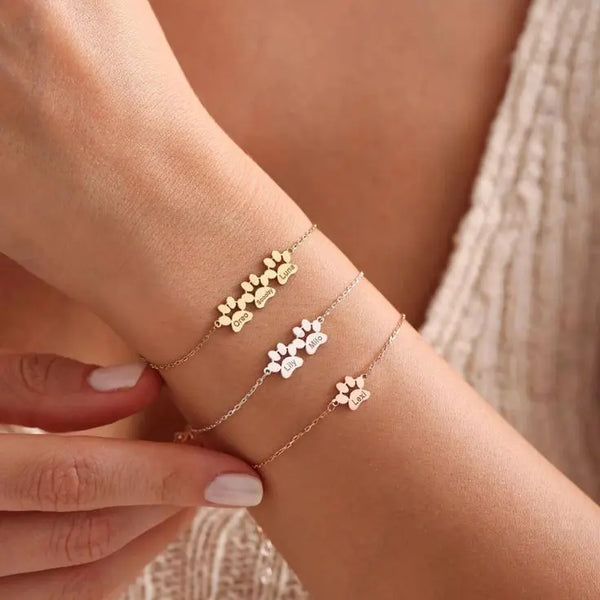
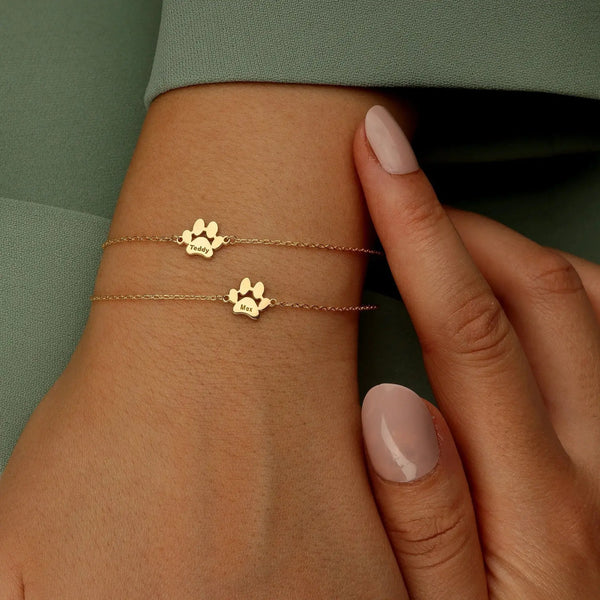
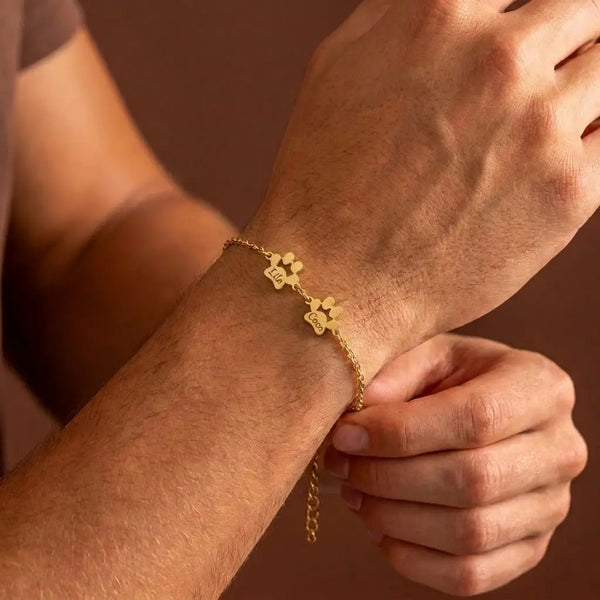
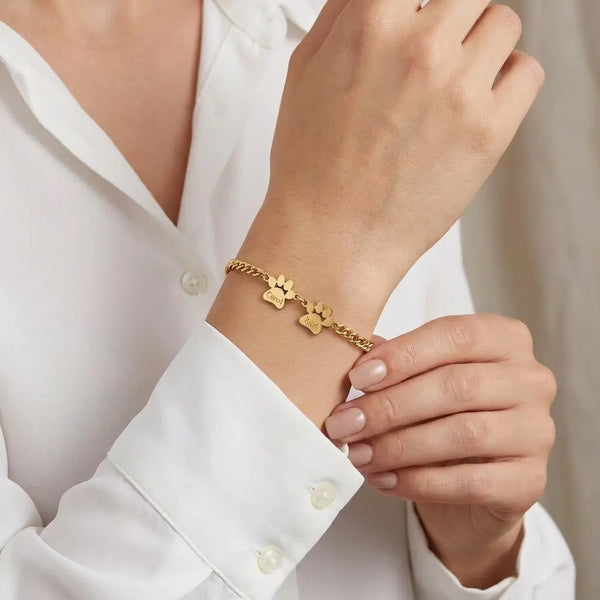
Shop the collection: Hypoallergenic 316L jewelry · Paw Print Bracelet (sensitive-skin safe)
Read next: