First Birthday Alone After Losing a Spouse
TL;DR
Your first birthday alone after losing a spouse is going to hurt. Give yourself permission to have a small, honest day instead of a performative one. Plan lightly, ask for one specific companion, and let the day be what it is.
Somewhere in the calendar there's a birthday coming up. Yours, or the one that was always the joint celebration. Or both, in the same terrible week. And for the first time in years or decades, he isn't going to be there. She isn't going to be there. The person who always knew what you wanted, who always got the card wrong in a way you secretly loved, who always insisted on the same terrible chocolate cake — that person is gone.
This is one of the harder solo days a widow or widower faces. It sneaks up in a way anniversaries don't. Everyone remembers the death date. Almost nobody remembers your birthday hits differently now. This guide is for the surviving spouse trying to figure out how to get through a day the outside world assumes should be normal.
Why the First Birthday Is So Hard
Death anniversaries are heavy but expected. Birthdays are harder because they're supposed to be happy, and grief in the middle of an expected celebration feels sharper than grief on a day already colored by loss.
Specifically, the first birthday alone tends to surface:
- The absence of the one person who knew exactly how you like your birthday marked.
- The realization that the rituals you built together — a specific restaurant, a specific breakfast, a specific card he always gave — are gone.
- Pressure from friends and family who want to "make it nice for you," which often lands as heavier rather than lighter.
- The fact that you're the one who has to plan the day, which was often his or her job.
None of this is dramatic. It's just the accumulation of a hundred small things being different, all at once, on a day you can't skip.
Give Yourself Permission to Not Perform
The single most useful thing you can do is release yourself from any obligation to have a "good" birthday. You don't have to be brave. You don't have to be grateful for the people who are still here. You don't have to smile through dinner because your kids planned it and you don't want to disappoint them.
What you need is to have an honest day. That might mean quiet. It might mean crying at 3pm. It might mean laughing at a memory and then feeling guilty for laughing. All of it is legitimate.
Planning the Day Lightly
Complete solitude on the first birthday can be brutal. So can a big party you didn't want. The middle path tends to work best.
Ask One Specific Person to Be Present
Not "whoever's free." One person you specifically choose, whose presence doesn't cost you emotional energy. A sibling. A best friend. An adult child. Ask them to be with you for a specific window — breakfast, lunch, dinner, whatever feels manageable.
Do One Ordinary Thing
Something you'd have done anyway. Coffee at the same place you always go. A walk in the same park. A movie you'd have watched. Ordinary rhythms are grounding on hard days.
Do One Small Meaningful Thing
If you want. Not a whole day of ceremony. One small gesture. Light a candle in the kitchen. Write him a birthday message you never send. Play his favorite song once. Wear something of his.
Give Yourself an Off-Ramp
Whatever you plan, build in the option to cancel. Tell your friend in advance: "I'd love to have dinner Thursday, but if I wake up and I can't, I might text you and postpone." Real friends understand this without offense.
What Tends to Not Work
The Big Distraction Trip
Booking a trip to "get away from it all" often backfires. New environments amplify grief because you're outside your familiar coping strategies. If you want travel, save it for a later birthday when you have more capacity.
Pretending the Day Is Normal
Going to work as usual, refusing to acknowledge the day, powering through — this tends to catch up with you at 9pm when everything you suppressed hits at once. Even one small acknowledgement of the day early on tends to make the evening softer.
The Group Dinner With Twelve People
Well-meaning families sometimes plan a full birthday party with everyone, which for the widow or widower can feel like managing a group performance of your own grief. Small is almost always better than big for the first year.
The Question of Their Birthday, If It's Different From Yours
You may also be facing his or her birthday for the first time. This is a different hard day. Consider marking it in a small, private way that has nothing to do with the birthday you'd have celebrated together:
- Cook their favorite meal alone or with one guest.
- Visit a place they loved.
- Play music that was theirs.
- Look at photos, if you can bear it. Skip photos if you can't.
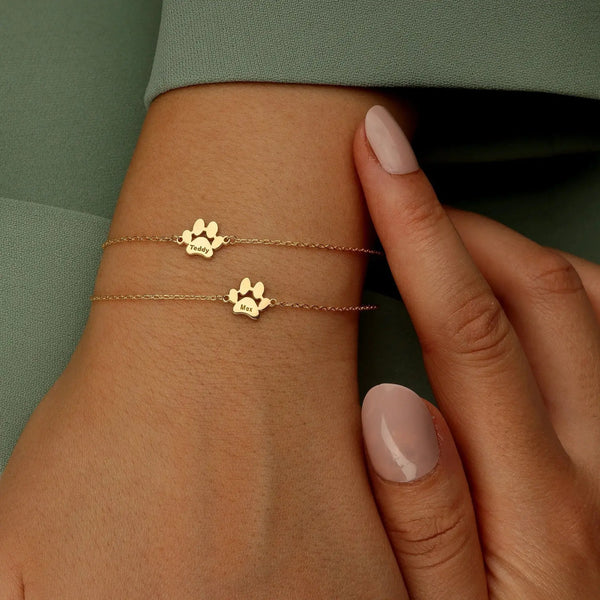
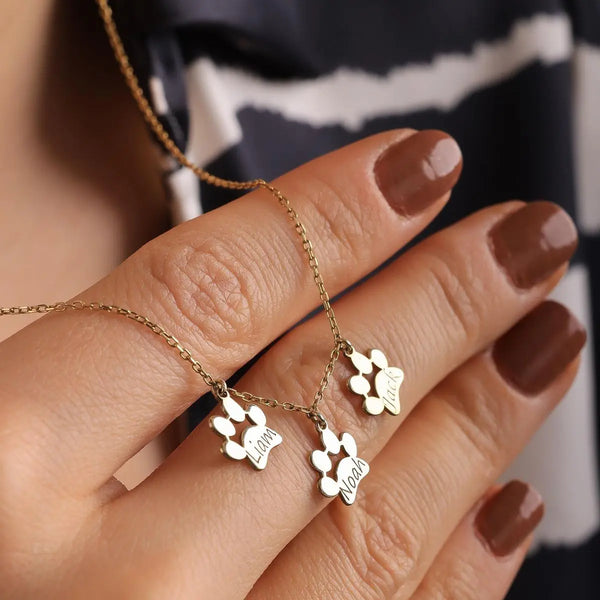
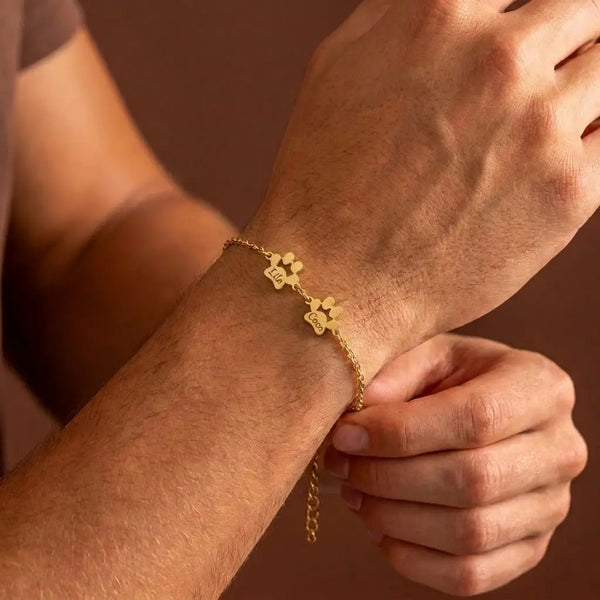
- Wear something of theirs. Some widows wear a piece of jewelry once a year on this day — a ring on a chain, a bracelet with a name and dates, a small keepsake with his handwriting. If you're weighing whether this feels right for you, our overview of memorial jewelry for widows and widowers covers gentle, wearable options.
If You Have Children
If your children are also grieving their parent, your birthday belongs partly to them too. They may want to plan something. Let them, in whatever form they need. But be honest with them about what you can handle.
Small kids often need adults to name the strange day out loud. Something like: "Today is my birthday and I'm sad Daddy isn't here to make me pancakes. We can be sad and still have a nice day. Do you want to help me light a candle for him?" That kind of framing gives them permission to hold both feelings at once.
Adult children often want to protect you and don't know how. Tell them what you actually need. "I don't want a big dinner. I want to have coffee with you Sunday morning. That's what would help." Specifics free them from guessing.
Being Alone Without Being Isolated
If you're going to be alone for part of the day, distinguish between chosen solitude (a walk you wanted to take, a book you wanted to read) and unwanted isolation (nine hours of silence in an empty house). The first is often healing. The second usually isn't.
If you want solitude for most of the day, still plan one small human contact. A morning phone call with your sister. A text conversation with a friend. A quick coffee with a neighbor. Even 20 minutes of contact keeps the day from tipping into isolation.
The Grief That Was Already Complicated
Some marriages are complicated. If your relationship with your spouse was strained, or you were in the middle of hard years, or there was distance you never resolved, the birthday grief may come with unexpected feelings — regret, unresolved anger, guilt. This is all normal.
You don't have to make peace with the whole marriage on your first birthday alone. Complicated grief is real grief, and it doesn't require simplification before you're allowed to feel it.
The first birthday alone doesn't have to be brave or beautiful. It just has to be gotten through. Whatever gets you to bedtime with a little dignity is enough.
What Might Surprise You
The Card You Won't Get
Widows and widowers often say the first birthday drove them to tears not at the big moment but at a small one: reaching for the mail and there being no birthday card in his handwriting. The small absences are often what levels you.
How Ordinary It Ends Up Feeling
Sometimes the first birthday is much less catastrophic than you feared. The anticipation was worse than the day. This is common. Grief anticipates itself, and sometimes the actual day passes gently.
How You Feel the Next Day
Post-birthday hangover of grief is real. Give yourself the day after off too, if you can. Don't schedule anything demanding.
The Second Year and Beyond
The first birthday is usually the hardest. Subsequent ones tend to soften, though they don't disappear. Many widowed people describe the birthday grief as "quieter but permanent." A subtle inner acknowledgement rather than a wave that knocks you over.
Some people develop new rituals over time. A meal at a specific restaurant with a specific person. A visit to a specific place. A donation made every year in his name. These rituals become their own small comfort, tying the day to something forward-looking rather than only backward.
When Other Grief Compounds
If you've also lost a parent, sibling, or child in a similar window, the birthday grief may layer with other losses. This compounding is exhausting and legitimate. Resources on sibling loss and parent and grandparent loss may resonate with the multiple grief you're carrying.
Give each loss its own space when you can. Combining anniversaries because they fall near each other sometimes feels efficient and sometimes feels like shortchanging one of them. Trust your instinct.
A Small Note for the Person Approaching the Day
You are not being weak by dreading this day. You are not being ungrateful by not wanting to celebrate. You are not being dramatic by needing to plan the day carefully instead of just "letting it happen."
You are doing the hard, ordinary work of being a person after losing a spouse. The birthday is one waypoint on a long, slow reconstruction of a life. However you get through it is enough.