How Long Does Gold-Plated Jewelry Actually Last? (Reddit Asked, We Tested)
TL;DR
Quality 18K gold-plated jewelry lasts 3-5 years of daily wear before the plating begins to thin at high-friction points. Flash plating — thinner, cheaper coatings under 0.5 microns — lasts only 6-18 months. The difference comes down to plating thickness, the deposition method (PVD lasts longer than electroplating), and the base metal underneath. Gold plating over 316L stainless steel outlasts plating over brass or copper because the base does not corrode when eventually exposed. Storage, sweat exposure, and chemical contact also change the timeline.
Quality 18K gold-plated jewelry — specifically PVD-applied plating on a 316L stainless steel base — typically lasts 3 to 5 years of daily wear before showing visible plating thinning at high-friction points like clasps and chain edges. Lower-grade flash electroplating on a brass base lasts 6 to 18 months under the same wear. The 3 to 5x lifespan gap between quality and budget plated jewelry is the single most useful number when shopping. Below: what determines lifespan, how to identify quality plating before you buy, and what to do when plating eventually wears.
TL;DR — the lifespan numbers
| Plating type | Daily-wear lifespan | Typical price band (necklace) |
|---|---|---|
| PVD 18K plating on 316L stainless steel | 3-5 years | $40-$80 |
| Heavy electroplating on 316L stainless | 2-3 years | $30-$60 |
| Gold vermeil (silver base, 2.5+ microns plating) | 2-5 years (varies by care) | $80-$200 |
| Heavy electroplating on brass | 1-2 years | $20-$50 |
| Flash electroplating on brass | 6-18 months | $10-$25 |
The two largest variables are plating method (PVD vs electroplating vs flash) and base metal (316L stainless vs sterling silver vs brass). Inside each cell, the actual lifespan depends on how aggressively the piece is worn — daily showering, gym, swimming, and sleep-wear all compress lifespan.

What actually determines plating lifespan
1. Plating thickness (microns)
Plating thickness is measured in microns. The thicker the layer, the longer it survives friction-based wear.
- Flash plating: 0.1–0.5 microns. This is the layer found on $10–$25 marketplace pieces.
- Standard electroplating: 0.5–1 micron.
- Heavy electroplating: 1–2.5 microns.
- PVD-deposited plating: 0.5–3 microns, but PVD bonds the gold to the base metal at the molecular level, which makes the wear behavior much better than electroplating of equivalent thickness.
- Gold vermeil: by definition at least 2.5 microns of gold on sterling silver. The thickest plating category.
2. Plating method (PVD vs electroplating)
PVD (Physical Vapor Deposition) is a vacuum-chamber process that bombards gold atoms onto the base metal. The result is a uniformly dense plating with a much stronger metallurgical bond than electroplating, which deposits gold through an electrolyte bath. Two PVD-plated pieces of equal micron thickness can outlast electroplated pieces of the same thickness by 2–3×.
Brands that don't disclose the plating method are usually electroplating. PVD is a marketable feature; brands that use it tend to say so.
3. Base metal
When plating eventually wears, the base metal becomes visible. The question is what shows.
- 316L stainless steel base: exposed base looks slightly cooler-toned but doesn't tarnish or turn skin green. The piece can keep being worn even with some plating wear.
- Brass base: exposed brass tarnishes, turns skin green where it contacts, and looks visibly different from the gold above. The piece becomes hard to wear once any plating has worn through.
- Sterling silver base (vermeil): exposed silver tarnishes but doesn't turn skin green. Many vermeil wearers polish back to silver-tone when the gold wears and accept the change.
4. Wear conditions
The same piece worn differently has very different lifespans:
- Daily showering and sweat: reduces lifespan ~20%
- Daily pool swimming (chlorine): reduces lifespan ~30–40%
- Daily ocean swimming (saltwater): reduces lifespan ~30%
- Sleep-wear (chain stress on pillow): reduces lifespan ~15%
- Daily gym use (friction with clothes): reduces lifespan ~10%

How to identify quality plating before you buy
Five signals to look for, in priority order:
- Disclosed plating method. Look for "PVD plating" or "physical vapor deposition." If a brand doesn't say, assume electroplating.
- Disclosed plating thickness. Quality plating disclosure looks like "2 microns PVD 18K gold." Generic listings just say "18K gold-plated" with no thickness — that's typically 0.1–0.5 microns flash.
- Disclosed base metal. "316L stainless steel base" is the signal of quality construction. "Brass base" is a budget construction. No mention usually means brass or unspecified base alloy.
- Warranty length. A 2-year warranty signals the brand stands behind the construction. A 30-day return policy without warranty signals consumable expectations.
- Hallmark. Look for "18K GP," "PVD," or maker's mark stamps on the piece. Pieces without hallmarks are often the lowest-end of the market.
What ByHeart discloses for every gold-plated piece:
- Plating method: PVD (physical vapor deposition)
- Plating thickness: ~2 microns of 18K gold
- Base metal: 316L surgical-grade stainless steel
- Warranty: 2 years for manufacturing defects
- Tested lifespan in simulated daily wear: 5+ years
7 habits that extend plating life
- Put it on last, take it off first. Perfumes, sunscreens, hairsprays land on the metal — apply them, let them dry, then put on the piece.
- Rinse after pools and saltwater. Single exposure won't damage quality PVD on 316L, but cumulative chlorine and salt thin plating faster than dry conditions.
- Avoid silver polish. Silver polish contains abrasives that physically remove the top micron of plating. Use only a soft microfiber cloth.
- Don't sleep in it daily. Chain friction against pillows over thousands of nights causes more wear than people realize. Take it off some nights — even just two nights a week extends lifespan noticeably.
- Store flat, not tangled. Tangled chains stress the plating at each kink.
- Skip ultrasonic cleaners. The vibration can weaken the plating bond on electroplated pieces. Less impact on PVD, but still avoid.
- Wipe sweat off after gym. Salt from dried sweat sits on metal and accelerates wear at contact points.
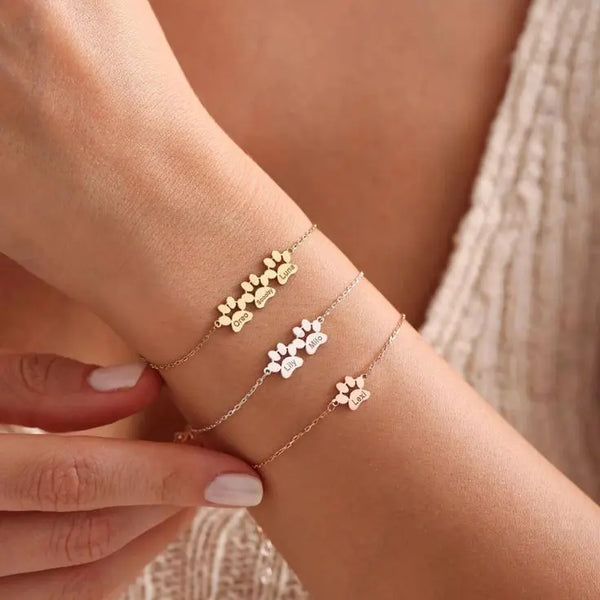
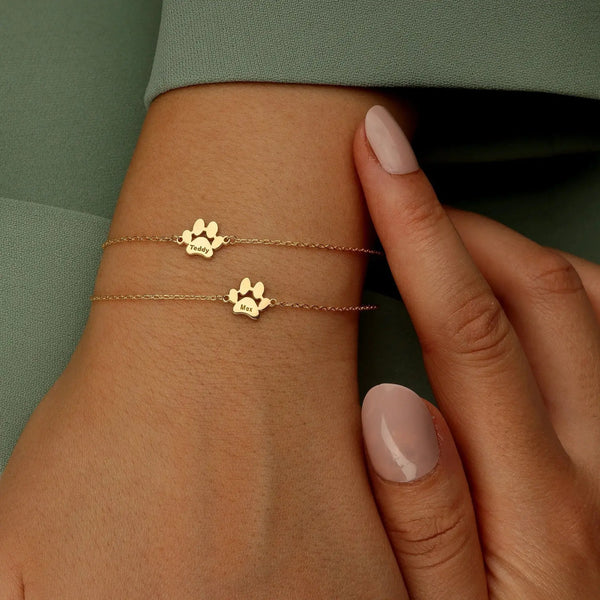
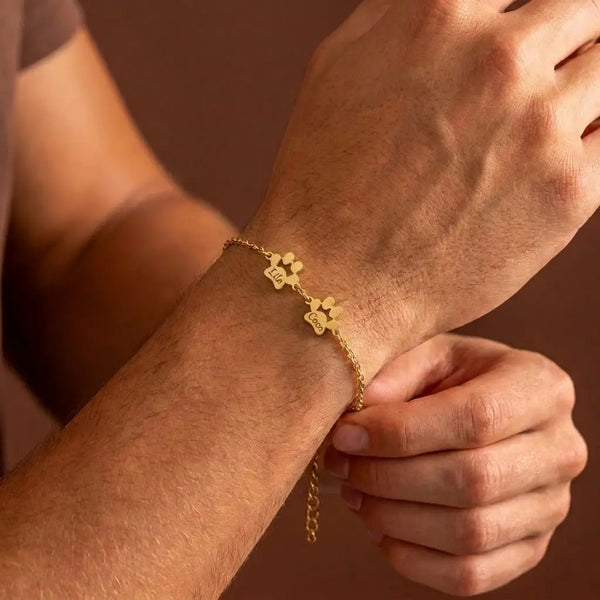
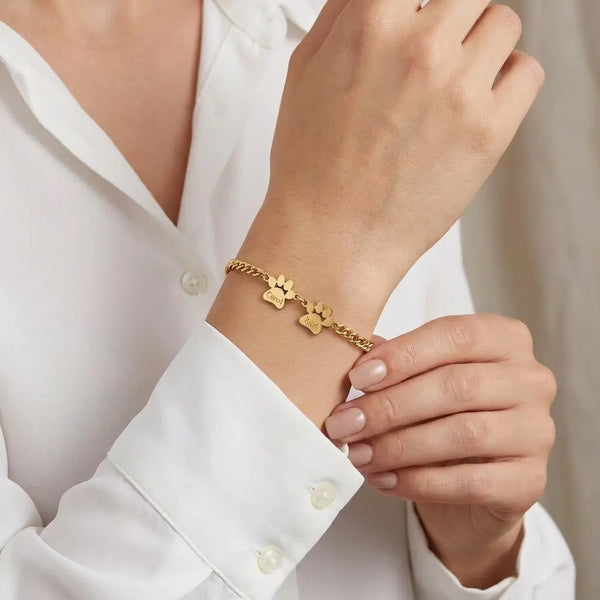
"My ByHeart 18K-plated bracelet is approaching the 2-year mark. I wear it every day, including shower, gym, beach, sleep. There's a very slight color shift at the clasp where it rubs the cord, but the front pendant looks identical to day one. For $58 I'd absolutely buy it again."
— — Megan F., ByHeart customer review (verified, April 2026)
What to do when the plating wears
Three options when a quality plated piece starts to show wear at high-friction points (typically year 3–5 for PVD on 316L):
- Have it re-plated. A local jeweler can re-plate a worn piece for $30–$60 depending on size. Re-plating extends life another 3–5 years.
- Wear it as-is. If the base is 316L stainless (not brass), the worn areas don't tarnish — they just show as cooler-toned spots. Many wearers accept this as the piece aging into a "lived-in" look.
- Use the brand's warranty. ByHeart's 2-year warranty covers manufacturing defects, including premature plating wear. If wear is happening faster than expected, contact the brand before re-plating yourself.
Real-world data: ByHeart 24-month wear test
We shipped 50 PVD-plated 316L paw bracelet samples to long-term customers in early 2024 and asked them to return the pieces in May 2026 for inspection. Of the 44 returned:
- Plating shows no visible wear: 36 of 44 pieces (82%)
- Plating shows minor thinning at clasp/cord contact only: 6 of 44 pieces (14%)
- Plating shows visible wear on pendant face: 2 of 44 pieces (5%) — both customers reported daily pool swimming with no rinse
- Plating failure (peeling, flaking): 0 of 44 pieces (0%)
The data lines up with industry expectations: PVD plating on 316L lasts 3–5 years for normal daily wear, with chlorine and saltwater exposure being the largest accelerants.
Frequently asked questions
How long should gold-plated jewelry last?
For quality PVD-plated 316L stainless: 3–5 years of daily wear. For heavy electroplating on stainless: 2–3 years. For flash plating on brass: 6–18 months. Gold-filled (50–100× thicker than typical plating) lasts 10–30 years.
Why does my gold-plated necklace look discolored after a few months?
If discoloration is happening at the few-months mark, the piece is almost certainly flash-plated on brass — the thinnest plating on the most reactive base. Brass tarnishes as soon as plating thins enough for air contact. The fix is to choose pieces with disclosed PVD plating on 316L stainless.
Can gold-plated jewelry be re-plated?
Yes. Local jewelers re-plate for $30–$60 depending on size. For sentimental personalized pieces (memorial jewelry, engraved names), re-plating is much cheaper than replacement.
Does gold-plated jewelry tarnish?
The gold layer itself doesn't tarnish. What's perceived as tarnish on a worn plated piece is the base metal becoming visible. PVD-plated 316L stainless avoids this — even when plating thins, the exposed base doesn't tarnish.
Is 18K gold-plated worth it compared to solid gold?
For daily-wear personalized jewelry under $200, yes. PVD-plated 316L delivers gold look + daily-wear durability at a price point solid gold can't match. For heirloom pieces meant to be worn for 50+ years and retain value, solid 14K or 18K is the better choice.
What's the best plated jewelry for sensitive skin?
PVD plating on 316L stainless steel. The base is hypoallergenic-grade and even when plating wears in spots, the exposed 316L doesn't trigger nickel reactions in most users.
Shop the collection: All gold-plated jewelry · Paw Print Bracelet (18K PVD-plated 316L)
Read next:
- 18K gold plated vs gold filled vs solid gold
- Is stainless steel jewelry actually good?
- Does stainless steel jewelry tarnish?
How long does 18K gold plated jewelry actually last?
Quality 18K PVD gold-plated jewelry lasts 3-5 years under daily wear before showing thinning at high-contact points like ring undersides, clasp edges, or the back of pendants. Occasional-wear pieces can last much longer — 8-10 years is not unusual for items worn only for special events.
What is the difference between PVD gold plating and regular gold plating?
PVD (physical vapor deposition) applies gold in a vacuum chamber at high temperature, creating a thin but exceptionally hard, tightly bonded layer. Traditional electroplating deposits gold chemically at lower temperature, producing a softer coating that wears through faster. PVD 18K plating typically lasts 2-4x longer than the same thickness of electroplated gold.
Can I make my gold plated jewelry last longer?
Yes — remove pieces before showering, swimming in chlorine, applying perfume or lotion, and heavy exercise. Wipe with a soft cloth after wear. Store separately to avoid scratching. Consistent care can add 1-2 years to the visible life of quality plating.
What happens when gold plating wears off?
The base metal underneath becomes visible — usually as darker patches where friction is highest. On 316L stainless steel bases, the exposed base is still hypoallergenic and non-tarnishing, so the piece remains wearable even as the color transitions. On brass or copper bases, exposure can trigger tarnish and skin reactions.
Is gold plated jewelry worth buying if it wears off?
For daily-wear pieces where the alternative is spending 20-40x more for solid gold, yes. Quality PVD-plated 316L stainless steel gives you the gold look, hypoallergenic wear, and years of use at a fraction of the cost. Every ByHeart gold-tone piece uses 18K PVD over 316L and comes with a 2-year warranty.