316L vs 304 Stainless Steel: What Grade Your Personalized Jewelry Actually Is
316L vs 304 Stainless Steel: What Grade Your Personalized Jewelry Actually Is
TL;DR
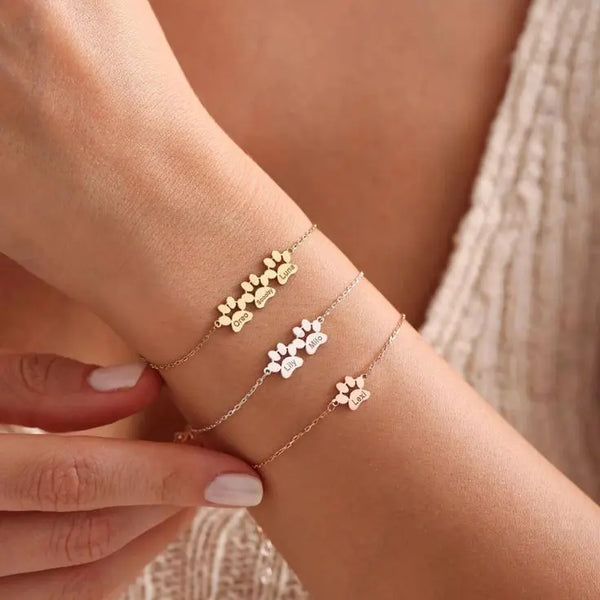
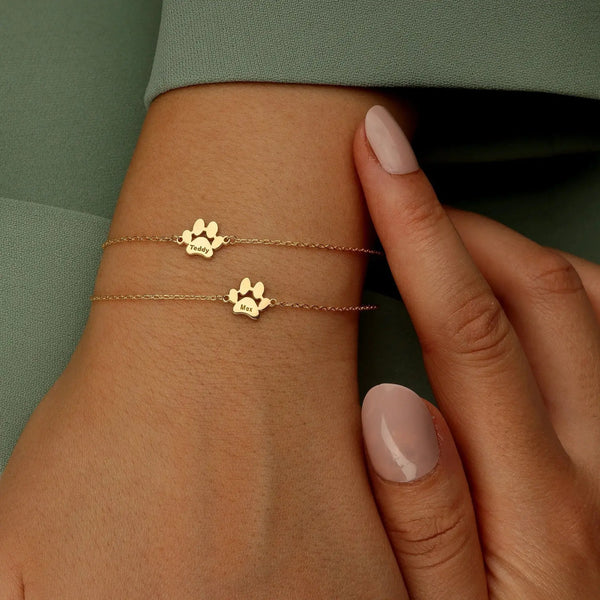
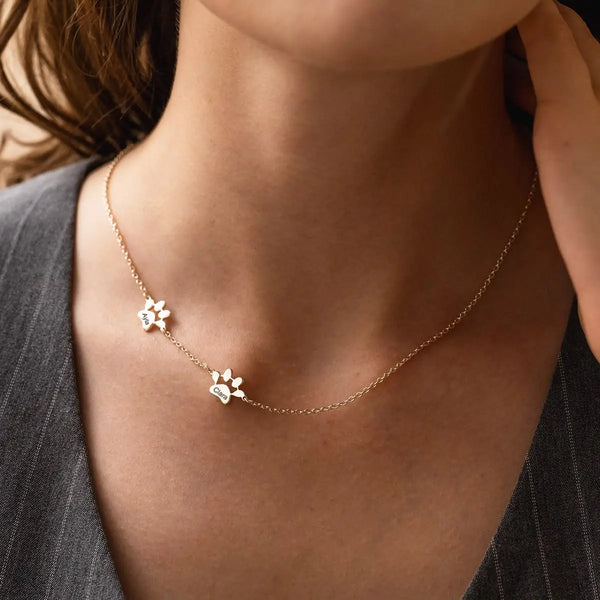
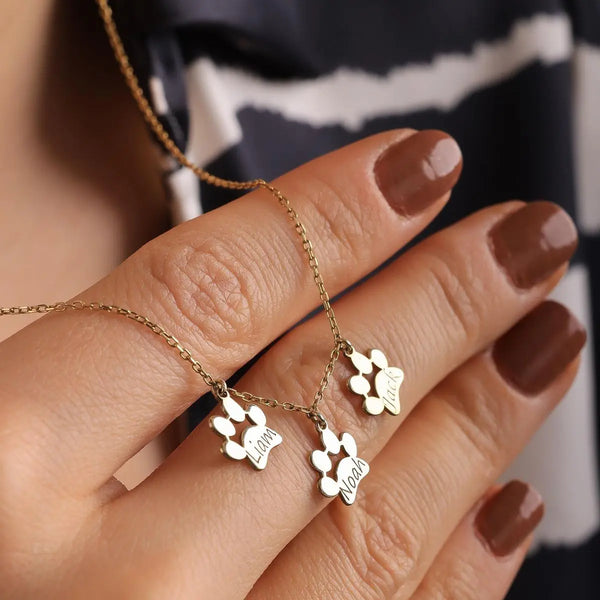
316L and 304 look identical in a product photo, but only 316L belongs on skin every day. 304 is what your kitchen sink is made of. 316L is what surgical implants are made of, thanks to 2 to 3 percent molybdenum that locks nickel into the alloy and stops corrosion at the engraving line. Every ByHeart piece is 316L stainless steel throughout, including the chain and clasp, hand-engraved, hypoallergenic, and covered by a 2-year warranty.
Most jewelry brands write stainless steel on a product page and stop there. There are dozens of grades of stainless steel, and the differences between them are not small. Two of them show up in jewelry — 304 and 316L. Only one of them belongs on your skin every day.
This is a straight comparison, without the marketing language, of what these two grades actually are, why the difference matters for skin contact, and what to check before you buy any stainless steel piece — from us or from anyone else.
What stainless steel is, in plain terms
Stainless steel is iron alloyed with chromium and, in most jewelry grades, nickel. The chromium is what makes it stainless — it forms a passive oxide layer on the surface that resists rust. Different grades have different percentages of chromium, nickel, and additional elements like molybdenum, and those percentages change everything.
The two grades that matter for personalized jewelry are 304 (also called 18/8) and 316L (also called marine grade or surgical steel). Both are corrosion-resistant. Only one of them is truly biocompatible.

What 304 stainless steel is used for
304 is the workhorse grade of stainless steel. It's what your kitchen sink is made of, what most restaurant equipment is made of, what most stainless steel cookware is made of. It contains roughly 18 percent chromium and 8 percent nickel. It's corrosion-resistant for indoor use and short-term water exposure.
Where 304 fails is prolonged skin contact and exposure to chloride environments — saltwater, sweat, chlorine. Over time, 304 in constant skin contact can develop pitting, discoloration, and — critically for people with sensitive skin — nickel leaching. It's not immediately dangerous, but it's not designed for what jewelry asks it to do.
You'll find 304 in a lot of inexpensive fashion jewelry. It looks the same as 316L. The difference doesn't show up until you've worn it every day for a year.
What 316L stainless steel is used for
316L is what surgical implants are made of. Hip replacements. Bone screws. Piercing jewelry designed to be left in the body for months. Marine hardware exposed to salt spray. Pharmaceutical processing equipment.
It contains roughly 16 to 18 percent chromium, 10 to 14 percent nickel, and — this is the key ingredient — 2 to 3 percent molybdenum. Molybdenum is what dramatically increases resistance to pitting corrosion and chloride attack. The L stands for low carbon, which prevents the steel from becoming brittle after welding or engraving.
Because 316L is biocompatible enough to be implanted in the human body, it's safe for continuous skin contact even for people with metal sensitivities. This is why 316L is the standard for personalized jewelry sold to the sensitive-skin market.
The nickel question, seriously answered
316L contains more nickel than 304 by percentage, which sounds counterintuitive if you're avoiding nickel allergies. The reason it's still safer is chemistry, not percentage.
Nickel in 316L is chemically locked into the austenitic crystalline structure by the molybdenum. It doesn't migrate to the surface. It doesn't leach when exposed to sweat and salt. The EU Nickel Directive limit for direct-contact jewelry is 0.5 micrograms per square centimeter per week — 316L falls well below this threshold in normal wear.
304, by contrast, releases more nickel over time in chloride environments (sweat, humidity) because it lacks the molybdenum stabilizer. This is why people with mild nickel sensitivity can wear 316L piercings and implants for years without issue but react to cheaper stainless steel earrings within weeks.
What our pieces are made of, specifically
Every piece we make is 316L stainless steel. Not 304. Not stainless steel unspecified. Not surgical-grade steel as a vague marketing phrase. Specifically 316L. This is the grade that survives daily wear, showers, sweat, saltwater, and years of continuous skin contact without discoloration or degradation.
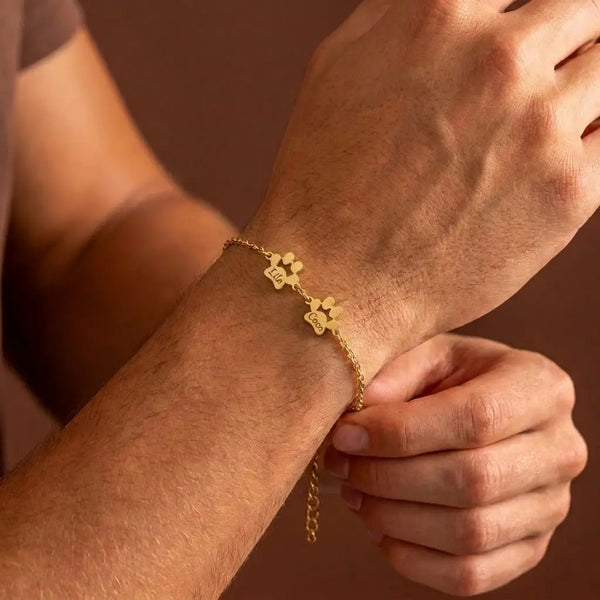
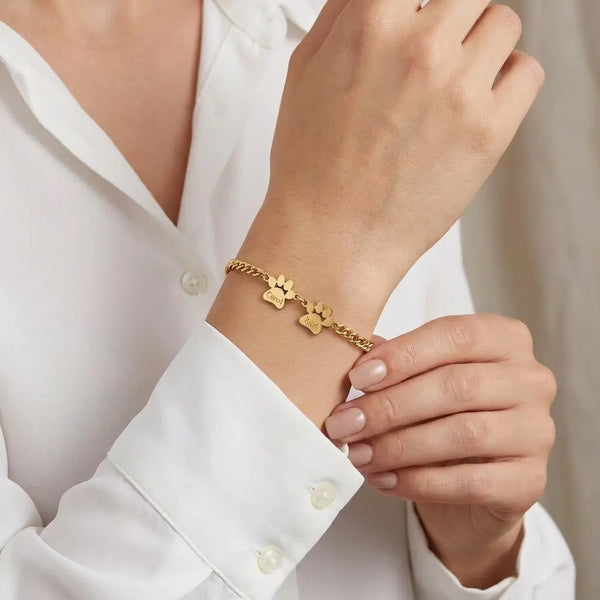
The bracelets, necklaces, and pendants use 316L for the entire piece — chain, pendant, clasp. This matters because clasps and small links are where cheaper brands cut costs. A 316L pendant on a 304 chain is still going to develop a green tarnish line where the chain meets the skin. Every component of our chains is the same grade.
Why grade matters for engraving specifically
Personalized jewelry gets engraved, which exposes the interior structure of the metal. On 304, this creates a corrosion vector — the engraved surface is more chemically active than the passive outer surface, so sweat and moisture can attack it. Over months of wear, the engraving on 304 can develop a rust halo.
On 316L, the interior structure is essentially as corrosion-resistant as the surface, because the molybdenum works throughout the alloy. Engraving on 316L stays sharp and clean-edged for years. This is why our engraving still reads clearly on pieces we made years ago that have been worn every day since.
How to tell what grade a jewelry piece is
Most brands don't publish the grade. If you're comparing pieces, the questions to ask:
- Is the grade stated explicitly? If it says stainless steel without a grade number, assume 304 unless the brand can confirm otherwise.
- Is the piece rated for continuous skin contact? A brand that stands behind its steel will confirm this in writing.
- Is it marketed for sensitive skin? This is a soft signal — some brands overclaim — but reputable sensitive-skin jewelry is almost always 316L.
- Does the price make sense? 316L costs meaningfully more than 304 as raw material. A stainless-steel bracelet priced under a certain point almost certainly isn't 316L.
What both grades share
To be fair to 304: it's a real material with real uses. It's not dangerous. If you buy a 304 fashion piece and wear it occasionally, it will be fine. The issues are cumulative and specific to daily contact.
Both grades don't rust in normal room conditions. Both take PVD coating well. Both engrave cleanly. Both are recyclable. The gap opens up with time and skin — the two things personalized jewelry is designed to endure.

The care difference in practice
316L jewelry basically needs no care. Shower with it. Sleep in it. Wash your hands with it on. Occasional rinse with warm water and a soft cloth if it looks dusty. That's it. There's no break-in period, no polishing schedule, no anti-tarnish spray required.
This is why we chose it. Personalized jewelry gets worn every day, often for years, often by people who don't want to think about care routines. 316L holds up to that assumption.
How to order
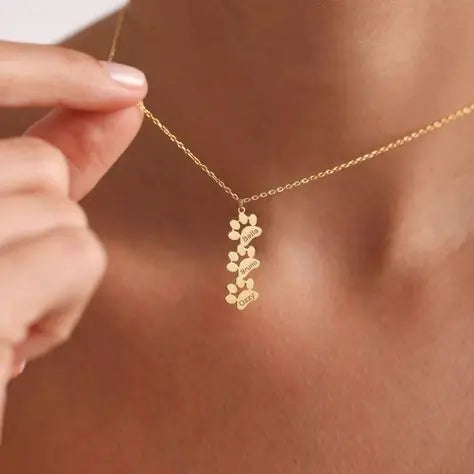
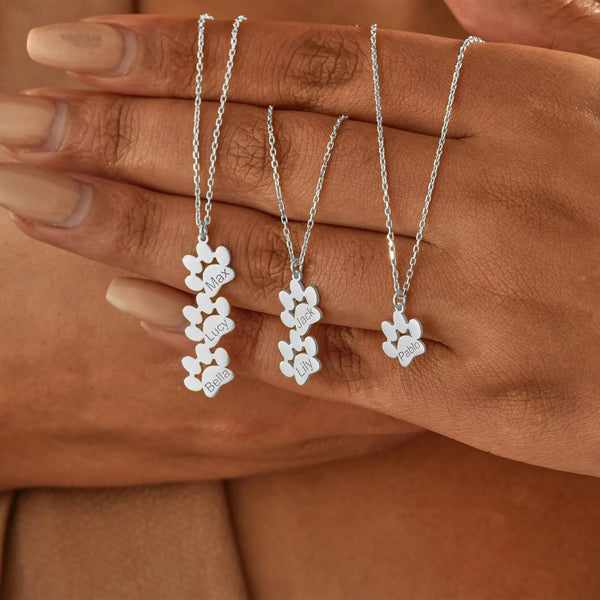
Every piece on our site is 316L stainless steel throughout, engraved by hand, with PVD gold or rose gold plating where applicable. Choose the piece, add your engraving, and check out. Ships in brand-neutral gift packaging.
Frequently Asked Questions
How can I tell what grade my current stainless steel jewelry actually is?
If the brand does not state the grade explicitly, it is almost always 304. Real 316L brands publish the grade on the product page and confirm it in writing on request. Price is another signal: a stainless-steel bracelet under about $20 is almost certainly not 316L, because the raw material costs meaningfully more.
Is "surgical steel" the same as 316L?
Not always. "Surgical grade" is a marketing phrase with no legal definition in most countries, so some brands use it to describe 304 too. The only precise answer is the grade number itself. If a brand cannot give you a number, treat the phrase as decorative.
Will 316L stainless steel jewelry turn my skin green?
No. Green skin marks come from copper leaching out of brass or bronze bases. 316L has no copper base and no plating that can wear through to one. Even people with nickel allergies typically wear 316L without reaction, because the nickel is locked into the alloy and does not migrate to the surface.
Can I shower, sleep, and swim in 316L jewelry?
Yes on all three. 316L is corrosion-resistant in fresh water, sweat, and chlorine at normal exposure levels. Long soaks in hot tubs and daily ocean swimming will shorten the life of the surface finish over years, but for daily wear including showers, sleep, workouts, and hand-washing, 316L is designed for it.
Does the engraving hold up on 316L over time?
Yes. Because the molybdenum works throughout the alloy, the interior structure exposed by hand-engraving is as corrosion-resistant as the outer surface. There is no rust halo around the letters, no darkening over years, and no fading. Every ByHeart piece is hand-engraved into 316L and comes with a 2-year warranty on structural defects.