Médaillons photo personnalisés : une façon moderne de garder ses souvenirs près du cœur
TL;DR
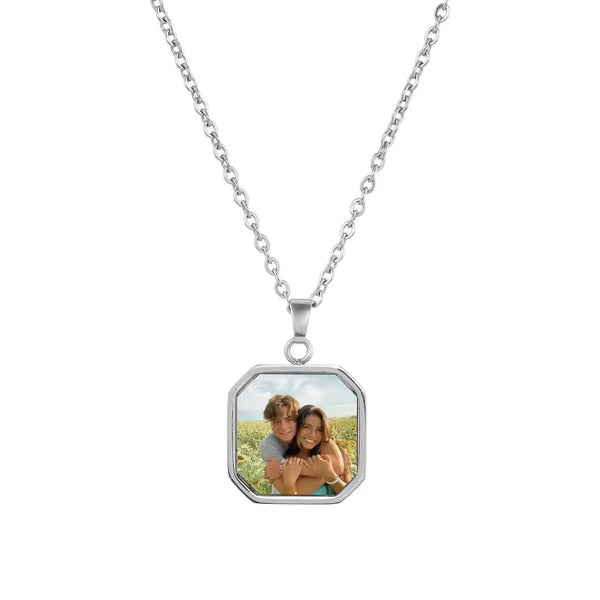
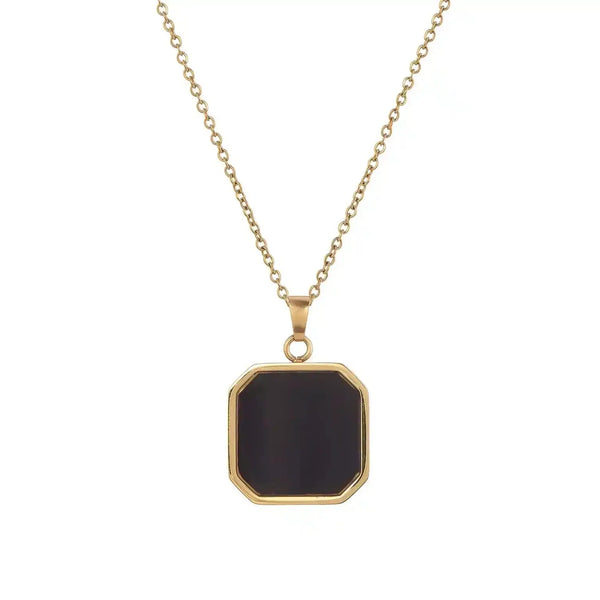
The custom photo locket has quietly reinvented itself. Modern versions use micro-lens projection to hide a full image inside a pendant no bigger than a coin — you look through the lens toward light and the picture appears. Traditional open lockets still exist, alongside engraved and color-printed photo pendants. The right choice depends on how visible you want the image to be and how you plan to wear the piece. All ByHeart photo lockets are 316L stainless steel and built for daily wear, with a 2-year warranty.
The photo locket has been around since the early 1800s, when miniature portraits were sealed inside pendants worn close to the heart. The format never really disappeared — it just went quiet. Today, the locket has reinvented itself in two main directions: the hidden image style (visible only when you look closely) and the photo projection style (visible only when held up to light).
This guide walks through what's available now, how to choose, and how to make sure the photo inside stays sharp for decades.
The two modern locket formats
1. Hidden photo lockets
The outer pendant looks like regular jewelry — a heart, a circle, a teardrop. Inside, sealed behind a small aperture, is the photo. Hidden lockets read more like sentiment than statement: nobody else sees the image without being invited.
The secret photo necklace is the most popular hidden-image format. It works as everyday jewelry because the photo isn't visible from the outside.
2. Photo projection lockets
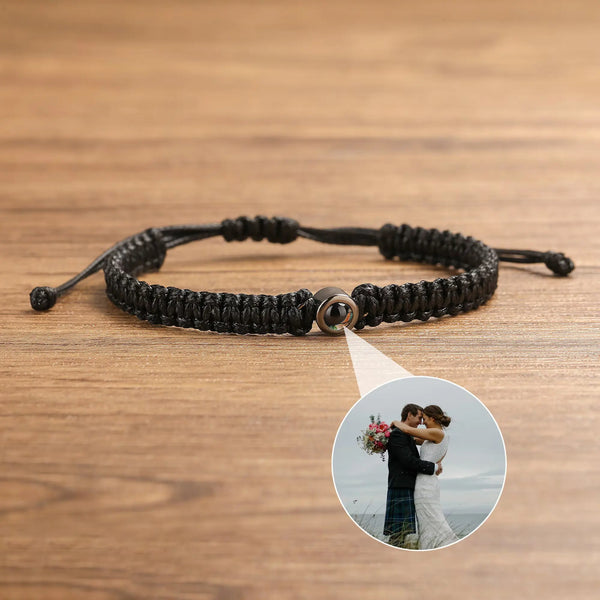
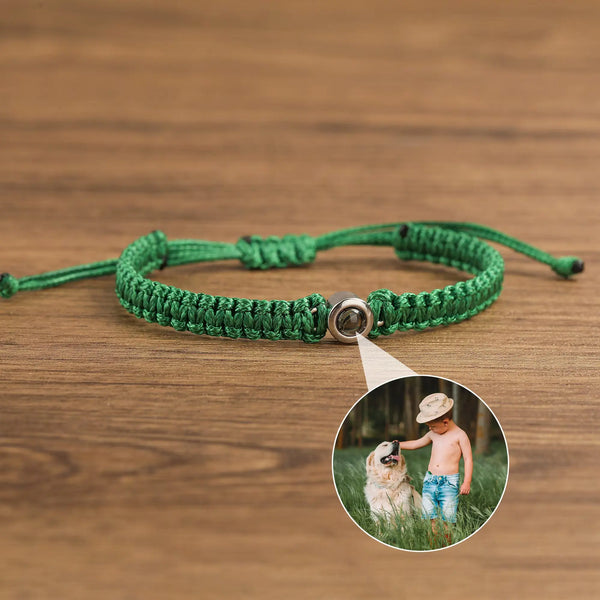
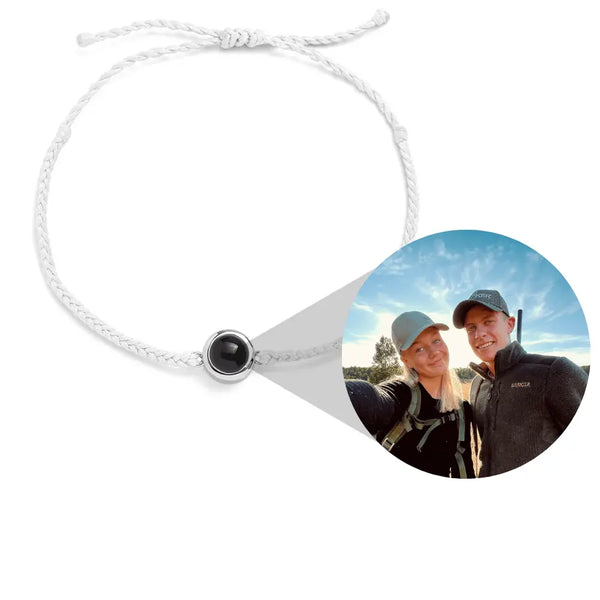
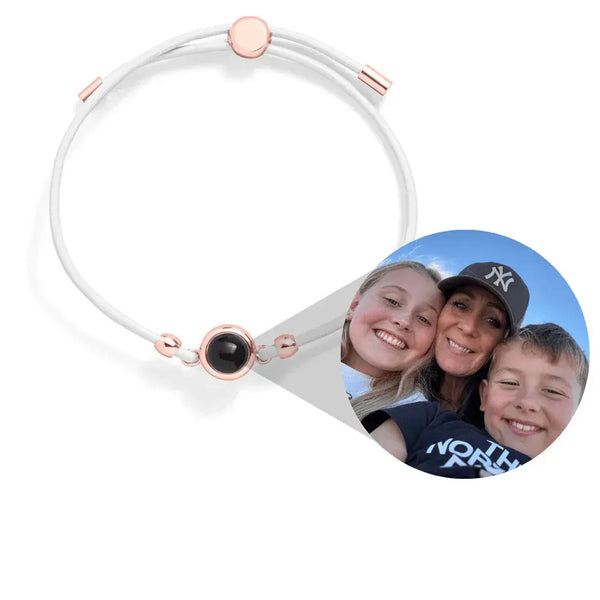
The optical descendant of Victorian Stanhope lenses. A tiny image is bonded to a micro-lens inside the charm, magnified so that when you hold it up to bright light and look through the small viewing point, you see the full photo at apparent normal size.
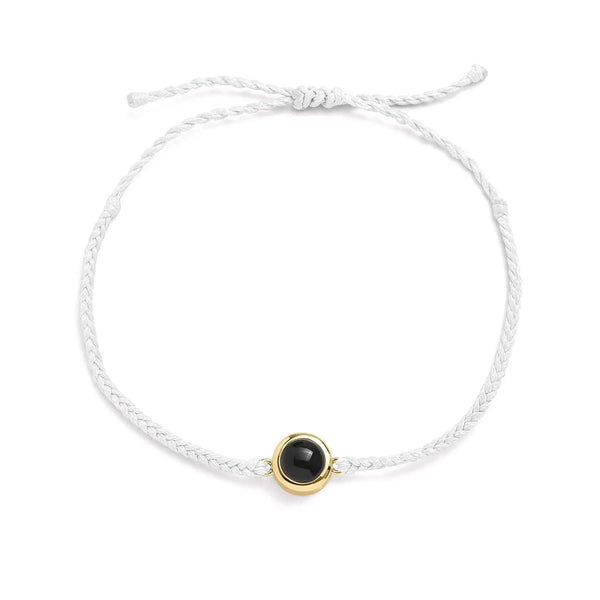
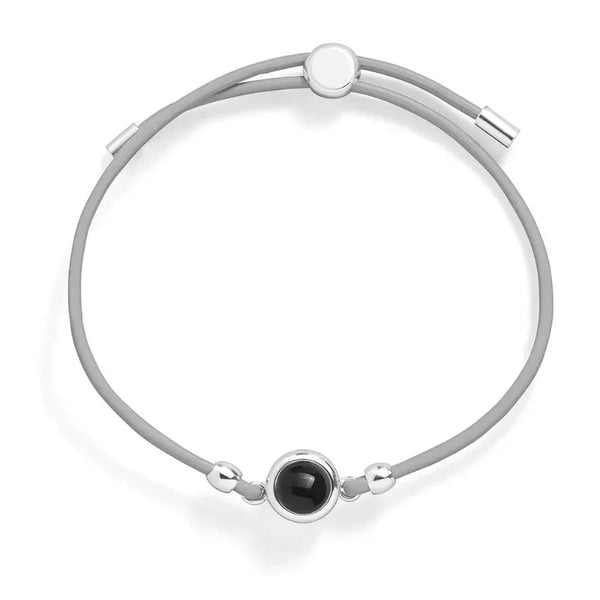
The photo projection necklace is the classic format. The projection bracelet and the projection keychain use the same optical technique in different jewelry formats.

Why modern lockets are different
Today's lockets solve three problems that plagued the format historically:
- Image fading. Modern micro-printing under a sapphire-style lens preserves the photo indefinitely. Old lockets used ink prints that yellowed within decades.
- Bulk. Traditional lockets were thick because they housed a hinged front and back. Modern projection charms hold a full image in a charm just a few millimeters across.
- Replaceability. Historical lockets opened so the image could be swapped. Modern sealed designs trade that flexibility for waterproofing and longevity. Choose the photo carefully — it stays.
How to choose the right photo
This is the single biggest determinant of how much you'll love the piece. Three rules:
- Tight crop, single subject. Group photos lose detail. A close-up of one face, one pet, or two faces together always reads better than a wide shot.
- Bright, even light. Daylight photos project clearly. Dim indoor shots tend to disappear into shadow.
- Sharp focus. Slight blur in the original becomes significant blur in the micro-print. If the photo isn't crisp on your phone screen, choose a different one.
One quick test: look at the photo on your phone at 100% zoom. If it still reads clearly, it'll work in a locket. If it gets soft, it won't.

What's inside a modern locket
- A high-resolution photo, printed at micro-scale
- A clear sapphire-style lens (magnifier or window)
- 316L stainless steel sealed housing
- Optional outer design — heart, paw, oval, round, teardrop
The sealed housing means modern lockets are waterproof against everyday exposure (showers, rain, sweat). The internal photo doesn't get wet because it's protected behind the lens.
Locket formats compared
| Format | How you see the photo | Best for |
|---|---|---|
| Hidden photo necklace | Small visible aperture, intimate viewing | Daily wear, quiet sentiment |
| Projection necklace | Hold up to light, look through lens | Reveal moments, gifting |
| Projection bracelet | Same lens technique on wrist | Bracelet wearers, daily glance |
| Projection keychain | Pocket-carried, hold to light | People who don't wear jewelry |
| Paw + photo combo | Outer paw, inner photo lens | Pet parents |
Care guide
- Wipe the lens occasionally. Fingerprints and lotion build-up dim the image — a microfiber cloth restores brightness.
- Avoid prolonged saltwater. Long ocean exposure can degrade outer plating. Showers, rain, sweat, and pool water are fine.
- Don't try to open the charm. The seal protects the photo. Opening breaks lens alignment.
- Store in a dry place. Humidity affects plating over years, not days — but a small jewelry pouch is the best long-term home.
FAQ
Can I change the photo inside the locket later?
Modern sealed lockets are fixed at production. The trade-off is permanent image preservation against fading. Choose the photo carefully.
Will the photo fade over time?
Sealed under a sapphire-style lens and protected from light and air, the image stays sharp indefinitely.
Are these lockets waterproof?
Yes for everyday exposure (showers, rain, sweat, pool water). Extended saltwater can degrade outer plating; the internal photo is protected.
How do I get the photo to me before ordering?
Upload directly during checkout. The team will preview the image before production and reach out if anything needs adjusting.
How long does production take?
Photo-based pieces take a few days longer than standard engraving — usually 2–4 days — because of the micro-printing step.
The keepsake that travels with you
A photo locket isn't loud. It doesn't ask to be noticed. But it sits close to you all day, holding the image of someone or something that matters — quietly, reliably, always within reach. Browse the full photo jewelry collection to find yours.
Frequently Asked Questions
What is a modern photo locket?
Modern photo lockets include hidden-lens projection styles, laser-engraved portrait pendants, and color-printed photo charms — not just the hinged two-sided lockets of previous decades. The category has expanded to include multiple ways of carrying an image, each with a different balance of privacy and visibility.
How does a projection locket differ from a regular locket?
A regular locket opens on a hinge and shows the photo when unfolded. A projection locket keeps the photo permanently sealed inside behind a tiny lens — you look through the lens to see the image, and it stays private the rest of the time. Projection pieces do not open or lose photos.
Can I put multiple photos in a custom locket?
Traditional hinged lockets can hold two small photos, one on each inner face. Projection lockets typically hold one image per pendant, but you can order multiple pieces if you want to carry several photos. Engraved photo pendants are single-image by nature.
How do I care for a photo locket?
Wipe with a soft dry cloth after wear. Handwashing and rain are fine — 316L stainless steel does not corrode. Avoid prolonged soaking in chlorine or salt water, and skip ultrasonic cleaners on any locket-style piece. Store in a dry pouch to reduce scratches on the lens or engraved surface.
How long does a custom photo locket last?
Well-made photo lockets last decades — sealed projection slides from the 1800s still show clear images today. Modern engraved photo pendants last as long as the metal itself, since the image is etched into the steel rather than printed on top. Every ByHeart photo locket is 316L stainless with a 2-year warranty, and free shipping applies to any order of two or more.