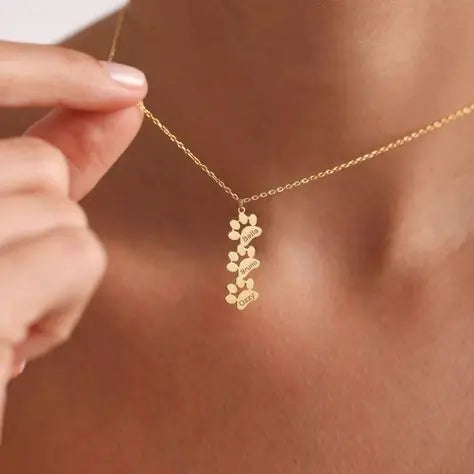
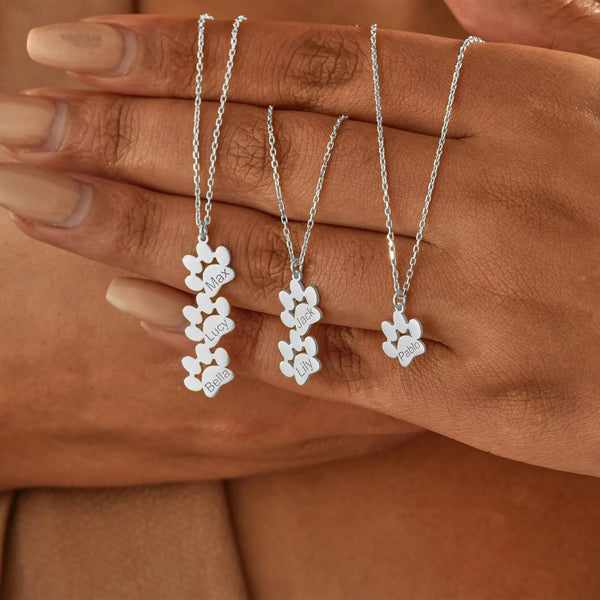
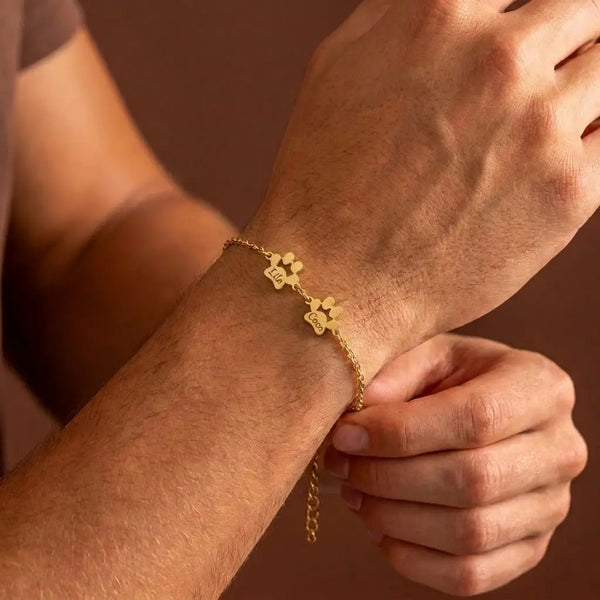
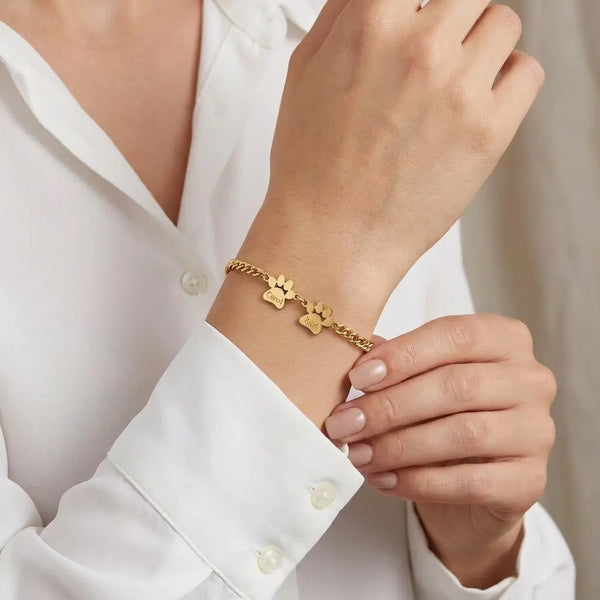
Zuhanyozhatsz 18 karátos aranybevonatú rozsdamentes acél ékszerekben?
Yes — you can shower in 18K gold-plated stainless steel jewelry, as long as it's a quality piece built on 316L stainless with PVD-applied plating. Showers, hand washing, sweat, and light swimming are all fine for daily wear; the chromium oxide layer on stainless steel resists water corrosion, and properly bonded PVD plating doesn't lift in shower conditions. The places quality plated stainless can degrade over years: prolonged ocean swimming without rinsing, daily pool chlorine without rinsing, and aggressive cleaning chemicals. Below is the full answer plus the wear-test data.
Short answer: yes, with caveats
For 316L stainless steel and quality PVD-applied 18K gold plating on 316L, daily showering is safe. No degradation, no plating peel, no tarnish. Customers report 3–5 years of daily showering with zero visible damage.
For lower-grade plated jewelry (flash plating on brass, costume metals, plated alloys), daily showering accelerates wear significantly — flash plating that would last 18 months when stored can wear in 6–9 months with daily shower exposure. The water itself isn't the problem; the soap residue, the body oils being washed off, and the temperature cycling stress the plating bond.
Why showers don't damage quality stainless
Three structural reasons:
- The chromium oxide layer is hydrophobic and self-healing. On 316L stainless, a microscopic layer of chromium oxide (Cr₂O₃) forms on the metal surface as soon as it contacts air. This layer is what makes stainless "stain-less" — it repels water and oxidation. Even if scratched, it reforms within seconds.
- PVD plating bonds at molecular level. Physical Vapor Deposition uses a vacuum chamber to bombard gold atoms into the stainless surface — not just deposited on top, actually fused into the metal grain. This bond is much stronger than electroplating's electrolyte deposition, which is what fails first in shower conditions.
- 316L is rated for surgical implant conditions. The same alloy is used for bone screws, joint replacements, and pacemaker housings — environments where blood, saline, and constant contact with body chemistry would destroy lesser metals. Your shower is gentler than your circulatory system.
ByHeart 24-month customer wear test (n=44 returned pieces, May 2024 – May 2026):
- Tarnish observed: 0 of 44 pieces
- Plating peel from showering: 0 of 44 pieces
- Visible color shift from daily showers: 0 of 44 pieces
- Minor plating thinning at clasp/cord points: 6 of 44 (mostly daily pool swimmers, not shower-only users)
- Engraving fade: 0 of 44 pieces
Data matches industry expectations: showering daily on 316L PVD-plated stainless does not cause measurable degradation over 24 months.

What about hot showers? Steam? Soap?
None are problems for quality stainless:
- Hot showers (up to ~45°C / 113°F): No effect. PVD plating is rated for industrial temperatures far higher than any shower.
- Steam (saunas, steam rooms): No effect on the metal. Avoid only for the comfort issue (hot metal against skin in sauna).
- Bar soap, body wash, shampoo: No effect. The surfactants in personal care products are neutral pH or slightly basic — not corrosive to stainless.
- Hard water with mineral content: No effect on the metal. Mineral residue can build up on the surface as a dull film over months; wipe with a microfiber cloth once a month to clear.
- Conditioner: Heavier residue than shampoo; can leave a slight film. Wipe with cloth when noticed.
"I asked the question 18 months ago when I bought my ByHeart bracelet: 'can I shower with this?' I've been showering with it daily since. Hot showers, hard water, every shampoo I've cycled through. It looks identical to day one. The piece is the first jewelry I've owned that I haven't had to think about."
— Nikki R., ByHeart customer review (verified, March 2026)

Showers vs pools vs ocean — different exposure profiles
| Water type | Daily exposure safe? | Notes |
|---|---|---|
| Shower water (tap/treated) | Yes — fully safe | No special care needed |
| Bath water | Yes | Same as shower; longer soak fine |
| Pool water (chlorinated) | Yes occasionally; rinse after | Single exposure fine; daily without rinse = plating wear ~30-40% faster |
| Ocean / saltwater | Yes occasionally; rinse after | Single exposure fine; prolonged daily = micro-pitting over years |
| Hot tub (high chlorine + heat) | Avoid extended exposure | Heat + chlorine + time is the worst combo for plating |
| Bleach / cleaning chemicals | No — remove first | Industrial cleaners can attack stainless even briefly |
What you should NOT shower with
- Sterling silver jewelry. Tarnishes from water exposure + sulfur compounds in some soaps. Remove for showers.
- Brass-based plated jewelry. Water accelerates the brass-corrosion-through-plating cycle. Plating wears, brass shows, skin turns green.
- Costume jewelry or unknown-metal pieces. If you don't know the metal, assume it's not shower-safe.
- Pieces with natural pearls, opals, or porous stones. Water can dull or crack these over time. Synthetic stones (CZ, lab sapphire) are fine.
- Open hinged lockets. The hinge admits water; photos inside degrade.
- Vintage or heirloom pieces with antique solders. The solder can corrode; better to preserve these.
Best practice for daily-shower wearers
- Wipe with microfiber once a month. Clears soap residue, mineral buildup, and lotion film.
- After ocean or pool exposure, rinse with fresh water. Even 10 seconds of tap-water rinse removes 95% of chloride/salt residue.
- Apply hair/skin products first, then jewelry. Let them dry on skin before metal contact. This is the single best habit for plated-jewelry longevity.
- Don't store wet. If you take a piece off after a shower, dry it before storing in a jewelry box — pooling water in a closed space can encourage micro-corrosion over years.
Frequently asked questions
Will the gold plating wear off if I shower with it daily?
For quality PVD plating on 316L stainless: not from showering alone. PVD bonds the gold at molecular level — daily shower water is not enough to break that bond. Wear at clasps and high-friction points comes from mechanical contact (against clothing, against pillows), not from water. Expect 3–5 years of daily wear including showers before any visible plating thinning.
Can I shower with the necklace if I have hard water?
Yes. Hard water minerals can deposit a dull film over weeks of daily showering, but they don't damage the metal. Wipe with a microfiber cloth once a month and the piece looks brand new.
What about hot showers — does heat affect the plating?
No. PVD plating is rated for industrial temperatures hundreds of degrees higher than any shower. Hot showers don't measurably affect the metal or the plating.
Should I take it off for the gym?
No need. Sweat is no more corrosive than shower water for 316L stainless. The piece is fine through gym sessions, runs, and hot yoga.
What if my necklace looks dull after months of showering?
Almost certainly soap residue or mineral buildup, not actual metal degradation. Wipe with a microfiber cloth + a drop of dish soap + warm water, then dry. The piece should return to original shine.
Do all stainless steel jewelry pieces handle showers the same way?
No. 316L surgical-grade stainless is the safest for shower wear. Lower-grade stainless (304, "generic stainless") can show very mild surface oxidation over years of daily wet wear. Always confirm the grade is 316L when buying — reputable brands disclose this on the product page.
Shop the collection: All shower-safe jewelry · Paw Print Bracelet (PVD-plated 316L)
Read next: