Anticipatory Grief Jewelry: Wearing Something Before You Lose Them
Anticipatory Grief Jewelry: Wearing Something Before You Lose Them
TL;DR
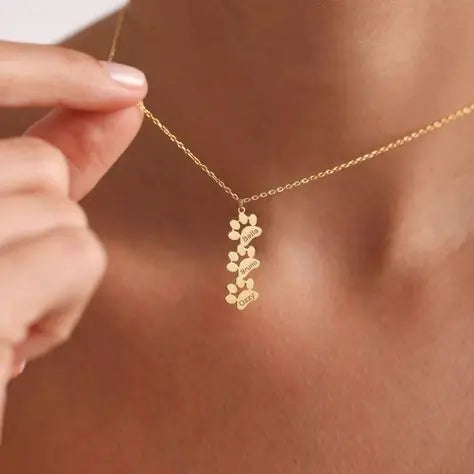
Anticipatory grief is the mourning that starts before someone dies, and jewelry ordered during this period is different from memorial jewelry ordered after. Ordering while the person is still here lets them choose the engraving, give you a fingerprint or handwriting sample, and hand you the piece themselves. Fingerprint engravings, handwriting, shared initials, and matching family sets are the most requested pieces during hospice and terminal illness. Every ByHeart piece is 316L stainless steel, hand-engraved, and ships in brand-neutral packaging within about 5 to 12 days depending on country.
There is a specific kind of grief that begins before someone dies. It starts with a diagnosis, a hospice referral, a doctor's face across a desk. You are already mourning a person who is still holding your hand. The clinical term is anticipatory grief. Most people who feel it don't have a word for it.
Jewelry made during this period is different from jewelry made after. It's not memorial. It's not yet. It's something else — a small, wearable acknowledgment of a love that is being held and let go of at the same time.
Why some people choose to order before the loss
The common assumption is that memorial jewelry is ordered after someone dies. In practice, a meaningful percentage of orders come from people whose loved one is still alive — sometimes still conscious, sometimes still able to see the piece and touch it. There are reasons.
Ordering during a terminal illness lets the person you're losing be part of the piece. They can choose the engraving. They can give you a fingerprint or a paw print or a handwriting sample while they still can. They can hand you the piece themselves and put it on your wrist. This becomes a memory that would not exist if you waited.
It also gives you something to do with your hands during a period when there is very little you can control. Choosing a piece, choosing a phrase, waiting for it to arrive — this is small and grounding when everything else is not.

What to engrave when the person is still here
Engraving during anticipatory grief can be a shared decision, which changes what feels right. Here are engravings we see families choose together during hospice and terminal illness periods:
- Their handwriting — a signature, a phrase they always said, or a note they wrote to you. We can engrave from a photo of their handwriting. Ask now, while they can write it clearly.
- Their exact words — the phrase they always used to close a phone call, the thing they said when you were leaving the house as a kid.
- Both of your initials on one piece — a small statement that this piece belongs to both of you, not only to you after they're gone.
- Their birthstone alongside yours — a way of saying you are still here, and I am still here, and we are still together.
- A word or nickname only they used for you — something no one else will call you after they're gone.
- Their birth year, no death year — for people who don't want to imagine adding it later.
- A phrase from a shared language or dialect — words that translate poorly but mean everything between you two.
Fingerprint and handprint engravings
A fingerprint or handprint is one of the most requested engravings during a terminal illness, because it can only be captured while the person is alive. Hospices will often take a print for the family on request — ask the hospice social worker or nurse if you haven't yet. Home hospices can also help.
Once you have a print, we can engrave it into a bracelet, pendant, or the interior of a locket. The line quality of a real fingerprint holds up on stainless steel because our engraving is precise enough to preserve the ridge pattern. This is often the piece a family member wears for the rest of their life.
Gifting a piece to the person who is leaving
Sometimes the piece is not for you — it's for them. People in hospice care and long terminal illnesses often report feeling like a burden, or feeling like they are already being forgotten. Giving them a piece of jewelry — a bracelet with your name on it, an initial pendant, a small locket with a photo of the two of you — can be a way of saying I am carrying you, and I want you to see it.
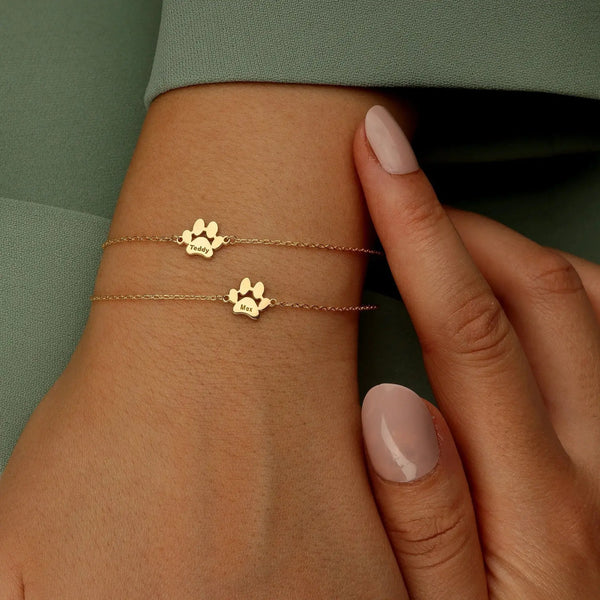
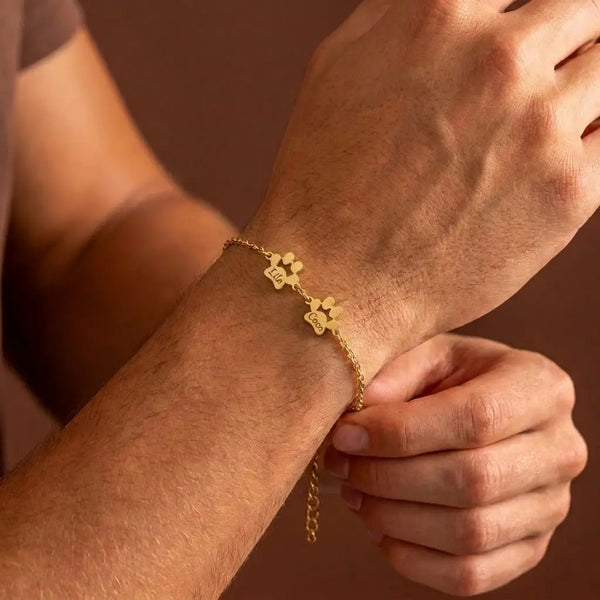
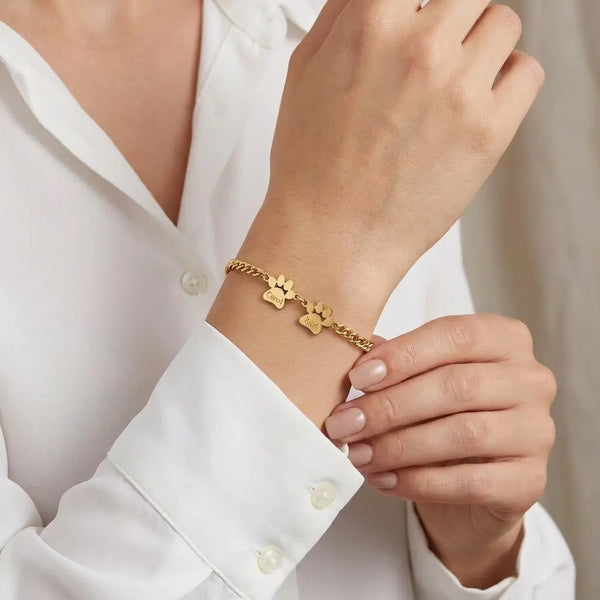
Our pieces are lightweight enough for someone who has lost muscle mass to wear comfortably. The bracelets have adjustable sizing. If the person is in a care facility, choose a piece that is easy for a caregiver to put on and take off — our slide-clasp bracelets work well for this.
Matching pieces for a family in caregiving
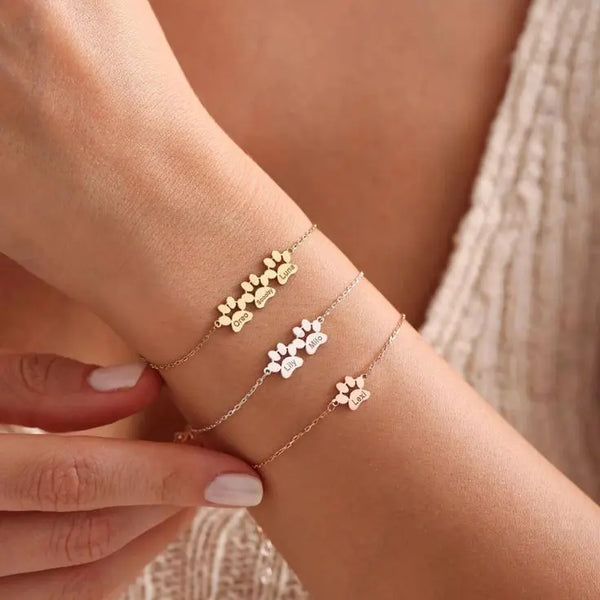
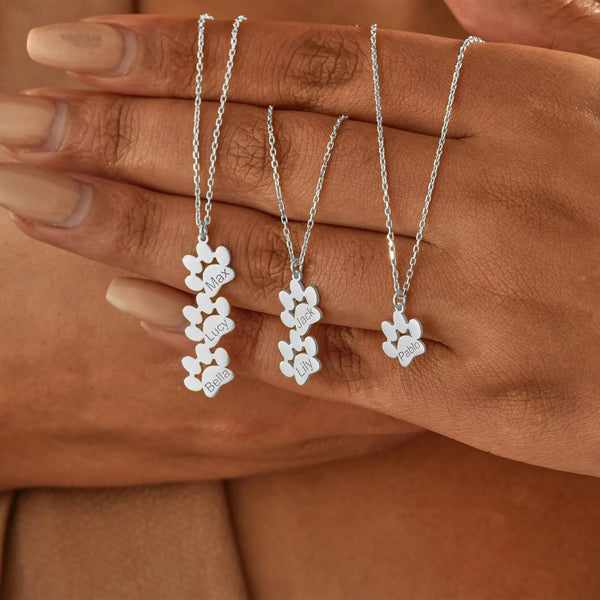
Families going through a long terminal illness often order matching pieces — one for the mother, one for each adult child, one for the person who is dying. This creates a small physical network that says we are in this together. It becomes something the family looks at during the funeral, and something the family passes down.
The most common family orders during anticipatory grief are three to six identical pieces, each engraved with the same phrase or initial. We can engrave them all in the same batch so the engraving depth and font weight match perfectly across pieces.
What to do with the piece after
Some people take the piece off after the person dies, because it becomes too much to wear. Others wear it more often. Both are healthy. There is no correct response to a piece that was once about anticipation and is now about memory.
If you take it off for a while, our stainless steel and PVD pieces store safely in the original box for years and will look the same when you put them back on. The engraving does not fade. The plating does not tarnish. Grief moves. The piece waits.

When to order
The most common regret from people who ordered during hospice is not ordering earlier. Engraving, packaging, and shipping take about 5 to 12 days depending on your country. If you're reading this and someone you love is in a period of decline, ordering now means the piece can arrive while they're still here to see it — and, more importantly, while they can still be involved in choosing what goes on it.
How to order
Choose the piece that feels right, add your engraving in the box on the product page, and check out. If you'd like to send us a handwriting sample or fingerprint image to engrave, add it in the order notes and we'll follow up by email. Every piece is engraved by hand and ships in brand-neutral gift packaging.
Frequently Asked Questions
How do I get a fingerprint from someone in hospice care?
Ask the hospice social worker or nurse directly. Most hospices, both facility-based and home hospice, can take a print for the family on request, and many keep ink pads and forms on hand specifically for this. Once you have the print, send us a clear high-contrast photo of it in the order notes and we hand-engrave the ridge pattern onto the piece.
Is it strange to order memorial jewelry before someone has died?
No. A meaningful share of our orders come from families during hospice or a terminal diagnosis, and the most common regret we hear is not ordering earlier. Ordering now gives you time to involve the person in choosing what goes on the piece, which becomes a memory that would not exist otherwise.
How should I bring up the idea of a piece with someone who is dying?
Most families describe it as a shared conversation about what they want remembered, not a conversation about dying. Choosing a phrase, a nickname, or a handwriting sample together often feels grounding for both people. If the person is not able to participate, choosing on their behalf is also common and appropriate.
What if I want to give the piece to the person who is leaving, not keep it for myself?
This is common and often deeply received. People in long terminal illnesses frequently describe feeling like a burden or feeling already forgotten, and a bracelet with your name on it or a small locket with a photo of the two of you can be a way of saying you are being carried. Our slide-clasp bracelets work well for someone in a care facility because they are easy for a caregiver to put on.
Will the piece last if I put it away for years after the loss?
Yes. Our 316L stainless steel and PVD coating store safely in the original box indefinitely, and the engraving does not fade whether the piece is worn daily or set aside. Some people wear the piece more after the loss, some take it off, and some come back to it years later. It will look the same when you do.