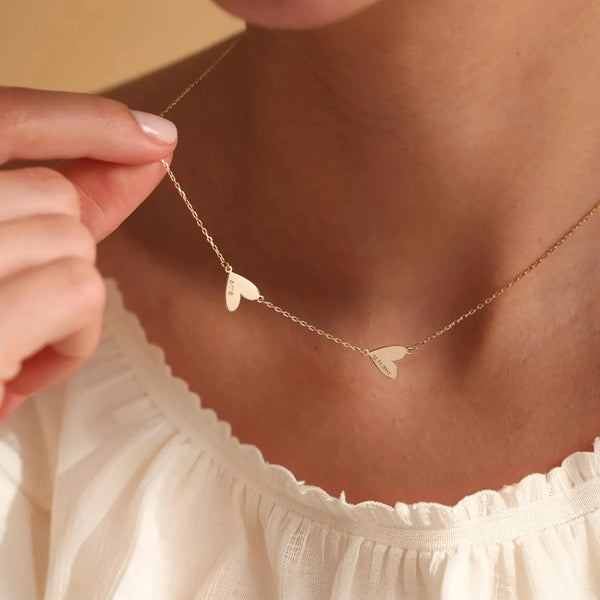
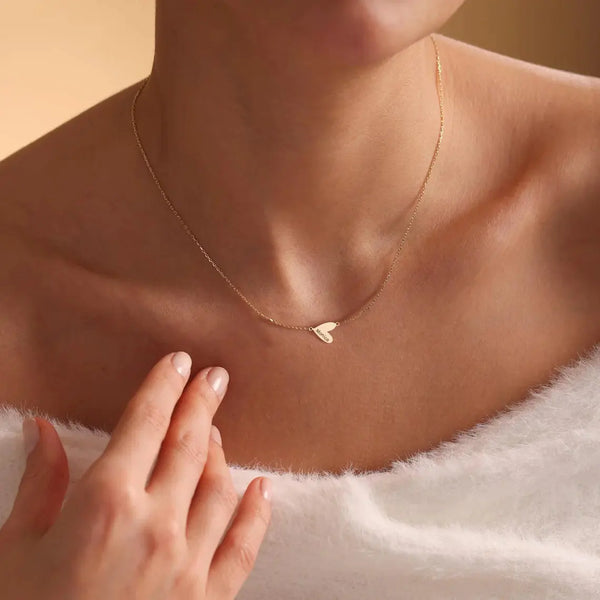
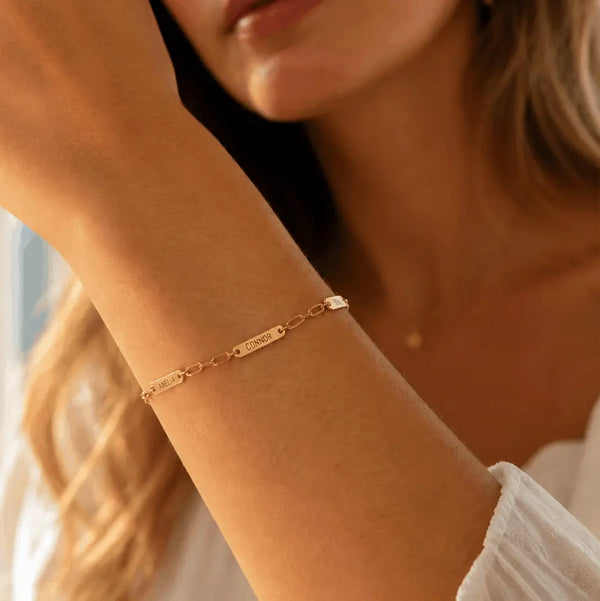
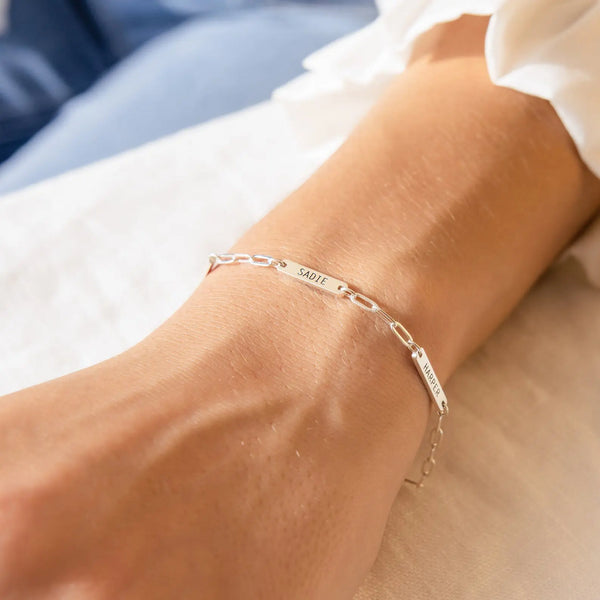
How to Care for Personalized Stainless Steel Jewelry
One of the reasons 316L stainless steel has become the standard base for personalized jewelry is simple: it's the most forgiving material. It doesn't tarnish like silver, doesn't bend like soft gold, and tolerates daily wear that destroys lesser metals within months.
But "forgiving" isn't "indestructible." A few small habits keep your pieces looking new for years instead of slowly dulling. This guide covers everything that actually matters — and skips the precious-metal advice that doesn't apply to stainless.
What makes 316L stainless steel different
316L (sometimes called surgical stainless or marine-grade) is the same alloy used in medical implants and watches. Three properties matter for jewelry:
- Corrosion resistance. It doesn't oxidize the way silver or copper-based metals do. Water, sweat, and humidity don't tarnish it.
- Hypoallergenic profile. 316L contains no nickel that leaches to the skin, making it safe for nearly all skin types.
- Hardness. The surface resists scratches better than soft gold or silver — engraved details stay crisp longer.
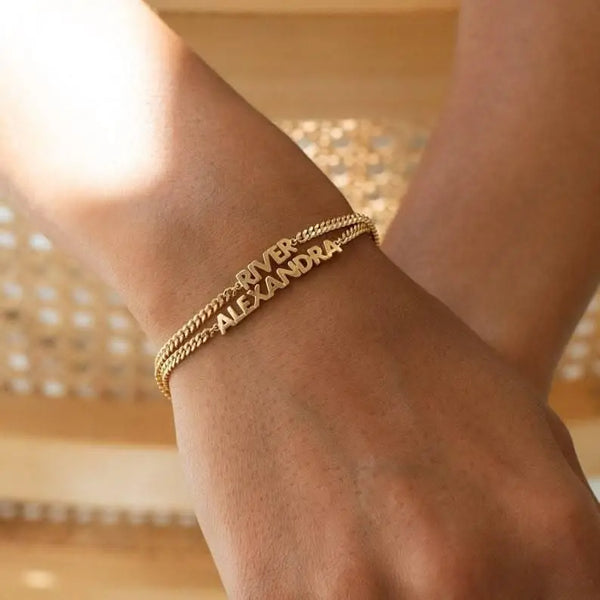
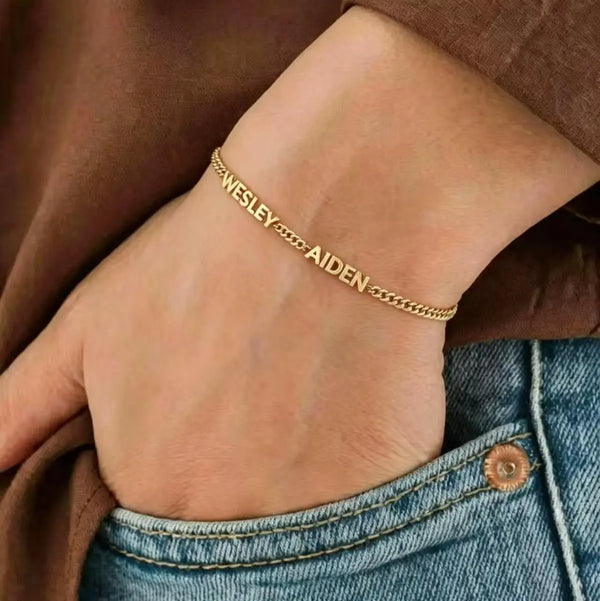
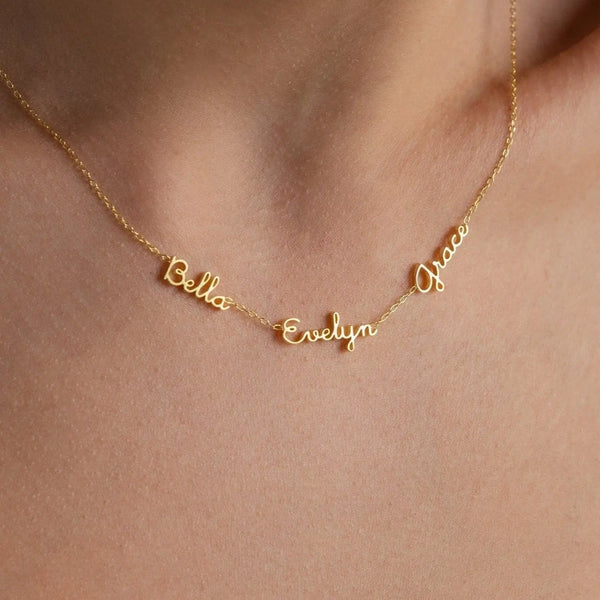
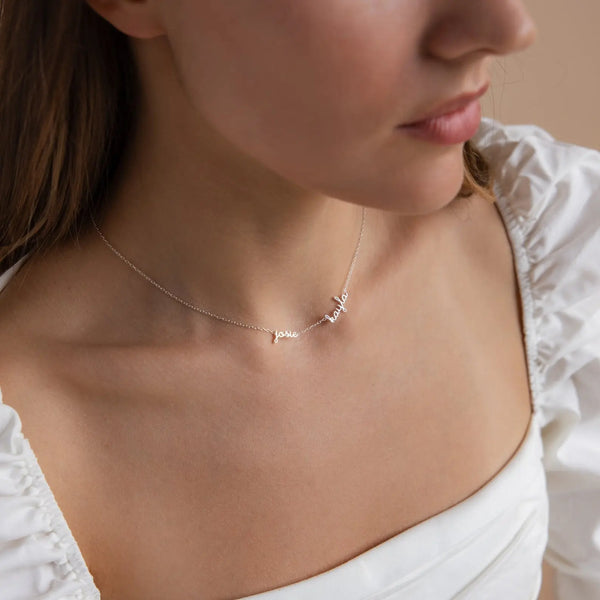
When stainless is plated in gold, rose gold, or silver tone (as most personalized pieces are), the plating sits over this durable base. PVD plating in particular bonds tightly and resists wear far better than traditional flash plating.

Daily wear: what's fine, what's not
Generally safe
- Showers and baths
- Hand washing and dishwashing
- Sweat from workouts
- Rain and incidental water exposure
- Swimming pools (chlorine is mild on PVD plating in short exposures)
- Sleeping in (no impact on durability)
Worth removing the piece for
- Saltwater swimming. Extended ocean exposure can degrade plating over time. Short dips are fine; long beach days are harder on the finish.
- Hot tubs. Concentrated chemicals over time affect plating brightness.
- Heavy gardening or manual work. Scratches happen even on hard surfaces.
- Lotion / perfume application. Spray and apply before putting on jewelry, not after.
The cleaning routine
Weekly (or as needed)
- Mix a few drops of mild dish soap into warm water.
- Soak the piece for 2–3 minutes.
- Gently brush with a soft toothbrush or microfiber cloth.
- Rinse with clean water.
- Pat dry with a soft cloth — don't rub aggressively.
For built-up dullness
If the finish looks dim despite regular cleaning, it's usually skin oils and lotion residue, not tarnish. A microfiber polishing cloth restores shine quickly. Avoid commercial silver polish on plated stainless — it can wear plating faster than oils ever would.
For engraved details
Engraving valleys collect residue over time. A soft-bristle toothbrush works through engraving cleanly. Don't use pointed tools (toothpicks, pins) — they can scratch the surface around the engraving.

Storage that protects the finish
- Separate pouches. Each piece in its own soft pouch prevents chain tangle and surface scratches.
- Lay flat where possible. Hanging fine chains long-term can stretch the smallest links. Lay bracelets and necklaces flat in a drawer or jewelry tray.
- Dry environment. Humidity affects plating over years, not days, but a small silica packet in your jewelry drawer extends finish life.
- Travel pouch with dividers. When traveling, individual compartments prevent the rub and tangle that creates micro-scratches.
Photo locket and projection charm care
Photo-based pieces add one cleaning step. Wipe the small lens or aperture with a microfiber cloth occasionally — fingerprint and lotion build-up dims the image. Don't try to open sealed charms; the seal protects the internal photo from moisture and light.
For more on photo pieces, see the photo jewelry collection.
Reading the signs of normal wear
Some changes are normal and don't indicate damage:
- Slight darkening in engraved grooves over time — natural patina, often considered character
- Microscopic surface scratches — invisible at arm's length, normal for any worn jewelry
- Brief dulling after sweaty workouts — restored with a quick wipe
Signs that warrant attention:
- Visible plating loss in patches — this suggests the piece may need re-plating or replacement
- Bent clasps or stretched chain — usually from snagging on clothing
- Stuck closures — typically lotion build-up; soak and brush gently
FAQ
Is stainless steel jewelry waterproof?
Yes for daily exposure — showers, sweat, rain, and pool water are fine. Long ocean swims gradually affect plating; remove before extended saltwater exposure.
Does stainless steel tarnish?
The 316L base does not tarnish. The PVD plating can dull slightly over years of heavy wear — a microfiber cloth restores shine. True tarnish (the black discoloration of silver) doesn't apply to stainless.
Can I wear stainless steel jewelry in the shower?
Yes — daily showers don't damage 316L stainless steel or PVD plating. Just dry the piece occasionally to avoid water spots on the surface.
How long does PVD plating last?
With normal daily wear, PVD plating maintains its color and shine for many years. Heavy exposure to harsh chemicals, abrasion, or saltwater shortens that lifespan.
What's the best way to clean engraving?
Warm soapy water and a soft-bristle toothbrush. Never use pointed metal tools or aggressive polish on engraved details.
Can I shower with photo locket jewelry?
Yes — the sealed charm protects the internal photo. Wipe the lens occasionally to keep the image bright.
One final principle
The pieces that last longest are the ones that get worn — handled, glanced at, occasionally cleaned — not the ones locked in drawers waiting for special occasions. Wear yours often. Browse the name jewelry collection, the pet jewelry collection, and the photo jewelry collection to find the next piece worth wearing daily.