Wedding Ring After a Spouse Dies: Options and Meanings
TL;DR
There's no right answer for what to do with your wedding ring after losing your spouse. Wear it, move it to the other hand, wear it on a chain, redesign it, or take it off entirely. Every option is valid, and you can change your mind more than once.
The ring is on your hand this morning like it's been for years. And at some point, maybe now, maybe in a year, maybe never, you'll be asked to decide what to do with it. Sometimes the question comes from a well-meaning friend. Sometimes it comes from you, in the quiet moment before you get dressed.
This guide walks through what widows and widowers actually do with wedding rings, what each choice tends to mean, and how to give yourself permission to make (and change) the decision on your own timeline.
There's No Rule
The first thing to know: there is no cultural rule that says when a widow or widower should stop wearing a wedding ring. Traditions vary by family, region, faith, and generation. Some cultures move the ring to the right hand immediately. Some remove it after a year. Some never remove it. Some remove and replace it with something new.
None of these are correct or incorrect. This is your ring, your marriage, and your grief. Ignore anyone who tells you what you should do with it.
The Common Options
Keep Wearing It as You Always Have
Many widows and widowers continue wearing the ring on the left hand indefinitely. This choice often signals: my marriage isn't over just because he's dead. Emotionally, the ring is still a marriage symbol.
Some people wear it this way for a year, five years, or the rest of their life. Some wear it until a specific inner shift happens (starting to date, feeling the ring has become uncomfortable, a milestone birthday). There's no external clock.
Move It to the Right Hand
A common midway option. The ring stays with you but signals a shift. In some European traditions, right-hand ring wearing is the default for widows. In American culture, it's a personal choice that often communicates: I'm still connected, but my marital status has changed.
Some people find this a helpful transition when they're not ready to remove the ring but ready to move it.
Wear It on a Chain
Slipping the ring onto a chain and wearing it around your neck is a widely chosen option. The ring stays close, but it's not visible in the way a ring on your hand is. It also stops the frequent question from strangers ("where's your husband?") that a visible wedding ring invites years after the loss.
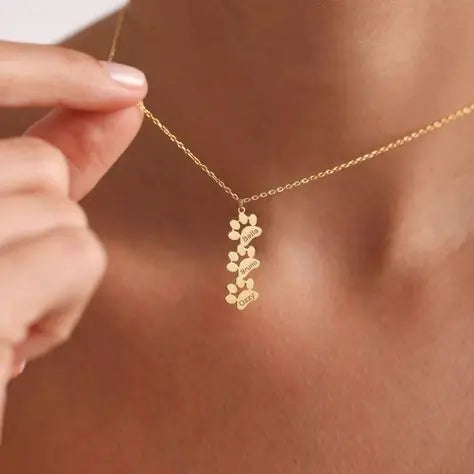
Some people combine this with a new small piece of memorial jewelry: a pendant with a name and dates, a small engraved bar, a bracelet with a signature. The ring on the chain becomes part of a private set of items you wear together. Our guide to memorial jewelry for widows and widowers covers pieces that tend to complement (not replace) a wedding ring worn this way.
Redesign It Into Something New
Some jewelers will melt down a wedding ring (or reset stones from it) into a new piece. A pendant with the original diamond. A bracelet incorporating the metal. A ring for an adult child using the stone.
Redesigning is a bigger step than moving the ring. It changes the object permanently. Some widows describe this as freeing — the ring becomes something they can wear differently, without the specific weight of it being the wedding ring. Others find it destroys a specific object that matters and would rather keep the ring as-is. Both are valid instincts.
If you're considering redesign, wait at least a year. Early grief judgment isn't always the judgment you'll have later.
Give It to a Child or Grandchild
Some widowed people pass the wedding ring to an adult child, either immediately or after some years. A daughter might wear her father's mother's ring at her own wedding. A son might carry his mother's ring for his own future wife. The ring stays in the family and moves forward in a meaningful way.
This choice tends to be right when you feel the ring has done its work in your own life and would mean more to someone in the next generation. It's not about giving up the marriage. It's about extending the ring's life.
Put It in a Safe Place, Unworn
Some people take the ring off and store it. In a jewelry box, in a safe deposit box, in a specific drawer. Not thrown away, not repurposed, just quiet. This can be the right choice when wearing the ring becomes emotionally heavy but removing it entirely from your life feels wrong.
The ring is there when you want it. You don't have to look at it every day.
Take It Off Entirely
Some widows and widowers remove the ring at some point and don't wear anything to replace it. This isn't a rejection of the marriage. Often it's a marker that a specific phase of grief has ended and a new phase of life is beginning.
Removing the ring can feel liberating for some and traumatic for others. If it feels traumatic, you're not ready yet, regardless of what anyone says. Put it back on. Try again later, if ever.
When Are You Ready to Change What You're Doing?
There's no test. Some rough signals that a shift might be coming:
- The ring starts to feel physically uncomfortable in a way it never did before.
- You catch yourself twisting it more than usual.
- You start dating and the ring feels dishonest, or protective, depending on the moment.
- A significant milestone (a year anniversary, moving houses, a big birthday) makes you want to mark a change.
- You feel a small quiet inner nod that says: it's time.
Or you might never feel that nod. Some widows wear the wedding ring for 40 years after losing their spouse. There's nothing to fix if that feels right.
What About Dating
Dating as a widow or widower is a whole other conversation, but the ring question intersects it. Some choices people make:
- Take the ring off before dates and put it back on at home.
- Move to a chain when dating starts, so it's no longer a hand-visible signal.
- Keep wearing the ring, tell partners honestly, and let them decide.
- Take the ring off permanently once dating becomes serious.
Different people have different reactions. A new partner may respect the ring, resent it, or accept it depending on their own relationship to loss. Have that conversation directly instead of guessing.
His Ring
You may also be holding his ring. Some options:
- Keep it in a box unworn.
- Wear it on a chain around your neck, often alongside your own.
- Wear it on your thumb or a different finger.
- Have it resized to fit your ring finger and wear it there.
- Give it to a child.
- Have it incorporated into a new piece: a pendant, a bar necklace, a bracelet setting.
His ring is often more emotionally charged than your own because he was wearing it at the end. Handle it slowly. There's no rush.
The ring is not a report card on your grief. Whatever you do or don't do with it is a private negotiation between you and your own heart, and it can change more than once.
Handling Family Opinions
You will get opinions. Some family members will feel strongly that you should keep wearing the ring "as a sign of respect." Others will urge you to take it off "so you can move on." Both come from love. Neither is your responsibility to accommodate.
A simple response: "I'll figure this out on my own time. Thank you for caring." Repeat as needed.
Adult children sometimes have particularly strong feelings about their parent's wedding ring. Try to hear their perspective but don't let it drive your choice. The ring belongs to you.
If You Remarry Later
Some widowed people remarry. What happens to the first wedding ring at that point is another personal decision. Common choices:
- Keep it in a box, unworn but preserved.
- Wear it on the other hand or on a chain.
- Have it redesigned into something that doesn't feel like a wedding ring anymore.
- Give it to a child from the first marriage.
A new marriage doesn't erase the first one. The ring can honor both.
If the Marriage Was Complicated
Not every marriage was happy. If you were in a hard marriage when your spouse died, or in the middle of hard years, the ring may carry complicated feelings. You may not want to wear it at all after the funeral. You may feel guilty about that.
Complicated grief is real grief. You do not owe the marriage a performance of unbroken devotion. If the ring feels heavy in a way that isn't tender, it's fine to take it off sooner rather than later.
When Other Grief Layers
If you are also grieving a parent, sibling, or another close loss, your relationship to the ring may shift with those layered griefs. Anniversaries collide. Old jewelry from other loved ones may take on new weight. Resources on sibling loss and grandparent loss may help you think about what you're carrying across multiple losses at once.
A Small Note on Timing
Whatever you decide, don't make a permanent change to the ring in the first year unless you're absolutely certain. Storing it is reversible. Wearing it on a chain is reversible. Melting it down is not. Save the irreversible choices for when your grief has settled enough that you can make them with a steadier hand.
The ring will wait for you. It has been waiting on your finger for years. It can wait a little longer in a drawer while you figure out what it should mean now.