Sibling Loss Anniversary: Meaningful Ways to Remember
TL;DR
Anniversaries of a sibling's death rarely get the recognition they deserve. Small rituals — a shared meal, a story swap, a piece of jewelry worn once a year, a solo walk in a place he loved — help mark a day the outside world tends to forget.
The date is coming. You've been half-tracking it for weeks, and now it's a week out and you're wondering what, if anything, you should do. Anniversaries of a sibling's death occupy a strange corner of the calendar. They're not public dates like a parent's death, they're not celebrated like a birthday, and most of the people around you probably don't remember them.
This guide is for the sibling who wants to mark the day meaningfully without making it heavier than it already is. There's no obligation to do anything. But if you want to, here are ways that tend to help.
Why the Anniversary Hits Differently Than You Expect
Anniversaries have a strange logic. Sometimes the fifth one is harder than the second. Sometimes the tenth one softens. Sometimes a random Tuesday in an unrelated month levels you and the actual anniversary passes quietly. Grief doesn't respect the calendar the way we assume it will.
What tends to be true: the days leading up to the anniversary are often harder than the day itself. This is called the anniversary reaction. Your body remembers before your mind does. You may find yourself irritable, sleeping poorly, or crying at unexpected things in the two weeks leading up to the date, and then feel unexpectedly steady on the actual day. This is normal.
Alone Rituals
Not every anniversary needs company. Solo rituals often go deeper because they don't require you to perform composure for anyone else.
The Walk
Go somewhere he liked, or somewhere he never went that he'd have loved. Walk without a podcast in your ears. Let your mind do whatever it does. Some of the most vivid memories of a person come back on a slow walk with no distractions.
The Letter
Write him a letter. Catch him up on the year. What's happening with your family. What you wish he could see. What's still unfair. You don't have to keep the letter — some people burn it, some put it in a shoebox that has last year's letter, some rip it up.
The Cook-His-Meal
Make something he loved to eat. Eat it slowly. Set the table properly if you want. There's something quietly powerful about tasting food that belonged to a shared history.
The Photo Look-Through
Sit with a stack of physical photos or a folder of digital ones. Not to cry through them — just to look. You'll see things you forgot: the way he stood, the shirt he wore forever, the smile that always predicted a joke.
The Object Ritual
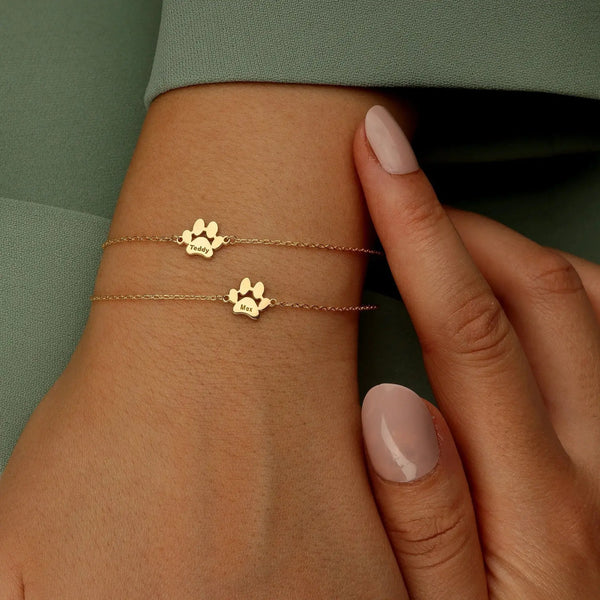
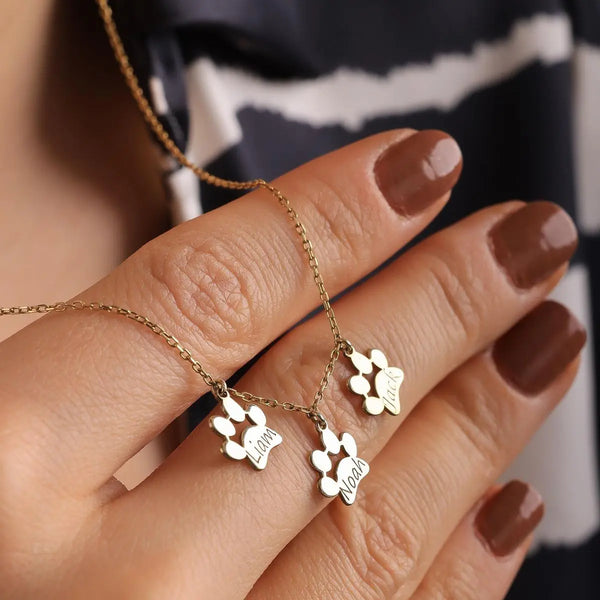
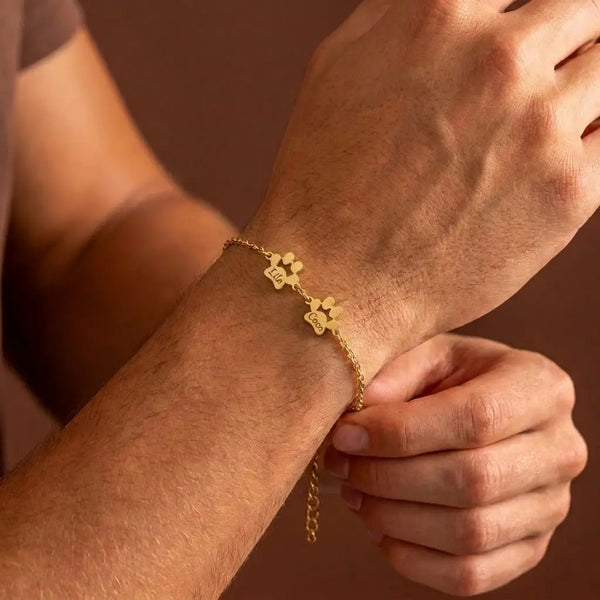
Some siblings mark the day by wearing something once a year. A bracelet engraved with his name and dates, a chain with his initial, a bar necklace with the years he lived. Some keep the piece in a drawer 364 days of the year and pull it out on this one. If this feels right for you, our overview of sibling memorial jewelry covers gentle options.
Family Rituals
If you have surviving siblings, or if your parents are still alive, family rituals can be beautiful and also complicated. Here are formats that tend to work.
The Meal
Gather at someone's house for dinner. Cook something he liked. Set a place for him if that feels right, or don't. Nobody has to give a speech. The point is that everyone who loved him is in one room, eating together.
The Story Round
Go around the table and each person shares one memory. It can be small. "I remember when he pretended he could speak French at that restaurant." These small stories are the fabric of who he was, and they get lost if nobody says them out loud.
The Charity Contribution
Some families donate to a cause he cared about on the anniversary, either individually or by pooling money. This can become a tradition that lasts decades and slowly reshapes the day from pure grief into something with forward motion.
The Get-Away
If the anniversary falls near a weekend, some families rent a cabin or drive to a place he loved. Being in a different physical setting can make grief easier to hold because you're not surrounded by the daily objects that remind you of his absence in painful ways.
Rituals With His Children
If your brother or sister left children behind, you have a unique role in their lives. On the anniversary, being present for them — as an aunt or uncle who knew him as a sibling, not just as their parent — matters.
- Take the kids for the day, especially if their surviving parent needs space.
- Tell them stories about him from when he was their age. This kind of story is priceless to a grieving child.
- Bring a small object of his that would mean something to them: a book, a jersey, a photo you framed.
What to Skip
Elaborate Public Displays
Social media memorials aren't wrong, but they often feel worse than they anticipate. You end up performing grief and then reading comments from people who don't really remember him, or forgetting to check the post later and feeling weird about it. If you want to share something publicly, keep it small. A single photo, a single sentence.
Trying to Make Grief "Meaningful"
You don't have to extract wisdom from the anniversary. You don't have to grow from it. The day can just be sad. That's a legitimate way to spend it.
Overloading the Day
Some people plan too much on the anniversary and end up exhausted. If you're doing a family meal, that might be the whole day. You don't have to also do a walk and a letter and a donation and a phone call to your mom.
If You're Estranged from Family
Not everyone can mark the day with family, either because you're estranged, geographically far, or because family gatherings around your sibling's death are toxic in your specific situation. Solo rituals are enough. Your grief is not less real because you're grieving alone.
Consider reaching out to one friend who knew him, even briefly. "Today is the anniversary. Just wanted one person outside my family to know." That single external witness matters.
If the Anniversary Falls Near Other Grief
Some people find their sibling's death falls near a spouse's, a parent's, or a child's loss. Multiple anniversaries in the same month can be brutal. A few strategies:
- Give each loss its own space. Don't try to combine them if they belong to different people.
- Alternatively, some families consolidate: one "remembrance weekend" that honors everyone lost, so that the emotional weight isn't spread across every weekend of the month.
- Ask for help. Even one text from a friend saying "I know this is a heavy season" makes an enormous difference.
If you're also caring for aging parents or a spouse in decline, resources on anticipatory grief may help you name the current weight. If a parent has also died, our guide to grandparent and parent loss may resonate with the compounded grief many adult siblings carry.
The purpose of an anniversary isn't to grieve harder. It's to give a day that already carries weight somewhere honest to rest.
Year One vs Year Ten
The first anniversary is often the hardest, in part because everything is still new and raw. Year two through five tend to soften slowly, though not linearly. Year ten and beyond, the day usually becomes gentler — a quiet inner nod rather than a wave that knocks you over.
What tends to persist is a private, ongoing conversation with him inside your own head. You'll catch yourself telling him things at 45, at 60, at 80. He becomes a permanent inner presence, and the anniversary is one of the days you say hello out loud.
A Small Note for the Person Approaching the Day
You don't have to be composed. You don't have to be productive. You don't have to make it meaningful. Whatever you do or don't do is enough.
Your sibling is not measuring your grief. You are the one keeping this appointment. Show up for it however you can, and let that be the whole of it.