What to Say to a Friend After a Miscarriage
TL;DR
Say her baby's name if she gave one. Acknowledge the loss directly. Skip the silver linings and the timelines. Show up in small, repeatable ways instead of one big gesture.
Most people freeze when a friend tells them she's miscarried. The instinct is to say something meaningful, and the fear is saying the wrong thing, so a lot of us end up saying nothing at all. That silence is often what stings the most, weeks or months later.
What follows is a practical guide written for the friend who wants to help but can't find the sentence. There is no perfect script. There is a difference, though, between words that comfort and words that quietly wound.
Start With the Simple Sentence
You don't need a paragraph. You need one honest line delivered without performance.
Try one of these:
- "I'm so sorry. I love you. I'm here."
- "I heard about the baby. I've been thinking about you all week."
- "There's nothing right to say. I just want you to know I know."
If she named the baby, use the name. "I'm so sorry about Noah" lands very differently than "I'm so sorry for your loss." Naming the child acknowledges that a real person existed, not an abstract event.
What to Skip, and Why
Some phrases feel warm to the speaker and cold to the person receiving them. The reason is usually that they minimize, redirect, or explain away the loss.
"At least it happened early."
A first-trimester loss isn't a smaller loss. She was already picturing a nursery, a name, a whole life. The grief tracks the imagined future, not the number of weeks.
"Everything happens for a reason."
This asks her to accept a spiritual framework she may not hold, in the worst possible moment. Even if she does hold it, hearing it from someone else can feel dismissive.
"You can always try again."
Future children do not replace this child. And she may not be able to try again. You don't know her fertility timeline, her marriage, her body, her fears.
"I know exactly how you feel."
Even if you've had a loss too, hers is its own. If you want to share your experience, ask first: "Would it help to know I've been through something similar, or is that not what you need right now?"
Show Up in Repeatable Small Ways
The first week after a miscarriage, casseroles arrive and texts flood in. By week three, most people have moved on and she's still bleeding, still crying in the shower, still avoiding the baby aisle at the grocery store.
Big single gestures matter less than small repeated ones. Consider:
- A Sunday text every week for a month. Not "how are you?" (which is exhausting to answer) but "thinking of you today. No need to reply."
- Dropping off dinner on the due date, if she shared it.
- Marking the anniversary in your calendar so you can send a message next year.
- Offering a specific favor instead of an open one: "I'm at Target Wednesday, can I grab anything?" is easier to say yes to than "let me know if you need anything."
If She Wants to Talk, Let Her Repeat Herself
Grieving people often tell the same story many times. The details, the ultrasound, the phone call from the doctor. This isn't oversharing. It's the mind trying to metabolize something too big to swallow in one bite.
Your job isn't to redirect her toward hope. It's to sit inside the story with her as many times as she needs to tell it. Nodding, asking one small question, refilling her tea. That's it. That's the whole assignment.
Presence is worth more than eloquence. You don't have to fix the unfixable. You have to prove you're not going anywhere.
A Note on Physical Gifts
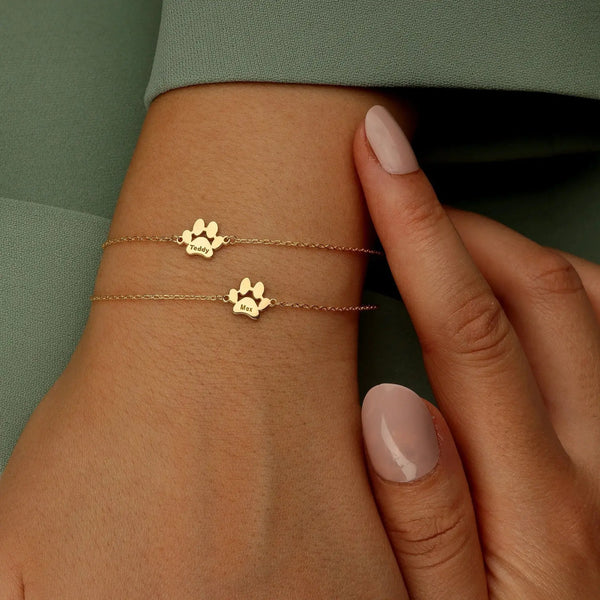
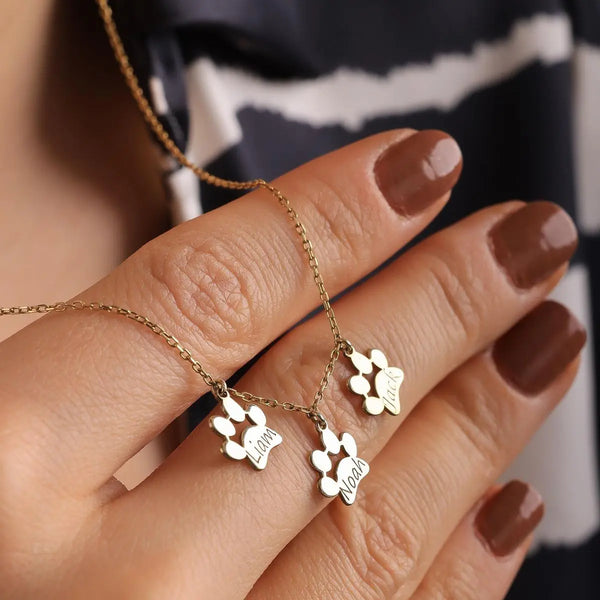
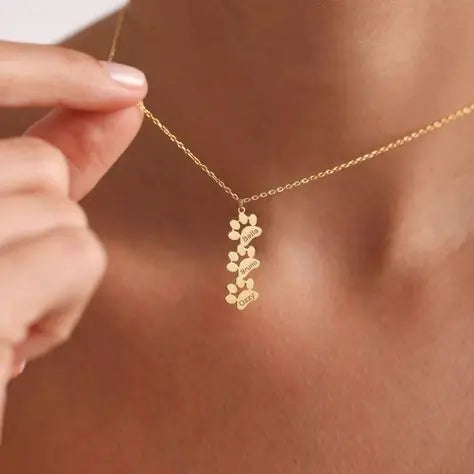
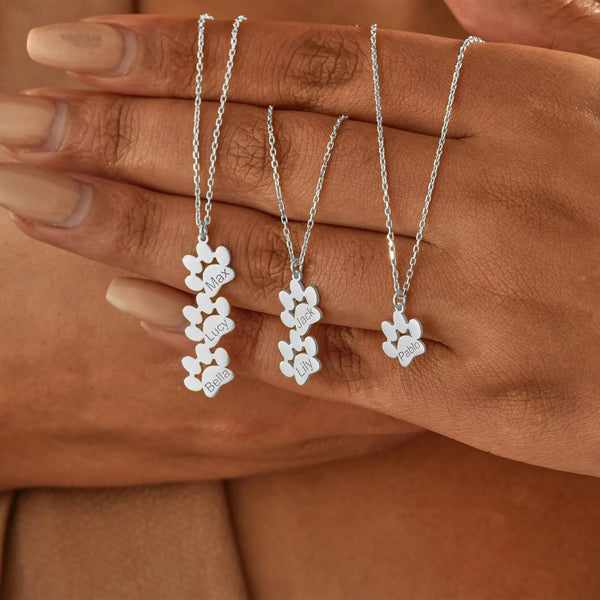
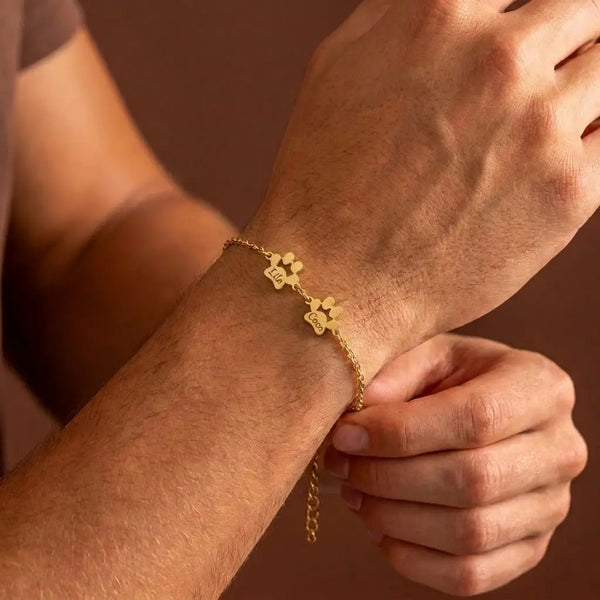
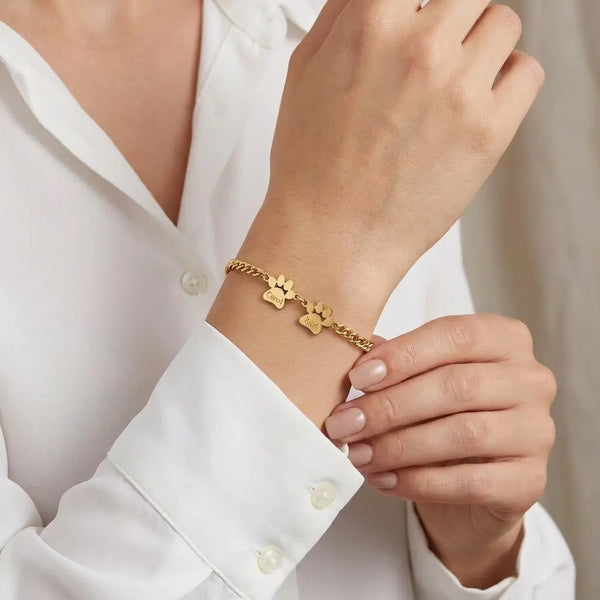
Some friends bring flowers. Some send a meal. A smaller number send something meant to last. If you want to send something more tangible, wait a few weeks and ask first. Some women find a piece of memorial jewelry, like an engraved name bracelet or a small bar necklace with a due date, quietly meaningful. Others find it painful. The only way to know is to gently ask what she'd want, or to wait until she brings it up herself. If you're not sure, our overview of memorial jewelry for pregnancy loss covers what tends to help and what doesn't.
The general principle: don't surprise her with something baby-related. Grief doesn't like ambushes.
If She Has Other Children
She might be parenting a toddler while grieving a pregnancy. That's exhausting in a way people who haven't lived it don't understand. She's holding grief and Cheerios at the same time.
Offer to take the older child for a few hours. Not for a whole day, not overnight, just a manageable window that gives her space to cry without also making lunch. This is one of the most useful things you can do.
If She Loses the Baby's Sibling Later, or Has Already Lost One
Pregnancy loss doesn't happen in a vacuum. She may already be carrying earlier losses, or the grief of a sibling or parent. Grief compounds. If you know she's also recently lost, say, a brother, don't pretend the losses are unrelated. It's okay to acknowledge that she's holding a lot. Some people find that resources on adult sibling loss or grandparent loss help them recognize how layered grief can be.
What If You Said the Wrong Thing Already?
You probably did. Most of us do. The good news is grieving people are generally more forgiving than we fear, especially if we come back and correct ourselves.
A repair sentence looks like: "I've been thinking about what I said when you told me. I said 'at least it was early' and I hate that I said that. I'm sorry. I know it wasn't small."
That kind of sentence often deepens a friendship instead of ending it. Silence, on the other hand, tends to leave a permanent gap. If you've been avoiding her because you feel embarrassed, come back. She noticed you disappeared, and she'll notice you returned.
The Long View
Miscarriage grief has a strange arc. It doesn't follow the shape of grief for someone the world knew. There's no funeral, no obituary, no coworkers bringing flowers. Often the only people who acknowledge the loss are the ones she personally told, and even they tend to forget quickly.
You can be the friend who remembers. That's a real gift. Add the due date to your calendar. Add the loss date. Send a small message on both, every year, forever. That kind of consistency is rare, and it will matter to her long after everyone else has moved on.
You are not going to say the perfect thing. You will fumble. You will sometimes overshoot into cheerfulness or undershoot into avoidance. Keep showing up anyway. That's the whole job.
Related reading
Frequently Asked Questions
Should I mention the baby by name?
Yes, if she named the baby and has shared the name with you. Using the name confirms that the child was real and that you took the loss seriously. If she hasn't shared a name, don't ask for one.
Is it okay to send a card weeks after the miscarriage?
Yes, and it's often more welcome than a card in the first week. The first days are crowded with support. The following weeks are lonelier, and a card that arrives then reminds her she hasn't been forgotten.
What if I'm currently pregnant and my friend just miscarried?
Acknowledge the awkwardness gently and privately. "I know my pregnancy might be hard for you right now. I love you, and I'll take your lead on how much I share." Then actually take her lead. Don't post ultrasound photos where she'll see them without warning.
Is a gift appropriate, and what kind?
A meal, flowers, or a handwritten note is almost always welcome. Anything more personal, like memorial jewelry or a keepsake, is best offered gently rather than surprised on her. Ask what she'd find comforting before ordering anything engraved.
How long does miscarriage grief last?
There's no timeline. Some women feel steadier in a few months, others carry active grief for years, especially around due dates and anniversaries. Assume she's still grieving longer than you'd expect, and you'll be right more often than wrong.