Photo Jewelry Compared: Photo Projection vs Engraved Locket vs Photo Charm (Which Preserves Memories Best)
Photo Jewelry Compared: Photo Projection vs Engraved Locket vs Photo Charm (Which Preserves Memories Best)
TL;DR
Three technologies dominate photo jewelry and they age very differently. Photo projection seals a microphotograph behind a tiny lens — invisible from outside, waterproof, essentially permanent, but not changeable. Engraved lockets keep a physical photo behind a hinged frame that you can open and swap, but paper fades and the seals age. Photo charms print the image on the surface, which reads visibly and lasts 2 to 7 years depending on print method. Choose projection for a private memorial worn daily, a locket if you want to change the photo later, or a charm if the photo is a celebration meant to be seen.
Three technologies dominate photo jewelry today, and they preserve an image in very different ways. Photo projection hides a real photograph behind a microscopic lens. An engraved locket keeps a physical photo behind glass. A photo charm prints or laser-etches the image directly onto the surface. Each one ages differently, protects the picture differently, and is right for a different kind of memory.
This piece walks through the mechanics of all three, what to expect after five and ten years of wear, and which one to choose for which kind of photo.
How each technology actually works
Photo projection is a modern descendant of the 19th-century Stanhope lens. A tiny cylindrical lens, usually 2-3 mm across, is embedded in the pendant. Behind it sits a microfilm-sized photograph, often just 1-2 mm on its longest side. When you hold the pendant to your eye and look through the lens toward a light source, the microphotograph is magnified into a full-resolution image. From the outside the pendant looks like a solid piece of jewelry. The photo is invisible unless you know it is there.
Engraved photo lockets are the classical solution. A hinged frame opens to reveal a small compartment with a piece of glass or resin protecting a printed photograph inside. Modern lockets often add a laser-engraved silhouette or portrait outline on the front of the closed case, so the image is present in two forms: literal (photo inside) and abstract (engraving outside).
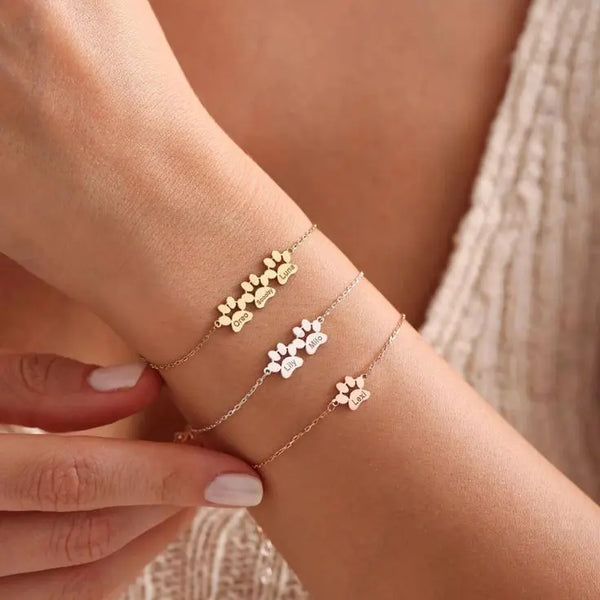
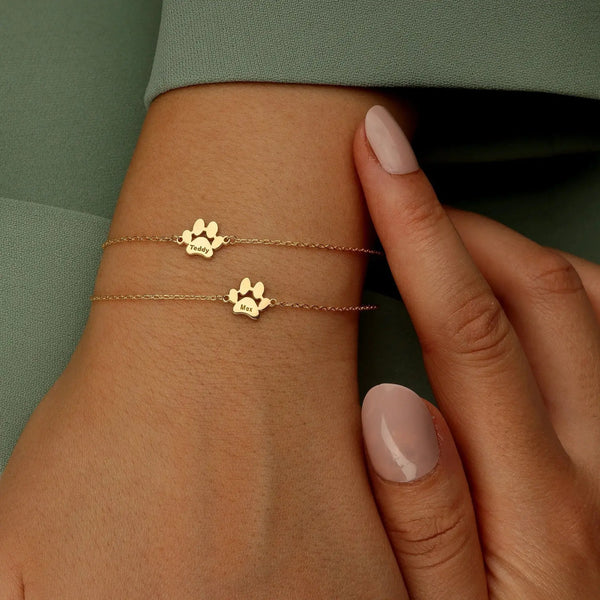
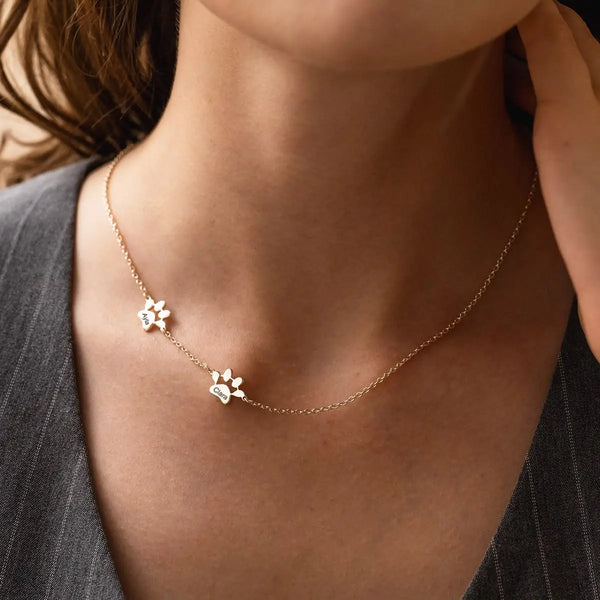
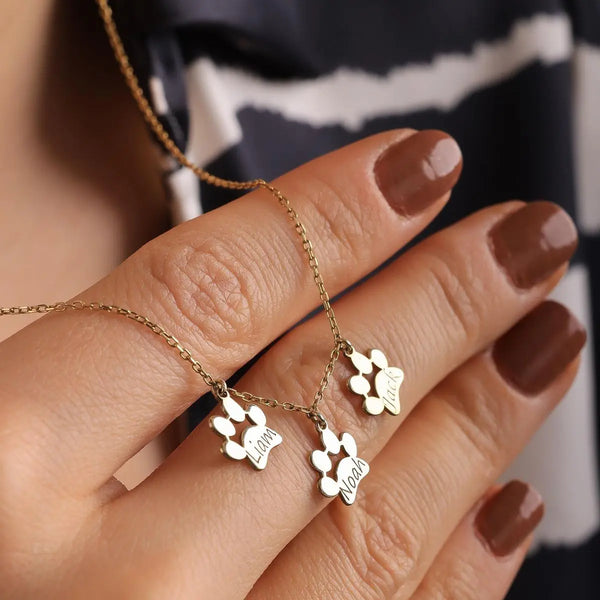
Photo charms print the image directly onto the outer surface of the pendant, usually by UV printing on a ceramic disc, sublimation on a coated metal plate, or laser dot-matrix etching on stainless steel. There is no compartment and no lens. The photo is the surface.

Image quality and detail
Each technology has a resolution ceiling.
Photo projection is technically capable of the highest fidelity, because the source microphotograph is developed film, and the lens preserves the full tonal range. In practice the perceived quality depends on the lighting behind the pendant. In good light the image is remarkably sharp, closer to a projected slide than to a printed photo. In low light the image dims until it is barely visible.
Engraved lockets deliver print-quality resolution, limited by how small the interior photo is trimmed. A 15 mm interior with a good printer produces a very readable image, especially for portraits.
Photo charms depend on the printing method. UV print on ceramic gives the closest match to a phone screen photo. Laser dot etching on steel produces a monochrome, dot-matrix result that looks intentionally artistic rather than photographic.
Water resistance and daily wear
| Technology | Shower | Sweat | Pool / salt water | Sleep in it |
|---|---|---|---|---|
| Photo projection | Yes (photo is sealed inside) | Yes | Fresh water yes, salt water rinse recommended | Yes |
| Engraved locket | Not recommended (seals age) | Yes if closed | No | Yes but locket may open |
| Photo charm | Yes if UV or laser | Yes | Fresh water yes | Yes |
Photo projection has the best water resistance because the microphotograph is embedded during manufacturing and there is no compartment to open. Traditional lockets are the weakest link on water: even a well-made hinge can let moisture reach the interior photo over time, and paper photos degrade quickly once damp.
Longevity: five and ten year outlook
Photo projection: with a stainless steel or PVD-plated pendant, the outer casing lasts as long as any other engraved piece (5-10 years of daily wear). The internal microphotograph is sealed and does not fade under normal conditions. The most common failure mode is scratching of the outer lens, which dims image clarity after several years of hard wear.
Engraved locket: outer engraving lasts as long as the plating (2-8 years depending on material, see our plating comparison). The interior photo, if paper, typically shows visible fading by year 3-5 and heavy fading by year 8-10, especially if the locket is opened often.
Photo charm: depends entirely on print technology. UV-printed ceramic tends to hold color for 5-7 years before UV fade becomes obvious. Sublimation on coated metal fades faster, often 2-3 years. Laser-etched images on stainless steel are essentially permanent because they are physically ablated into the metal.
Changing the photo later
This is often the deciding factor.
Engraved lockets are the only one of the three that allows easy photo replacement. You open the hinge, swap the paper insert, and close it again. If your relationship with the piece involves rotating photos (a grandchild growing up, a pet lineage, an updated family portrait), the locket is the correct answer.
Photo projection is not designed to be changed. The microphotograph is embedded during manufacturing. Replacement means sending the pendant back to the maker for a rebuild, which is possible but rare and typically expensive.
Photo charms are permanent. UV print and laser etching both fuse the image to the substrate. The only way to change the image is to replace the charm.
Size and discretion
Photo projection is by far the most discreet. From the outside the pendant is a solid piece of metal, and only the wearer knows the image is inside. This makes it the most common choice for memorial jewelry, where public grief is not always welcome.
Engraved lockets are the most visibly "photo jewelry." The classical shape signals the format from across the room, which is exactly why some buyers love them (a locket is a statement of remembrance) and why others avoid them.
Photo charms sit in between. A small disc with a printed portrait reads as personal but not obviously mournful, which works well for gifts and daily wear.
Price bands
| Technology | Entry | Mid | Premium |
|---|---|---|---|
| Photo projection | $45-70 | $70-110 | $110-180 |
| Engraved locket (stainless / plated) | $35-60 | $60-95 | $95-160 |
| Photo charm (UV / laser) | $25-45 | $45-75 | $75-120 |
Entry-price lockets often use paper photo inserts that the buyer prints and cuts themselves. Premium lockets use archival photo paper with UV coating.
Best use cases
Photo projection
Best for a memorial piece worn every day, where the image is a private thing between the wearer and the person or pet they lost. The invisibility of the photo is the point. It is also the best water-resistant option, which matters if the piece will be worn in the shower or during exercise.
Engraved locket
Best for keepsakes that will be updated over time (a child's baby photo replaced later by a school portrait) and for anyone who wants the physical ritual of opening the piece to see the image. Also the best choice for photos that already look like heirlooms (grayscale, sepia, formal portraits), because the closed case protects them from wear.
Photo charm
Best for daily-wear gifts where the image is meant to be seen, and where the recipient will happily wear the piece for two or three years before wanting a new one. Great for pet portraits, wedding photos, and anniversary gifts. Not the right choice if the same piece needs to be worn for a decade.

Decision tree
- If the photo is of someone you lost and the piece will be worn daily, choose photo projection.
- If you want to change the photo later, choose an engraved locket.
- If the photo is a celebration and you want it visible, choose a photo charm.
- If the piece will be exposed to water, choose photo projection or a laser-etched steel charm.
- If the recipient loves the classical locket aesthetic and will treat the piece carefully, choose a locket.
What none of them do well
All three are worst at extreme heat and at direct chemical exposure (perfume applied directly on the pendant, chlorine soak, oven cleaning). None of them survive being crushed. All three depend on the outer metal being genuine stainless steel or well-plated precious metal; a plated brass base will fail structurally long before the image inside fails.
The right piece is the one whose failure mode you can live with. Locket photos fade slowly. Photo charms fade or scratch. Photo projection dims if the outer lens scratches. Knowing the failure mode before you buy is the difference between a keepsake and a disappointment.
Frequently Asked Questions
Can I change the photo inside a photo projection pendant later?
Not easily. The microphotograph is embedded during manufacturing, so changing it means sending the pendant back for a rebuild — possible with the maker, but expensive and rare. If you want the option to swap the image (a growing grandchild, an updated family portrait), an engraved locket is the correct choice.
What kind of photo should I send for a photo projection or photo charm?
Send the highest resolution version you have, ideally the original file straight from a phone or camera rather than a screenshot or messenger download. High contrast photos with a clear subject (a face, a pet) reproduce best at microscale. For projection specifically, portraits and single-subject photos read better than wide group shots because detail compresses at that size.
Which style is best for a memorial piece worn daily?
Photo projection, in most cases. The image is invisible from outside, which means you carry the person or pet with you without having to explain it in every room you walk into. It also has the best water resistance of the three, so you can shower and sleep in it without opening any seals or exposing paper photos to moisture.
How long does the photo last inside each style?
Photo projection: essentially permanent as long as the outer lens isn't scratched heavily (5 to 10+ years of daily wear). Engraved locket paper photos: visible fading by year 3 to 5, heavy fading by year 8 to 10, especially if opened often. Photo charms: 5 to 7 years for UV-printed ceramic, 2 to 3 years for sublimation, essentially permanent for laser-etched steel.
Can I preview what the photo will look like before you make the piece?
Yes on the photo projection and photo charm pieces. Upload the photo at checkout or send it in the order notes, and we send a preview by email before we build the piece. This is especially useful for old photos, blurry photos, or photos where the crop matters. Every piece is 316L stainless steel with PVD plating where applicable, hand-finished, and shipped in brand-neutral gift packaging.