Is PVD Plating Safe for Sensitive Skin? Nickel Guide
TL;DR
PVD coating is one of the most hypoallergenic finishes in jewelry because it forms a dense, chemically inert barrier over the base metal — including any nickel underneath. The safety depends on the coating staying intact. On a 316L base with a proper PVD layer, sensitive-skin reactions are rare.
What PVD actually does at the surface
Physical Vapor Deposition (PVD) coats metal by vaporizing a target material — titanium nitride, zirconium nitride, chromium, gold — in a vacuum chamber, then depositing that vapor as a molecularly thin, atomically dense film on the base metal. The result is a coating a few microns thick that behaves chemically like the coating material, not the base underneath.
For sensitive skin, that behavior is the whole point. If the coating covers the base fully, the wearer's skin does not touch the alloy underneath. It touches the titanium nitride, or the gold, or whichever PVD material was used. Those materials are chemically inert on skin.
The nickel question
Nickel allergy is the single most common metal allergy in the world. Roughly 10-15% of women and 2-4% of men test positive for nickel sensitivity on patch tests. The reaction (contact dermatitis) develops from repeated exposure to free nickel released by direct skin contact with nickel-bearing alloys.
Where nickel lives in jewelry
- Sterling silver: None (silver is alloyed with copper, not nickel).
- 316L stainless steel: Around 10-14% nickel by composition, but very low free nickel release because of the passive chromium oxide layer.
- 304 stainless steel: Around 8% nickel, higher free nickel release than 316L.
- Gold-plated brass or nickel-plated fashion jewelry: Often very high free nickel release, particularly as the plating wears through.
- 18K gold: Usually contains no nickel (though white gold historically did before EU regulation).
How PVD interrupts nickel exposure
A PVD coating creates a barrier the nickel physically cannot cross. It cannot leach through a proper PVD layer because the coating is denser and more chemically stable than the base alloy. This is why PVD-coated jewelry is often marketed as hypoallergenic even when the base metal contains nickel.
The catch is durability. If the PVD coating scratches through to expose the base metal, the barrier is broken at that point, and skin can contact the alloy directly. On a 316L base this is still low-risk because 316L is well tolerated by most people. On a cheap base metal — brass, zinc alloy — the exposure risk climbs sharply.
What "hypoallergenic" really means in jewelry marketing
Hypoallergenic is not a regulated jewelry term in the US or most other markets. It is a claim, not a certification. What buyers should look for instead:
- Base metal specified: "316L stainless steel with PVD coating" is a real spec. "Hypoallergenic metal" alone is not.
- EU nickel release standard: The EU limits nickel release from jewelry in prolonged skin contact to 0.5 μg/cm²/week. Reputable manufacturers selling into the EU test to this standard, and it applies whether or not the piece is coated.
- No mention of "nickel-free plating" alone: Some cheaper pieces are nickel-plated over a nickel-containing base, then finished with a thin gold flash. The gold layer is nickel-free technically, but wears through fast.
Our deeper explainer on PVD coating chemistry and durability covers exactly what happens at the surface and how coating specifications translate into wear performance.
How reactive is your skin? A practical test
If you have never done a patch test with a dermatologist, three at-home signals suggest metal sensitivity:
- Costume jewelry causes redness or itching where it touches.
- The back of a jean button leaves a green or reddish ring on your skin.
- Cheap earrings cause soreness within a day or two.
If two or more apply, you likely react to free nickel. PVD-coated jewelry on a 316L base is a good match. Sterling silver is another good match. Gold plated over brass without PVD is a poor match.
Common sensitive-skin scenarios and best-fit options
| Skin situation | Best-fit metal | What to avoid |
|---|---|---|
| Confirmed nickel allergy | PVD-coated 316L, sterling silver, solid 14K/18K gold, titanium | Costume jewelry, cheap gold plating, unlabeled "alloy" |
| Mild sensitivity, unclear cause | PVD-coated 316L, sterling silver | 200-series stainless, brass-based fashion pieces |
| No known sensitivity, wants durability | 316L stainless, PVD-coated pieces | Nothing specific |
| Reacts to sterling with green marks | PVD-coated 316L (avoids copper too) | Sterling silver, brass |
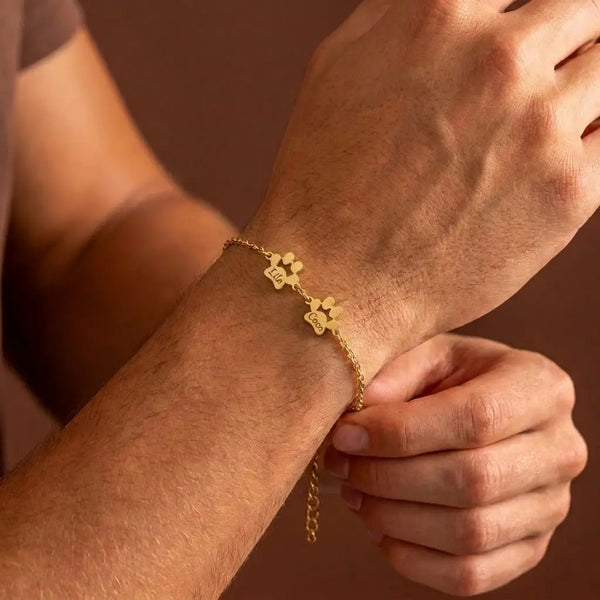
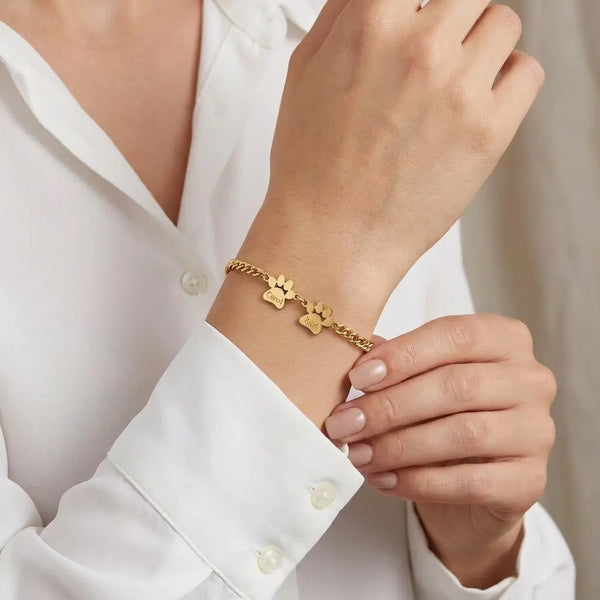
| Wants gold-look without triggering allergy | PVD gold on 316L, gold vermeil on sterling | Gold-plated brass without PVD |
What can still go wrong with PVD on sensitive skin
Damaged coating
Deep scratches from keys, gym equipment, or aggressive cleaning can expose the base metal. Once exposure happens at a specific spot, the wearer's skin can react at that spot. Regular visual inspection catches this early.
Low-quality coating
Not all PVD is the same. Coating thickness varies from around 0.3 microns (thin, decorative) to over 2 microns (thick, functional). Cheaper PVD lines run thin coatings that wear through in months. Serious jewelry PVD sits at 1-2+ microns.
Bad base metal choice
PVD over zinc alloy or unspecified pot metal creates a barrier that lasts only as long as the coating is perfect. When it breaches, the underlying alloy can be aggressive on skin. PVD over 316L is the combination that makes sensitivity a non-issue in practice.
PVD versus other sensitive-skin options
Sterling silver
Nickel-free, so safe for nickel-sensitive skin. But copper in sterling can cause green marks and, rarely, copper sensitivity reactions. Sterling also tarnishes, requiring maintenance.
Solid gold (14K and up)
Almost always safe for sensitive skin, but expensive. 14K contains around 58% gold plus alloying metals; 18K contains around 75% gold. Modern gold jewelry has phased out nickel in most markets.
Titanium
Fully hypoallergenic and used for medical implants. Rare in personalized jewelry outside of wedding bands because it is difficult to work and engrave.
Traditional gold plating
Similar barrier concept as PVD but the plating is applied by electroplating, is thinner, less dense, and wears through faster. Our PVD gold vs gold vermeil comparison explains the differences with wear-test data.
The buying rule for sensitive skin
Ask for the base metal and the coating spec. "316L stainless with PVD gold, 1-2 micron thickness" is a specific, verifiable answer. "Hypoallergenic gold jewelry" is not. Personalized pieces add another consideration — the engraving method can create micro-cracks in a coating if applied poorly. See hand vs laser engraving for how technique interacts with coating integrity.
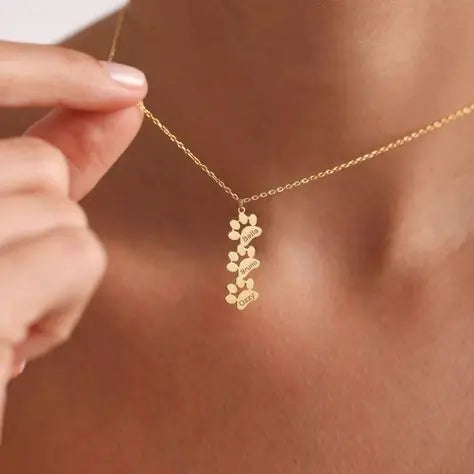
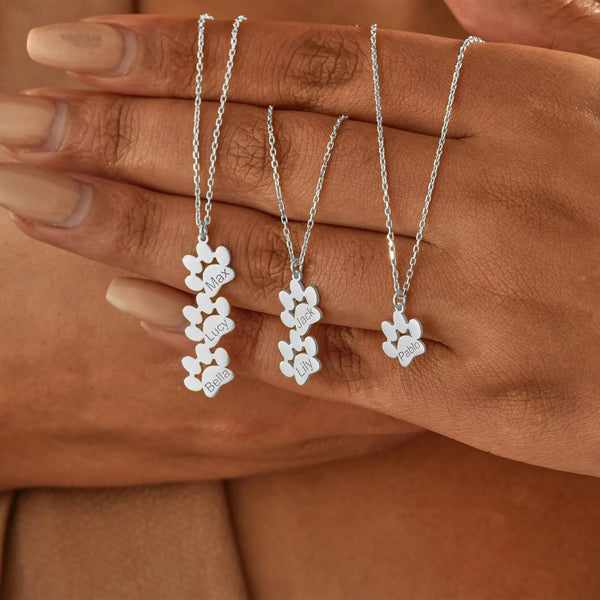
For most sensitive-skin buyers, a properly specified PVD-coated 316L piece removes the day-to-day worry. It is inert against skin, it does not tarnish, and the base alloy is well tolerated even where the coating is thinnest. That combination is why PVD has become the default for personalized jewelry brands serving allergy-prone buyers.