Legacy Projects for Terminal Illness: Capturing Memories
TL;DR
Legacy projects capture a dying loved one's voice, stories, and presence while there's still time. The best ones feel like living, not like preparation for death — recorded conversations, letters to grandchildren, family recipes documented together, small keepsakes with handwriting or fingerprints preserved.
You know time is running out. Somewhere in the middle of the daily caregiving, appointments, and difficult conversations, you keep thinking: I should record his voice, I should write down her stories, I should ask him about that summer in Michigan while he still remembers it. And then the moment passes, and the next visit becomes about medication and meals, and the recording never happens.
Legacy projects are a way of holding onto what would otherwise slip away. They aren't morbid. They aren't giving up. Done gently, they can be some of the most meaningful time a family spends together in the last months of a life. This guide walks through practical, human-scale legacy projects, how to bring them up without making them heavy, and what tends to matter most later.
Why Legacy Projects Matter More Than You Think
After a death, families often realize how few recordings of the person's voice they have. How few photos in which he's really talking. How many stories he told that nobody wrote down. The daily texture of a person disappears faster than we expect.
Grief researchers sometimes call this the "missing archive" problem. Grieving people want to reach for the details — how she laughed, the specific way he pronounced a word, the story about their first apartment — and often find nothing preserved. Legacy projects fill this archive while it can still be filled.
They also give the dying person something to do with their remaining energy that isn't about being sick. That matters. Illness has a way of dominating identity. Being asked to tell a story, sign a card for a grandchild not yet born, or record a message about your wedding day gives back a piece of the whole person underneath the diagnosis.
How to Introduce a Legacy Project Without Making It Heavy
Don't frame it as "before you die." That lands hard. Frame it as ordinary curiosity.
- "I want to record you telling the story of how you and Mom met. I don't have it anywhere and I want to."
- "Would you help me write down Grandma's recipe? I keep making it wrong."
- "Emma is going to be curious about you when she's older. Would you write her a letter?"
Ask for one thing at a time. Don't present a list of ten legacy projects at once. It'll feel overwhelming and clinical.
Read energy carefully. Some days he'll be up for it. Some days he'll want to sit quietly. If he says no, don't push. There will be another day. And if there isn't, the fact that you asked was still meaningful.
Legacy Project Ideas That Actually Get Done
Recorded Conversations
Get a decent recorder or use a phone. Ask him a question and let him talk. Sit with him for 20 minutes, not two hours. Some questions that tend to work:
- "What's your earliest memory?"
- "Tell me about your best friend when you were 10."
- "What's the story of how you met Mom?"
- "What was your first job like?"
- "What's something you're proud of that you never tell anyone?"
- "What advice would you give a young version of yourself?"
StoryCorps has a free question list called "The Great Questions" that's excellent. You can also use the StoryCorps app to record and archive the conversations.
Letters to People Not Yet Born
Ask him to write letters for future grandchildren, future spouses, or future life milestones. "A letter to your grandson on his wedding day." "A letter to Emma when she turns 18." "A letter to my son if he becomes a father." These become extraordinary gifts twenty years from now.
If he can't write, he can dictate to you, or you can record him speaking the letter.
The Family Recipe Session
Cook a signature dish together. Take photos of each step. Have him narrate what his mother did that he still remembers. Write it down properly, with the intangible parts included: "cook until it smells done," "a spoonful, but a Portuguese one." These recipes almost always die with the cook if nobody captures them.
The Handwriting Sample
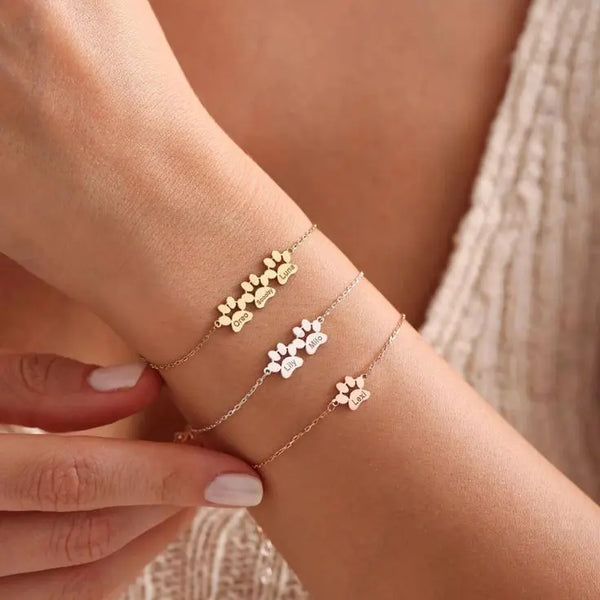
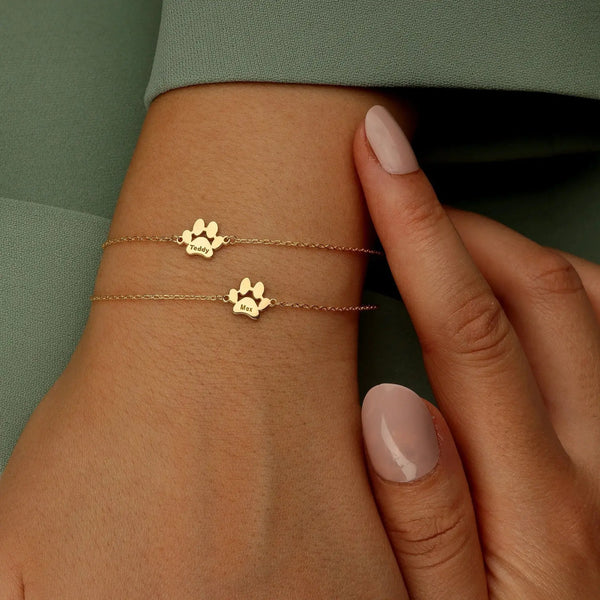
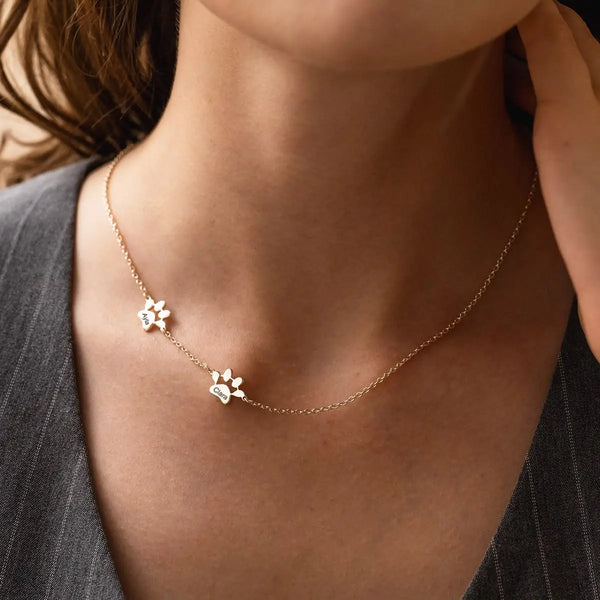
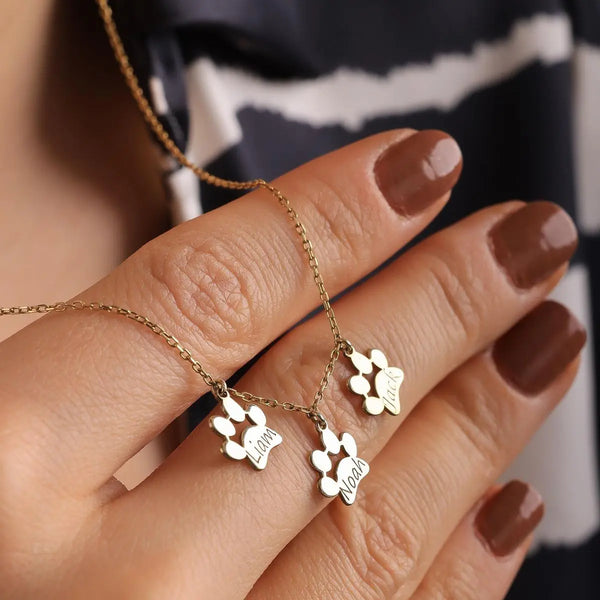
Ask him to write a phrase he loves. His signature. A short line from a favorite song. A single word — "love," "family," your name. Take a clean photo of it. This becomes something you can look at forever, or turn into something more permanent: a bracelet engraved with his handwriting, a necklace with his signature. These sorts of keepsakes exist and matter to some families more than they expected. Our guide to legacy keepsakes for anticipatory grief covers what tends to help.
The Fingerprint or Palm Print
A small ink pad and a piece of good paper. His fingerprint, his palm print. These are surprisingly moving to hold years later. Some families incorporate them into memorial jewelry (a bar or pendant with the print pressed in), others simply frame the paper.
The Video Message for a Future Moment
A short video greeting for a grandchild's graduation, wedding, or eighteenth birthday. Kept in a family folder and shown at the appropriate time years later. Nothing elaborate. A minute or two of him looking at the camera and saying something loving.
The Playlist
Ask him for his top 20 songs. The songs that shaped him. The songs that were playing at big moments. This becomes a soundtrack of his life. His grandchildren will play it thirty years from now and hear who he was.
The Photo Session, His Way
Not a stiff formal portrait. Photos of his hands. His workbench. The pocket of his favorite shirt. His reading glasses. The doorknob of the house he raised his kids in. Sensory details of his life. These photos will carry weight for decades.
The Ethical Will
An ethical will isn't a legal document. It's a written statement of the values, lessons, and hopes he wants to leave behind. Some are one page, some are twenty. Most people never write one because they don't know it's a thing. If he's up for it, this can be a profoundly meaningful project — sometimes done in small sessions over weeks.
What About the Person Who Doesn't Want to Do Any of This
Some dying people don't want to participate in legacy projects. They're tired, they don't want to feel like they're being memorialized, or it's simply not their personality. Respect that.
You can still preserve things quietly. Photos taken casually during visits. Voicemails you don't delete. Cards he signs at Christmas. His handwriting on a grocery list. These small daily artifacts are their own kind of archive.
Don't force a legacy project. The point is capturing his presence, not extracting content.
Doing It Together vs Doing It Yourself
Some projects are collaborative — recorded conversations, letters he writes. Some are things you do to preserve him without asking him. Both are valid.
Solo projects worth considering:
- Writing down the stories you remember him telling.
- Filming him doing ordinary things without making it a production. Him laughing during a card game. Him eating cereal at the kitchen table.
- Interviewing his siblings, friends, and old coworkers about him for a family archive.
Some of these you can only do while he's alive. Others you can do after. Both matter.
The most meaningful legacy projects aren't grand. They're small, specific, and ordinary. His voice on a recording, his handwriting on a card, his laugh caught on a phone video. These become priceless the day he's gone.
For Children and Grandchildren
Kids often become the primary audience for legacy projects later. Consider:
- A short book he narrates the story of his life to, that grandchildren can read when they're older.
- A photo he takes with each grandchild, doing something specific: teaching one to fish, sitting with one on the porch, reading to one.
- A voice recording of him reading a bedtime story that a grandchild can listen to years later.
These become touchstones for children who will otherwise mostly know their grandparent through photos and other people's stories.
The Emotional Load of Doing This
Legacy projects are meaningful, but they're also heavy. Doing them means sitting with the fact that time is finite. Give yourself space to feel that. Don't try to be a documentarian and a grieving family member at the same time all day. Do one project at a time. Take breaks. Cry in the car if you need to.
If you're doing this while also managing other grief — a sibling gone earlier, a parent already lost — the compounded emotional weight is real. Resources on sibling loss and grandparent loss may help you name the layered feelings that come up during this kind of preservation work.
After the Death
Legacy projects continue after death, in a different form. You may find yourself organizing what you gathered. Making the video into something watchable. Turning the handwriting into a keepsake. Sharing recordings with siblings.
Don't rush this. Some of the archive won't feel usable for a year or more. You may not be able to listen to his voice for a while. That's okay. The archive will wait.
What you preserved is not going anywhere. And on some Sunday in five years, you'll pull up a recording you're glad you made, and hear him tell a story you'd nearly forgotten. That will be the moment the project reveals what it was really for.
Related reading
Frequently Asked Questions
What if my loved one is too weak to participate?
Focus on what's possible in short bursts. A five-minute recording. A single letter. A photo. Even small artifacts are enormously valuable later. If he's non-verbal, capture his environment: his hands, his room, his familiar objects.
How do I record without making him self-conscious?
Set up the recorder before he arrives in the conversation, not after. Or use your phone in a natural spot on the table. Sometimes just asking a question casually and letting a phone record on the side works better than announcing you're doing a formal recording.
Is it okay to ask hard questions about his life?
Yes, if he's open to it. Some dying people want to talk about regrets, mistakes, or hard chapters. Some don't. Ask gentle open questions and let him steer.
Should legacy projects include practical instructions, like where the will is?
Ideally yes, but keep them separate from the emotional projects. A practical folder — passwords, will location, key contacts — is important and should not be mixed with legacy conversations that are meant to be personal.
What if I start a project and he dies before we finish?
What you gathered is still meaningful. An unfinished project isn't a failure. Sometimes half a recording is the most treasured thing you have.
What do I do with the archive once he's gone?
Store it in multiple places (cloud backup and physical). Share copies with family members who'd want them. Consider making small physical versions — a printed booklet, a bracelet with his handwriting, a framed print — to keep pieces accessible in daily life instead of buried in a folder you don't open.